Loading titles…
Documentary / History
Through abrupt soundtrack shifts, this short film jumps between historical political imagery to explore the cinematic language of propaganda, unpacking complex concepts through sensory explosions — from the Brazilian military dictatorship to the Chinese revolution.


Mao Zedong
Newton Cruz

Zhou Enlai



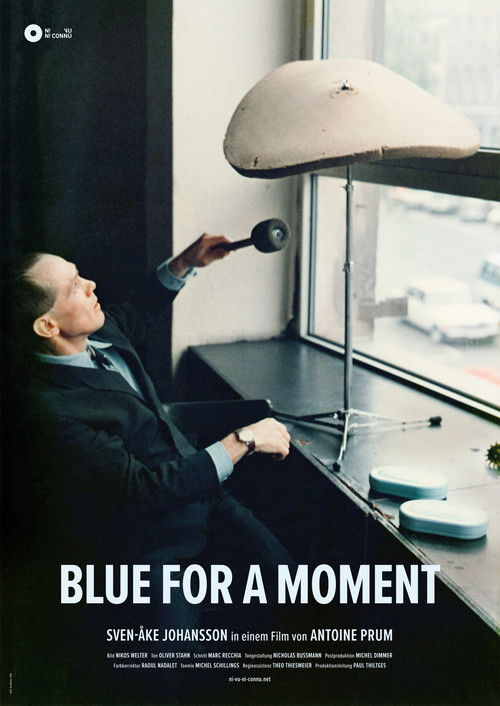
Blue for a Moment is a documentary portrait of Swedish-born, Berlin-based musician Sven-Åke Johansson, a key figure in European improvised and experimental music. Active as a jazz drummer, composer, poet and visual artist, Johansson has spent decades challenging artistic conventions and genre boundaries. Born in 1943, he moved to Berlin in the late 1960s and became involved in the city’s experimental scene, including the Zodiak Free Arts Lab. During the 1970s and 1980s he played an important role in the West Berlin free jazz movement around the FMP/SÅJ label, collaborating with musicians such as Alexander von Schlippenbach and Rüdiger Carl. Influenced by Fluxus and modernist traditions, Johansson developed a distinctive approach based on noise, reduction and the use of everyday materials, anticipating the Echtzeitmusik scene that emerged in Berlin after 1990. The film explores his creative process, artistic philosophy and lasting impact on contemporary experimental music.
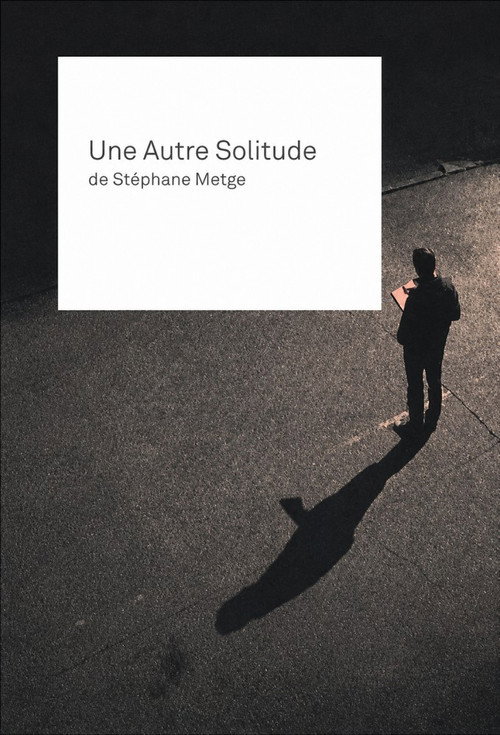
A look at the entire process of creating and developing Patrice Chéreau’s third staging of "In the Solitude of Cotton Fields" by Bernard Marie Koltès with Pascal Greggory and Chéreau himself. From the first reading around the table through the first contact with the performance space, rehearsals and lighting to opening night, the entire creative process unfurls in front of our eyes. The film shows us the evolving and ongoing dialogue between Greggory and Chéreau, a dialogue full of crises and magical moments of harmony and insight via which the truth, intensity, complexity, mystery and depth of Koltès’ text gradually emerge to form an implicit bond between these two men. The film also shows Chéreau directing rehearsals for Mozart’s "Don Giovanni" in Salzburg, revealing both the unity of and profound differences between his opera and theater work.