

Loading titles…
Documentary
Dadaab: The largest refugee camps in the world. Situated in Northeastern Kenya, it accommodates approximately 500,000 refugees, mostly from Somalia. A great number of these people have lived there most of their lives, trying to survive in congested and seemingly hopeless…
No cast information available.

The Perfect Story offers a riveting, intimate look at the ethical and moral challenges sparked by the relationship between a foreign correspondent and a young Somali refugee. By revealing the boundaries of journalism and filmmaking, the film questions what stories are told, why, and who gets to tell them.
Takes place in the Saharawi refugee camps in Algeria against the historical backdrop of Spanish colonialism and the Moroccan invasion of the Western Sahara. The Saharawi women, who make up 80% of the adult refugee population, provide a powerful voice as they reveal how they came to assume primary responsibility for the survival of the remains of their families and in turn the entire refugee population.


The fate of thousands of people is unified under the tarpaulins of the refugee camps in Kobanê and in Shingal. Kurdish filmmaker Bahman Ghobadi has given eight children the opportunity to use a camera to tell their own stories. Each film gives us a glimpse into the plight of the children, as seen through their own eyes. Their stories tell of young people with their whole lives ahead of them, though they’ve already lost almost everything. At a certain point, the film crew leaves the camp and follows the 13-year-old Mahmod and his sister in the search for his parent‘s house in Kobanê. The town has been ravaged by the war and all the children find is rubble. The eight films reveal the courage and openness of the young filmmakers, who share their stories with great intensity, realism and poetry, despite their harsh fate.

An intimate, and often humorous, portrait of three generations of exile in the refugee camp of Ein el-Helweh, in southern Lebanon. Based on a wealth of personal recordings, family archives, and historical footage, the film is a sensitive, and illuminating study of belonging, friendship, and family in the lives of those for whom dispossession is the norm, and yearning their daily lives.


Milena, a young woman from Ukraine, who along with her mother and grandmother (and cat), desperately struggle to escape their war- torn home while an army of supporters on the opposite side of the world fight to keep them safe. Milena survived the destruction of Mariupol, cowering for a month in the basement of a bombed-out building, watching her home and history burn. She managed to contact Ken Pontac, long-time Facebook friend and father figure. Their conversations bolstered Milena's spirits while Ken listened with growing apprehension.
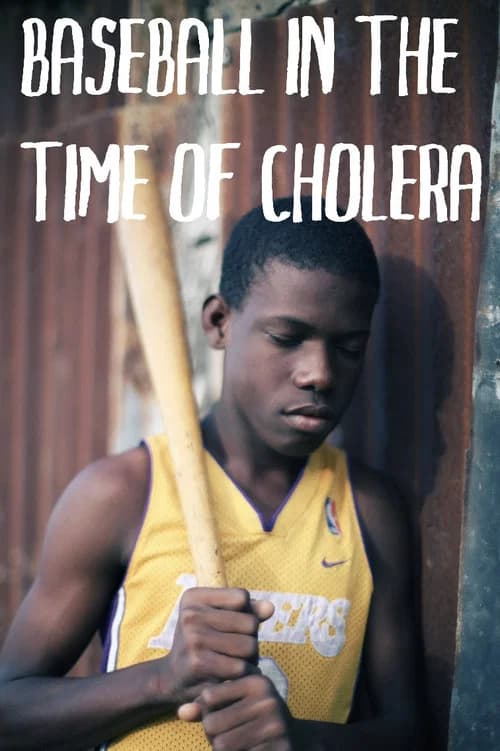
As a Cholera epidemic rages in Haiti, the United Nations denies it is responsible for introducing the disease despite glaring evidence suggesting Nepalese peacekeepers are to blame. Baseball in the Time of Cholera is the story of a young Haitian boy who plays in Haiti's first little league baseball team and the Haitian Lawyer seeking justice against the UN. As the epidemic spreads, the two stories intersect in the struggle for survival and justice.
