Loading titles…
Documentary
Where We Belong is a short documentary film on the Chagossian community who were forcibly driven out of their Archipelago between 1965 and 1973 by the UK government. The Chagos Islands, found in the Indian Ocean, is now used for a U.S Military Base. Recently, the International…
No cast information available.
The little-known story of Ukrainian children torn from their homes in the crush between the Nazi and Soviet fronts in World War II. Spending their childhood as refugees in Europe, these inspiring individuals later immigrated to the United States, creating new homes and communities through their grit, faith and deep belief in the importance of preserving culture.

Once thriving, a dead mall in upstate New York is now home to a ragtag flea market, living proof that the American Dream is in perpetual decay. Blending vérité with a stylized wit, this heartbreaking portrait raises questions about our disposable culture through the unfiltered lives of its eccentric community.
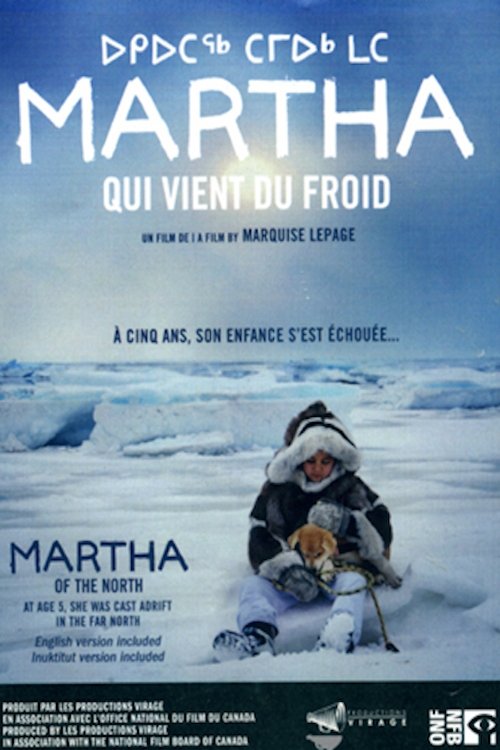
In the mid-1950s, lured by false promises of a better life, Inuit families were displaced by the Canadian government and left to their own devices in the Far North. In this icy desert realm, Martha Flaherty and her family lived through one of Canadian history’s most sombre and little-known episodes.

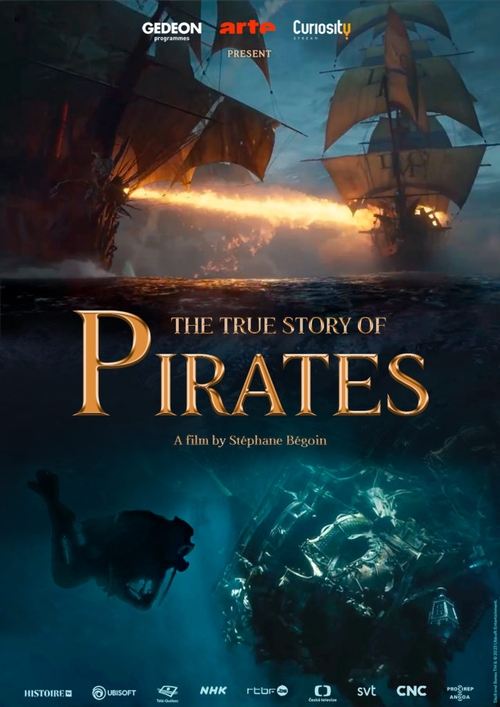
For nine months in 1930, seven Bretons, lobster fishermen, were "forgotten" on a volcanic island by their employers, Normans from Le Havre, heirs of the last French whalers. Four employees would die on the spot. Their descendants today revive the memory of this human tragedy which also struck 42 Madagascans. Starting from a sordid social conflict, the documentary shows that the “Forgotten Saint Paul” mark the end of an era of “colonization”, a term rarely used for the French Southern Territories, but nevertheless close to reality. This is the story of the Third World, as its discoverer, Yves de Kerguelen, named it.

Ocean Souls Films and Wildlife Media unite 100+ filmmakers, scientists, and leading experts to shine a bright, new spotlight on humanity’s closest living relatives - cetaceans (whales, dolphins, and porpoises). New footage and scientific discoveries reveal the extraordinary world beneath the ocean’s surface, where these majestic beings exhibit characteristics not unlike ours in terms of emotions, language, family, intelligence, and human interaction. Directed by Philip Hamilton, this multi-award-winning film inspires people to care and want to protect the oceans.
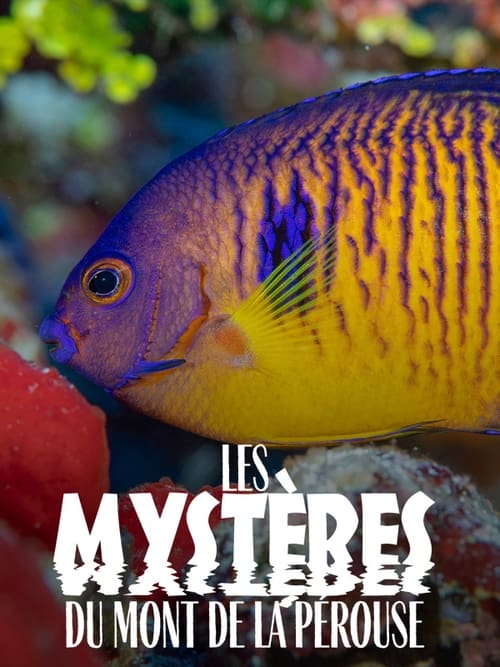
160 km southwest of Reunion Island, just a few dozen metres beneath the surface of the Indian Ocean, lies the peak of an underwater volcanic structure known as Mont La Pérouse. The base of this enigmatic geological formation lies 5000 meters below sea level, with a size comparable to that of Mont Blanc. Permanent currents and strong winds characterise this site in the open seas, culminating in complex diving conditions under which Laurent Ballesta, together with his Gombessa diving team and local researchers had to navigate in order to conduct the study in depth. Further techniques such as observation and photographic inventory, biological and geological sampling, and the use of cameras and sonars were employed in this challenging expedition.

The Chagossians used to live in the Chagos Archipelago, under British rule, in the Indian Ocean. Between 1967 and 1973, the British government progressively evicted the islander population from their homelands to allow the United States to build a huge military base on Diego Garcia, the largest of the islands. The base was strategically important to the US and British involvement in Afghanistan and other Middle Eastern fields of military operation. No consultation took place with the Chagossian people, and they were given no choice. As the film powerfully documents, the islanders were forced to survive in shanty towns in Mauritius and the Seychelles and were given no prospect of ever returning to their home. Many of them survive today in inadequate housing and poor living conditions, unwelcomed by their host communities. They can only dream of their archipelago and share one obsession: to return home.