Loading titles…
Documentary
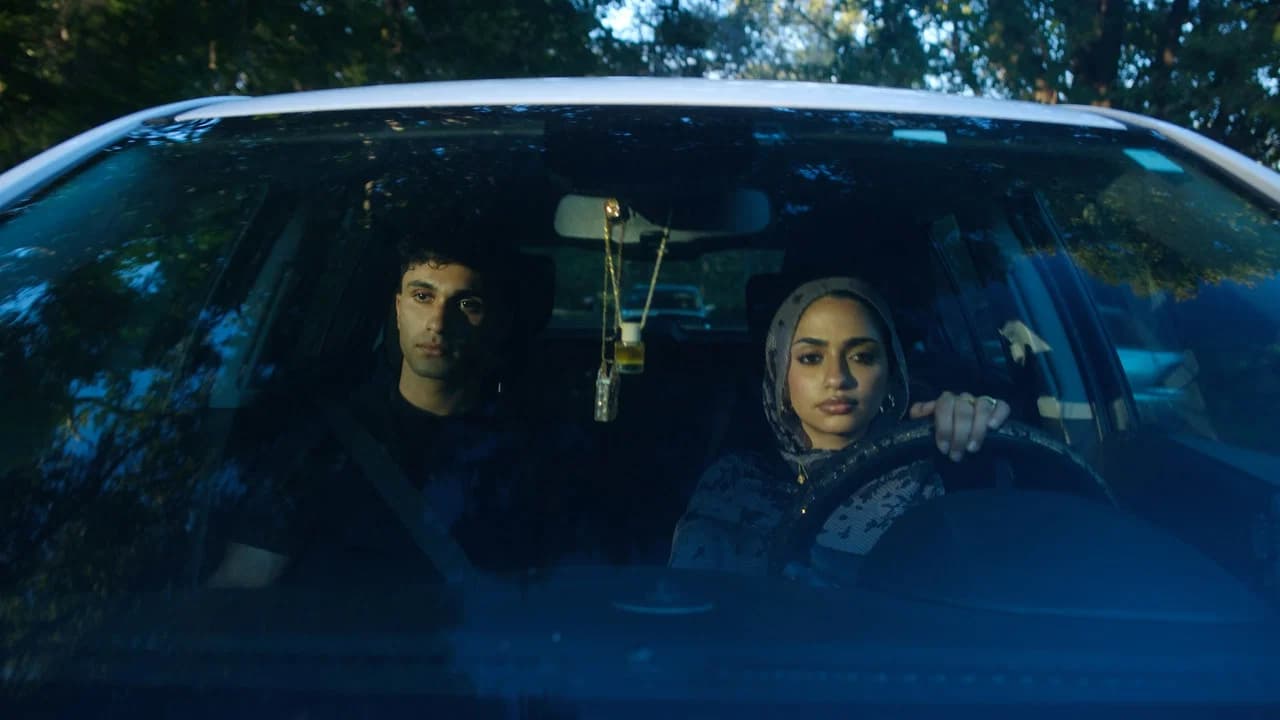
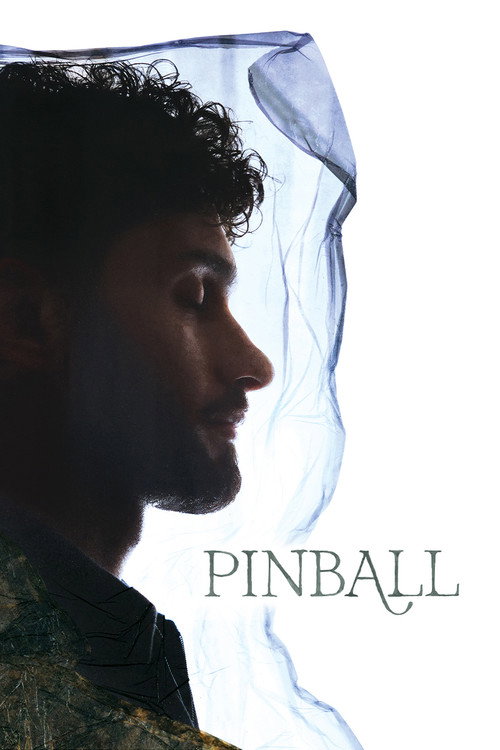
In a contemplative coming of age portrait, PINBALL follows Yosef, a spirited athlete, in Louisville, Kentucky as he dives into the memories of his journey from Iraq to America and what it means to chase his dreams in the shadow of a war that displaced his family from their Iraqi…
Cast
Cast
Cast
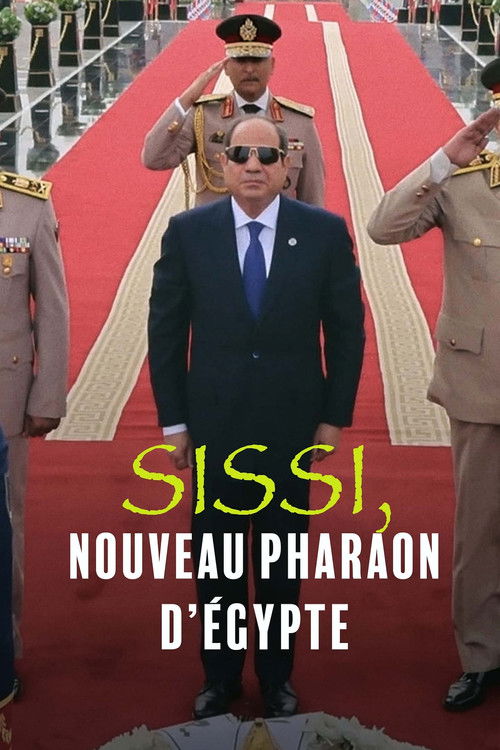
Egypt, nicknamed "the mother of the world" by its people, is unrecognizable. Gigantic construction sites have sprung up in the desert at an exponential rate, including roads, bridges, and megaprojects on the Mediterranean coast. This new Egypt is an illusion: in 10 years, the population has sunk into unprecedented poverty. The regime shows no mercy to the poor. Abdel Fattah el-Sisi, the new pharaoh, and his army have set up a pyramid-shaped financial system, built on subsidies from major international institutions—including the European Union—and foreign investment. The most populous nation in the Arab world finds itself on the brink of collapse.
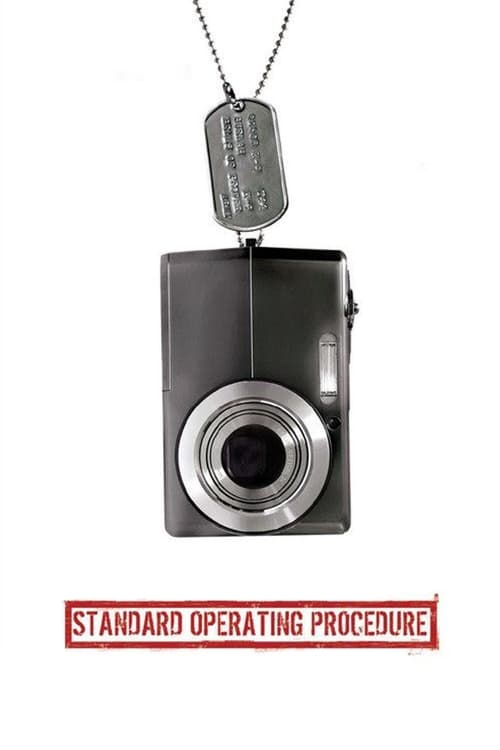
Investigating the infamous Abu Ghraib scandal, Errol Morris interviews American guards and Iraqi prisoners who were at the military jail before images of prisoner torture emerged in 2004. One female guard, who posed alongside fallen Iraqis in notorious images, tells Morris that her crimes were inspired by her love for another soldier, and another explains why she took photographs of her fellow troops. In the process, Morris suggests that the scandal resulted from systemic flaws in the military.
Where We Belong is a short documentary film on the Chagossian community who were forcibly driven out of their Archipelago between 1965 and 1973 by the UK government. The Chagos Islands, found in the Indian Ocean, is now used for a U.S Military Base. Recently, the International Court of Justice have issued an advisory opinion and concluded that, "the United Kingdom is under an obligation to bring to an end its administration of the Chagos Archipelago as rapidly as possible”. "Where We Belong" is the story of the Chagossians women and men who are still fighting for their rights and can never forget their "Paradise Island".
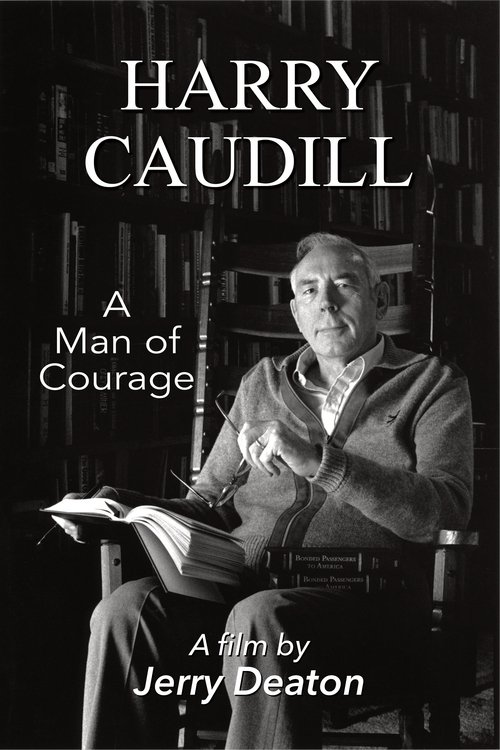
One of the most important Kentuckians of the 20th century, Harry Caudill brought the story of Appalachia to national attention when his book “Night Comes to the Cumberlands” was released in 1963. The nonfiction account of Eastern Kentucky’s coal region, part history and part polemic, eloquently recounted the exploitation of Appalachia’s land and its people by business and government interests, and made Caudill a national spokesperson for his homeland. Harry Caudill spent his life advocating for Eastern Kentucky, with the aim of helping the powerless as well as securing the region’s unmatched natural resources for future generations. His work led to lasting government reforms for Appalachia, and his legacy remains a touchstone for activists today.
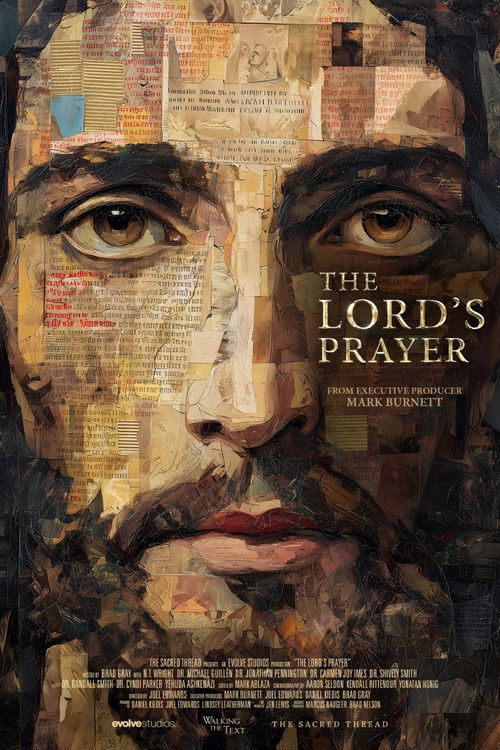
More than a familiar recitation, the Lord’s Prayer is revealed as the very heartbeat of the Gospel: a bold, revolutionary call to live God’s Kingdom here and now. Each line opens a doorway into the world of Scripture, unveiling the cultural, historical, and spiritual depth behind Jesus’s teaching. Through captivating visuals, exceptional scholarship, and powerful storytelling, viewers will rediscover the prayer’s transformative power. It challenges us not merely to say the words, but to embody them—to shape our lives around trust, surrender, forgiveness, and the pursuit of God’s justice and peace.
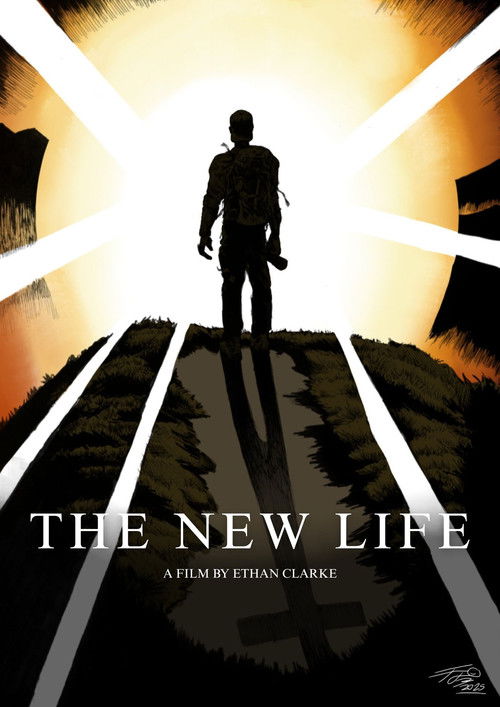
Travelling the French Alps at 17 while coming to terms with losing my dad. Exploring ideas of faith through difficult situations, and how bad times can bring out the good in our lives, documenting the journey after losing a parent to cancer and the importance of art and creativity in our lives. Using "The New Life" as a new way of defining grief, serving as the name given to the life we are forced to live after losing a loved one, and a christian name given to Heaven. It’s the similarity in all of our lives and the life that we go out of our way to live, in search of experiences, after it feels like all hope is lost. Why do we fall? It does, in fact, get better.
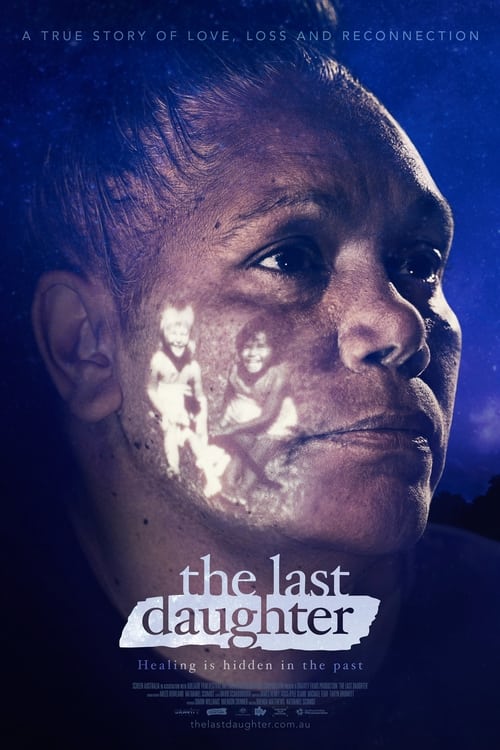
Brenda’s first memories were of growing up in a loving white foster family, before she was suddenly taken away and returned to her Aboriginal family. Decades later, she feels disconnected from both halves of her life, so she goes searching for the foster family with whom she had lost contact. Along the way she uncovers long-buried secrets, government lies, and the possibility of deeper connections to family and culture.
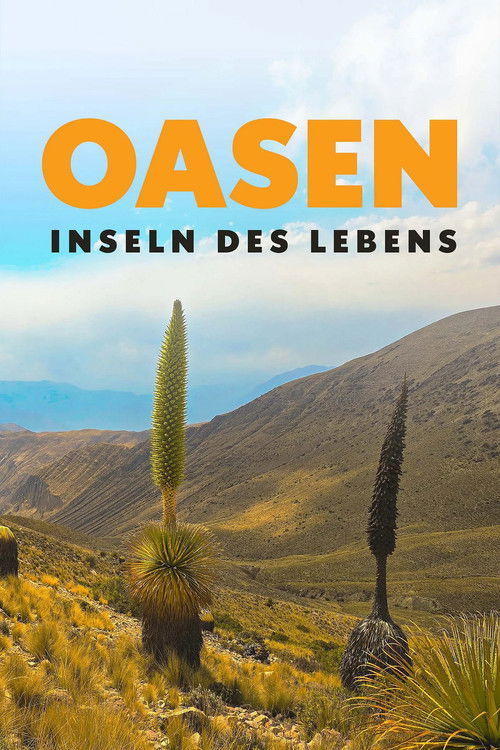
Oases are more than fairytale places in the desert sand. Amidst the stony heights of the Andes, the endless expanse of the Pacific, or the hectic concrete sausages of Mumbai, islands of life flourish. In breathtaking shots, the documentary explores the phenomenon of oases – and the magical places in the Saharan sand are of course included.
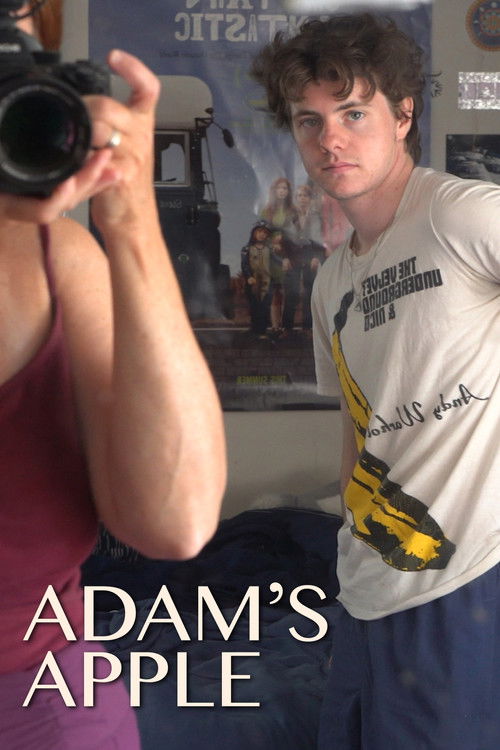
An intimate, collaborative documentary told through the dual perspectives of Adam, a transgender teen, and his mother, visual artist Amy Jenkins, that offers an authentic and tender counterpoint to the hostility facing trans youth today. Adam’s journey balances the milestones of gender transition with the rhythms of adolescence. As Adam asserts his identity and steps out into the world, his parents grapple with the challenges of raising a teen while learning to let go. Through a visually poetic approach, the film transforms a deeply personal archive, collected over two decades, into a powerful, joyful testament to the beauty and difficulty of reckoning with profound change.