Loading titles…
Documentary
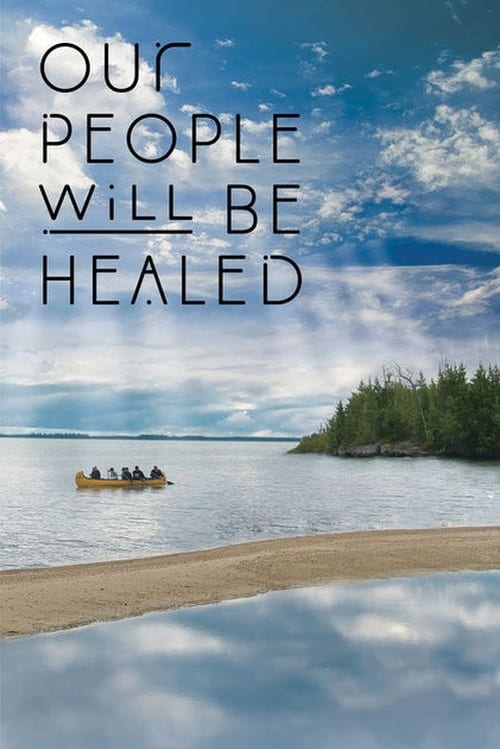
Meet Vern Harper, Urban Elder, who walks the "Red Road" in a fast-paced, urban landscape. The camera follows Vern as he leads a sweat lodge purification ceremony, watches his 11-year-old daughter Cody at a classical ballet rehearsal, conducts a private healing ceremony,…
Himself
Himself
Herself
Herself
Himself

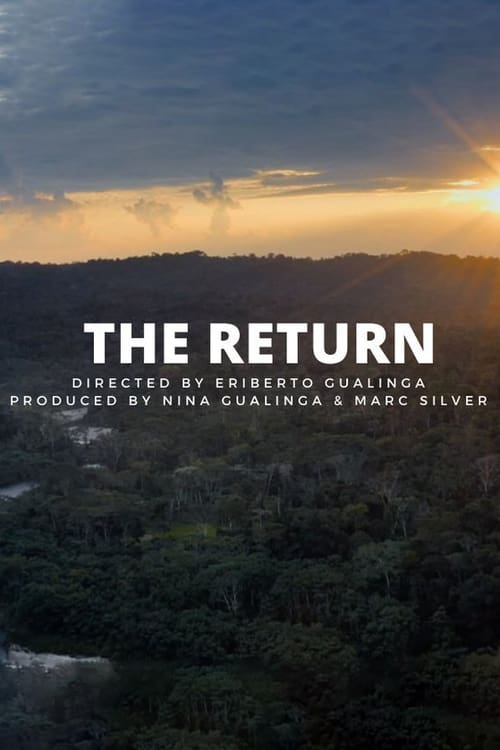
It’s spring in the Ecuadorian Amazon and the Uyantza festival is underway with the community celebrating all that the forest has to offer. Meanwhile, news is breaking around the world that a novel virus is spreading and a state of emergency is declared across the country. As people test positive for COVID-19 in the community, some families decide to leave and head deeper into the jungle. Disconnected from school, friends, the internet, and work, one family learns to reconnect with life in the forest. The children begin to unlearn the national curriculum, and instead are taught Indigenous knowledge that mainstream schools normally pass over. As COVID-19 wreaks havoc around the planet, the family reconnect to their ancestral ways, but as news arrives that Ecuador’s lockdown will end soon, will the family choose to return?
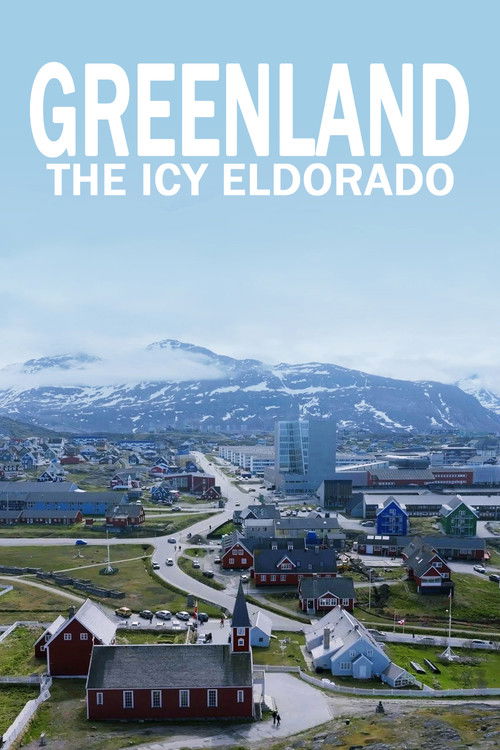
Greenland has become a major geopolitical issue between the United States, Europe, Russia, and China due to its geographical location and mineral resources. Its geopolitical destiny will have significant ecological consequences for the entire planet. What choice will the people of Greenland make? The largest island in the world, with its 2.2 million square kilometers covered 80% by ice, is also one of the least densely populated territories on Earth, with barely 57,000 inhabitants. Mainly living off fishing, tourism, and Danish subsidies, yet sitting on a potential treasure. We are talking about 25% of the world's hydrocarbon reserves, the third-largest uranium reserves, and 20% of rare earths. An icy Eldorado that today sparks all sorts of ambitions, one of the hotspots where the future of our multipolar world is being shaped. This is what the film will explore, addressing both its economic and commercial challenges, as well as its geo-ecological and military implications.
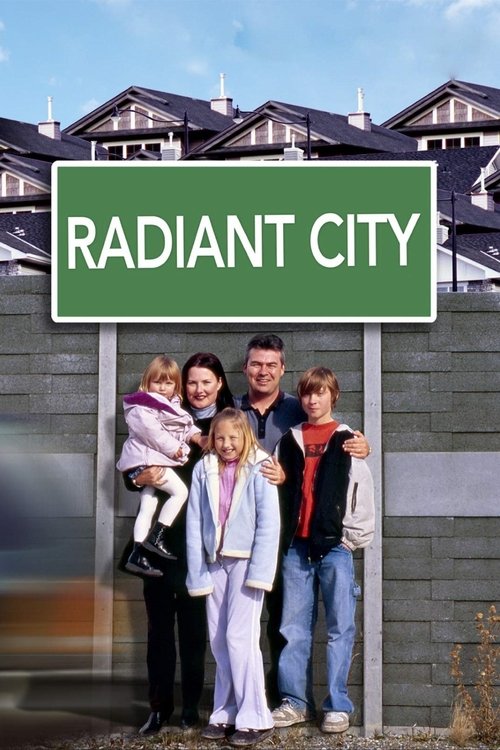
Since the end of World War II, one of kind of urban residential development has dominate how cities in North America have grown, the suburbs. In these artificial neighborhoods, there is a sense of careless sprawl in an car dominated culture that ineffectually tries to create the more organically grown older communities. Interspersed with the comments of various experts about the nature of suburbia
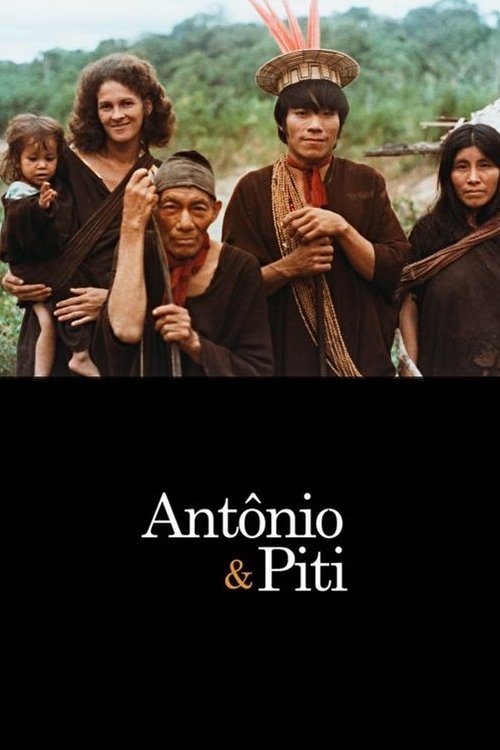
Thirty years ago, a rubber company enslaved a group of Asháninka people, manipulating them into tapping the trees in the lush borderland between Peru and Brazil. The company was expelled by a coalition of Indigenous and non-Indigenous people, led by one mixed race couple. Now the adult children of this marriage combat political corruption and ongoing environmental disaster.

The Indigenous peoples of northern British Columbia still hunt and fish, using a combination of traditional ways and modern equipment and techniques where appropriate. Lumbering and trapping bring them money and goods. Their traditional arts and crafts, however, remain essentially unchanged. This archival film reflects the social and cultural values and beliefs prevalent at the time of production.