
Loading titles…
No cast information available.


Grandma has become a little doddery. And since the death of her husband, called E.O., ever bigger gaps have opened in her memory, and her disorientation has increased. Director Astrid Menzel makes a decision: to take a ten-day canoe trip on northern German waters with her brother and the 86-year-old lady. An adventure whose outcome is uncertain and which the three travellers have to face anew at every stage.
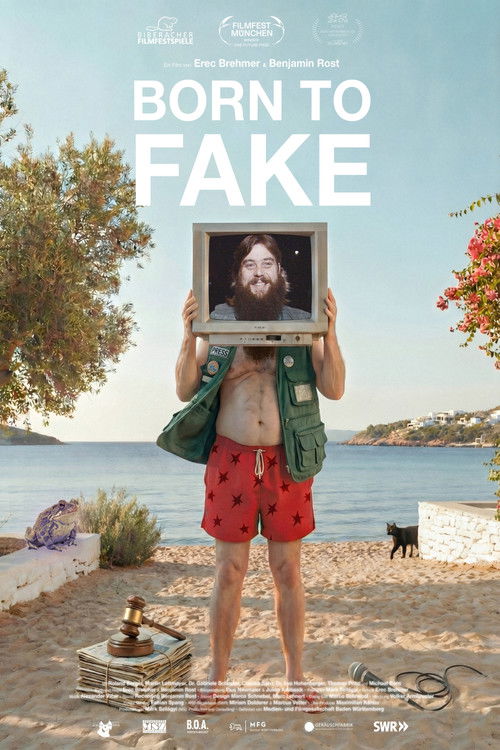
In 1996, one of the biggest media scandals in German history shook the public: Michael Born, a self-made journalist, had faked over twenty reports for the newly established private television station between 1990 and 1996. Some seemed amateurish, others dealt with absurd topics: child labor for IKEA in India, drug addicts licking toads to get high, and the Ku Klux Klan in the Eifel region were just some of his numerous fabrications. How did it come to this? Was Michael Born an enlightened figure who subversively exposed the tabloid system, a victim of the system, or simply a bumbling fraud? Film traces Michael Born's footsteps. Put together from hundreds of hours of raw material and the memories of former companions, an incredible story of forgery emerges. A media-theoretical film about levels of reality, fake news, and the question: Why do we actually believe what we see?
They sew our clothes, tan leather for shoes and bags. Twelve hours of work, every day. Despite this, the people in the supplier countries are often desperately poor. How does this poverty come about? Manfred Karremann explores this question using the example of Bangladesh, where much of what we use every day is produced. Bangladesh is the second largest textile producer in the world after China. The main reason for the poverty: goods are produced incredibly cheaply in Bangladesh. About nine cents an hour is paid for the dangerous work in a tannery. The seamstresses in the textile factories get a little more. Just enough to survive. Because that's what it's all about for the men, women and children who do any job, for any wage.
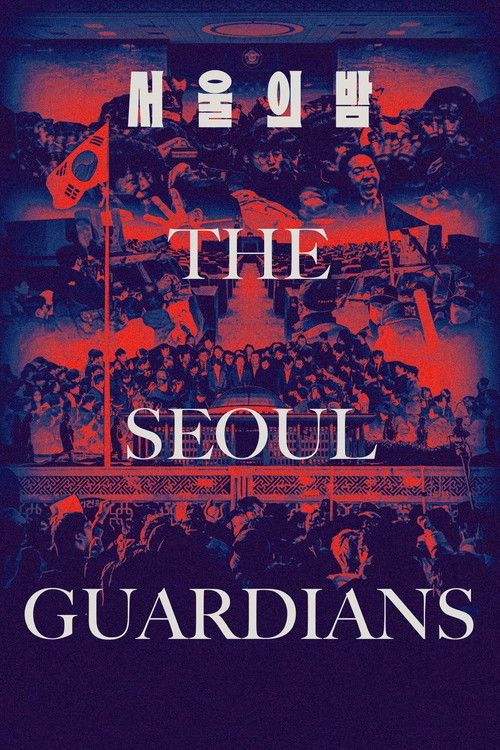
On December 3, 2024, in Seoul, the President of South Korea Yoon Sukyeol declares the martial law. Troops move toward the National Assembly to seize control. Meanwhile, citizens rush to the National Assembly to block the troops, while lawmakers break through police's barricades at the main gate, climb over the walls to attend the session that lifts the martial law.
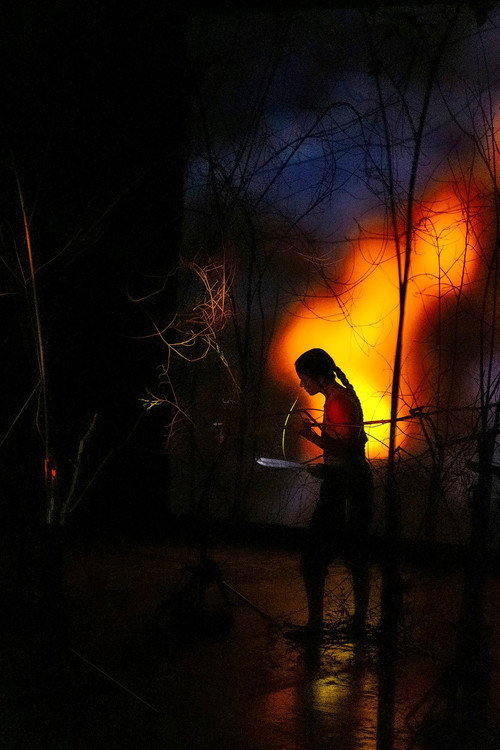
On October 16th, 1958, a family fled Indonesia. They spent a month at sea aboard the M.S. Sibajak on a voyage to The Netherlands. When they arrived, it was getting winter. Coming from the tropics, the cold was a shock. The family quickly noticed that the spirits who had always been with them in Indonesia were no longer there - they had left them along the journey.