Loading titles…
No cast information available.

The director's mother is 90 years old—and is beginning to forget herself. Not only herself, but everything else as well. She has dementia. Only her faith and her tireless knitting of exclusively blue socks keep her alive. The director, whose relationship with his mother has been very tense throughout his life, approaches the dissolution of his mother's ego in this experimental and essayistic film with the support of Didier Eribon, Simone de Beauvoir, Norbert Elias, Jean Améry, and others. In addition to this very personal story, he also tells a universal story about the process of aging, about repression, but also about rebellion in dealing with and interacting with aging people.

Just after midnight on 10 March 1945, the US launched an air-based attack on eastern Tokyo; continuing until morning, the raid left more than 100,000 people dead and a quarter of the city eradicated. Unlike their loved ones, Hiroshi Hoshino, Michiko Kiyooka and Minoru Tsukiyama managed to emerge from the bombings. Now in their twilight years, they wish for nothing more than recognition and reparations for those who, like them, had been indelibly harmed by the war – but the Japanese government and even their fellow citizens seem disinclined to acknowledge the past.

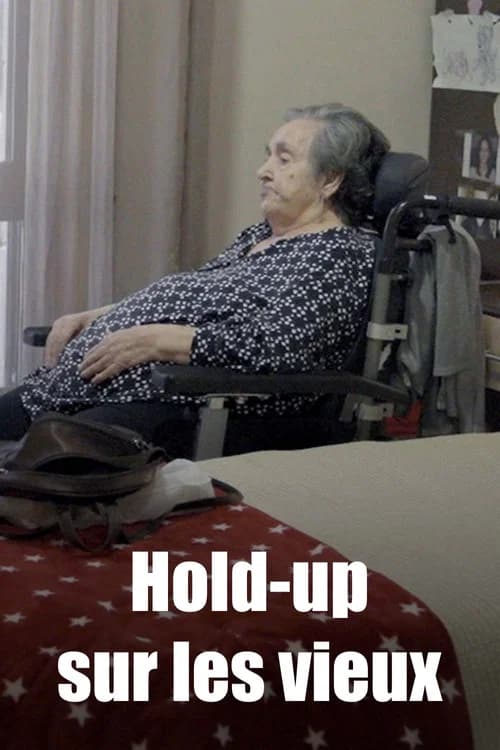
They come from all walks of life and have lived for almost a century. They have lived through the upheavals of history. They are funny, moving and rebellious. They surprise and amaze us. Yet we rarely hear their voices. This film is an invitation to travel across France and meet them: the Old People.

One of society’s last taboos is elderly desire, which remains strong for many: half of older adults remain sexual. Advances in medicine and lifestyle mean people in their 70s, 80s, or 90s can still explore and enjoy intimacy. Yet society often ignores this—aged bodies are deemed unattractive, and sexual desire beyond tenderness is stigmatized, sometimes leading to mistreatment in care homes where couples are separated. The documentary Vieillir et jouir sans entraves confronts this taboo. Featuring celebrities and real-life couples—including Francine and Marc (60 years together) and gay couple Jean-Marc and Alain (34 years together)—it explores aging bodies, love, sexuality, and the challenges of libido and illness. The film highlights initiatives supporting sexual expression for older adults, including LGBT-friendly housing and sex-positive care, urging society to rethink its view of aging intimacy.
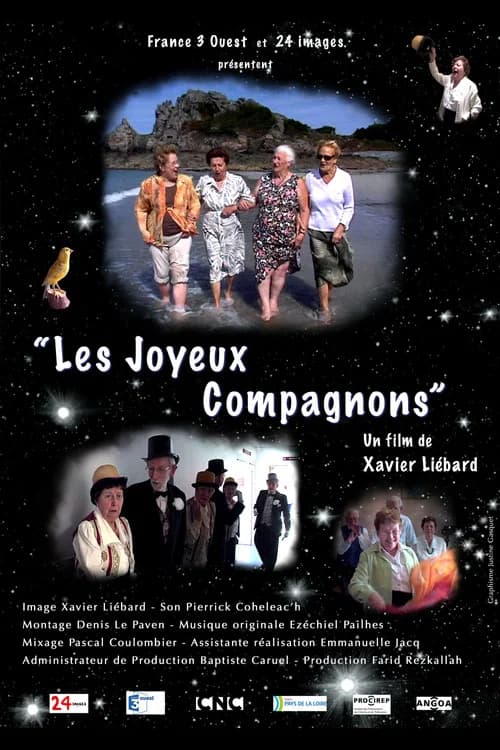
"It takes courage to accept growing old. It's the response to the cruelty of passing time that I wanted to film." (Xavier Liébard) A group of elderly people decided to live their journey through middle age to the fullest. United in the same small group for over fifteen years, they chose to share their vitality through song with others, those whom old age has excluded from the social, familial, and human experience. Against all odds, "The Joyful Companions" are active and committed to maintaining the social connections that bind them to life. But what strategies, tricks, and struggles they must invent to live old age with hope... Xavier Liébard Director, Writer

In the not-so-distant future stands a castle where life can be eternally extended, provided that the residents take their pills. At age 88, Madeleine sees herself as the princess of the castle where she'll live "till her dying breath"... until the day that she is forced to leave. Disturbing tale of an endearing woman at the dawn of losing her bearings in a system where every elderly person have to find a place to live.

Dona Maria, a woman in her seventies, is alone at home with her thoughts. Abandoned by everyone—and by the life she once nurtured with such labor and passion—she now lives off her memories, her only companions, of a time when everyone was happy and she, besides being a renowned painter, was a whole, fulfilled woman.