Loading titles…
Documentary
An industrial film sponsored by the Cleveland Electric Illuminating Company promoting the "Cleveland Corridor," an 85-mile corner of northeast Ohio between the port cities of Conneaut and Cleveland, as "the best location in the nation" for industrial business. This 16mm film is…
No cast information available.
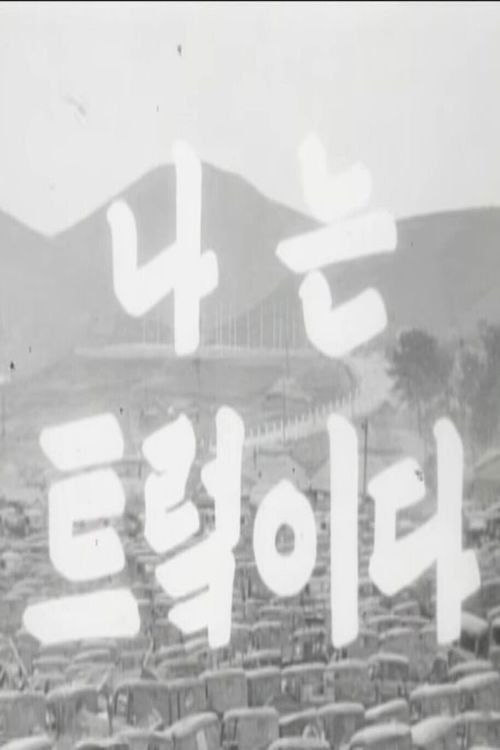
Worldy renowned for his masterpiece The Housemaid (1960), Kim Ki-young debuts with his first short film I Am a Truck (1953), which was sponsored by UN and made a year after the armistice of the Korean War. This film is a fascinating glimpse into the mind of a soon-to-be powerful auteur and influential filmmaker in the post-war Korean cinema, if not the whole history of Korean cinema.
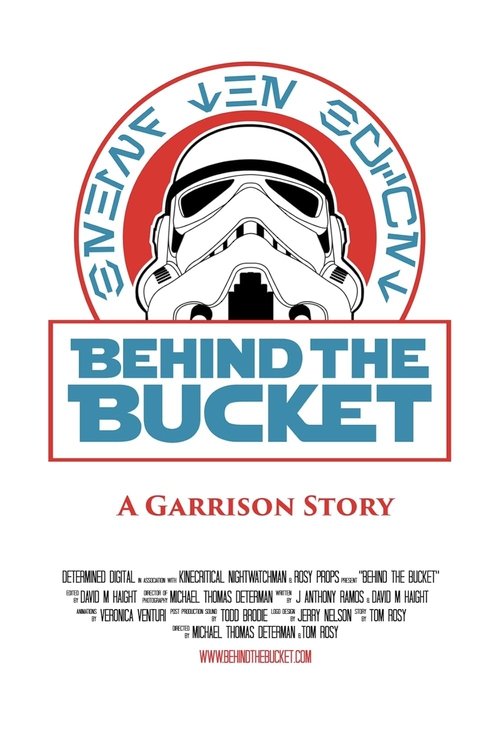
Behind the Bucket is a documentary following members of the 501st Legion--Star Wars Enthusiasts--showing how they are much more than adults playing dress-up. The 501st are compassionate, charitable, and down to earth people doing what's right for those in need. There's a reason why their motto is "Bad Guys Doing Good".

Discipline and productivity are more regimented in Japan than in many other parts of the world. For the Japanese, survival means doing things together rather than asserting North-American-style individualism. Japan's industry has automated and computerized at an unparalleled rate. Open-concept offices and collaborative work styles offer a model of the changing style of modern work that could inspire the West to modify their processes as well.
The environmental problems caused by fracking in America have been well publicized but what's less known are the gas industry's plans for expansion in other countries. This investigation, filmed in Botswana, South Africa and North America, reveals how gas companies are quietly invading some of the most protected places on the planet.

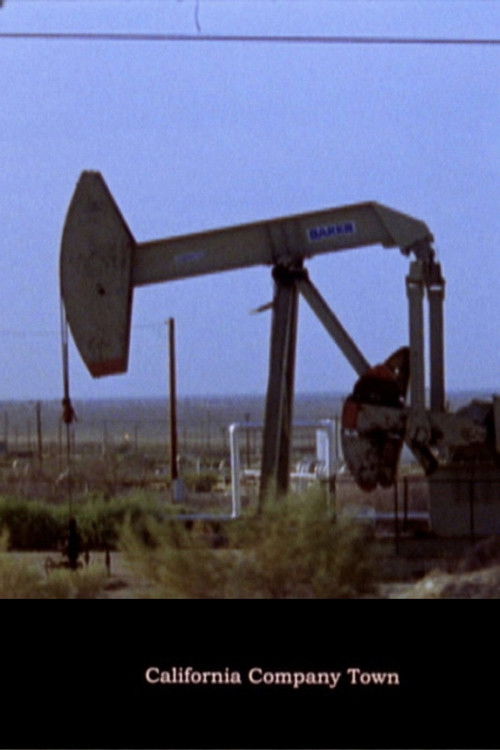
Lee Anne Schmitt explores California's landscape and past to document the history of one-time boom towns built and abandoned by the industries that necessitated their creation. Sold as a limitless land expansive with free opportunity, California was actually, from its onset, fissured by the interwoven needs of private and public interests. Schmitt's film covers various locations through time, as the major industries of the early 20th century (mining, lumber, oil) give way to the military, eventually leading to multinational corporations, and the use of small towns as satellites for growing urban metropolises.
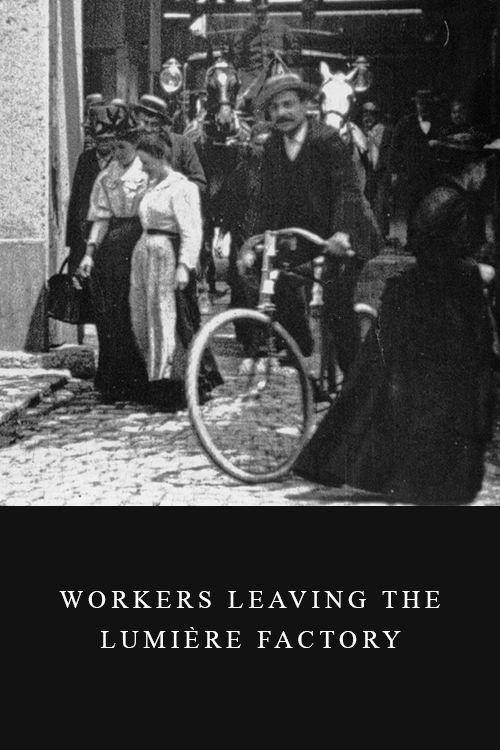
Working men and women leave through the main gate of the Lumière factory in Lyon, France. Filmed on 22 March 1895, it is often referred to as the first real motion picture ever made, although Louis Le Prince's 1888 Roundhay Garden Scene pre-dated it by seven years. Three separate versions of this film exist, which differ from one another in numerous ways. The first version features a carriage drawn by one horse, while in the second version the carriage is drawn by two horses, and there is no carriage at all in the third version. The clothing style is also different between the three versions, demonstrating the different seasons in which each was filmed. This film was made in the 35 mm format with an aspect ratio of 1.33:1, and at a speed of 16 frames per second. At that rate, the 17 meters of film length provided a duration of 46 seconds, holding a total of 800 frames.
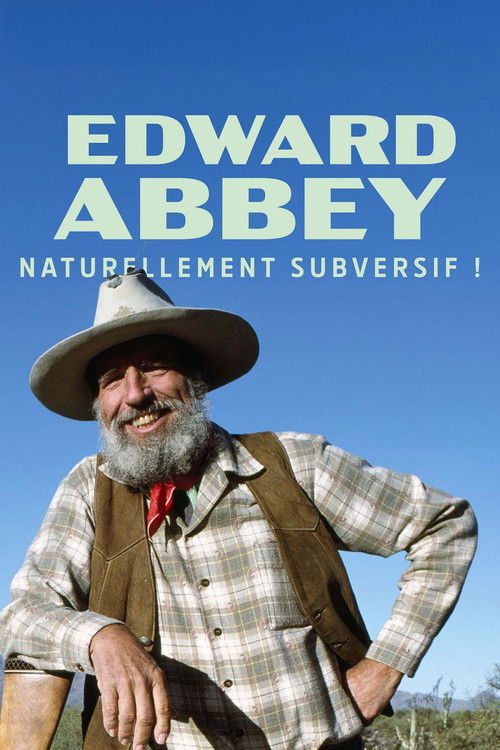
A resistance writer and pioneer of nature writing with a controversial personality, Edward Abbey wrote more than twenty books on the theme of eternal nature. A gem of counterculture, his 1975 novel The Monkey Wrench Gang inspired a generation of environmental activists and readers with rebellious souls. Portrait of a rebellious, lyrical, and rude writer.