Loading titles…
Aida
Radames
Amneris
Amonasro
Ramfis
Re
Messaggero
Grande Sacerdotessa
self
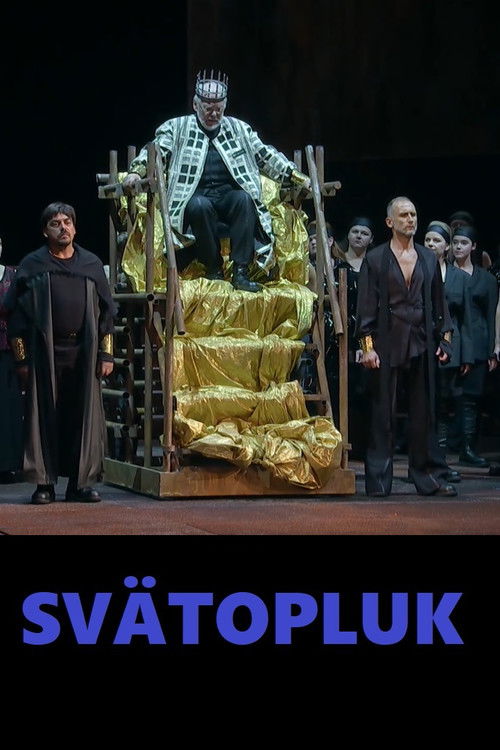
Eugen Suchoň's opera Svätopluk returns to the stage of the Slovak National Theatre Opera in 2023. Since 1960, when it had its world premiere, this is the fifth production of this musical drama at the Slovak National Theatre. It returns as an eloquent witness of Slovak operatic history, as a bearer of a message, as an impulse for reflection and reassessment of historical attitudes in a broader context.
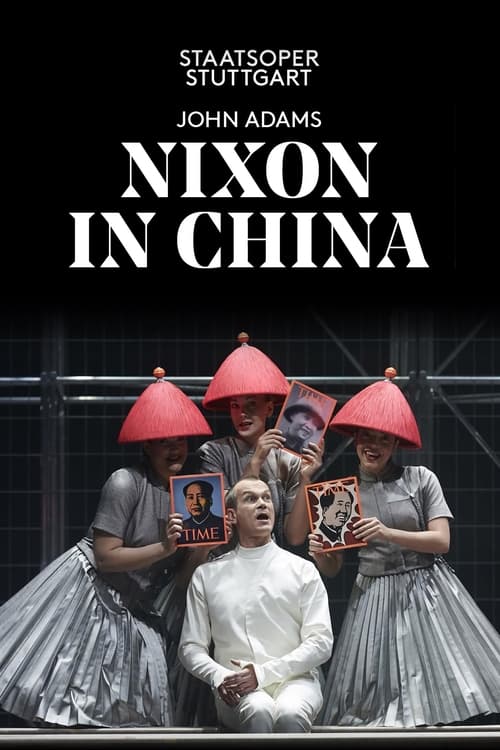
Besides the landing on the moon by the Apollo 11 mission in 1969, Richard Nixon’s meeting with China’s leader Mao Zedong in February 1972 then represented one of the biggest media spectacles in history. Nixon himself established the reference between the two events: “We came in peace for all mankind” not only marked the lunar module Eagle’s landing spot – Nixon also spoke of it into the microphones just before his departure to China. It was not John Adam’s aim to create a superficial or even a caricaturing representation of Nixon’s visit when composing his opera. He attempted to create a “heroic opera” about the construction of modern myths by using archetypical characters and situations. Director Marco Štorman stages Adams’ minimal music opera as a deconstruction review about the power of images, the politics of staging and the staging of politics.
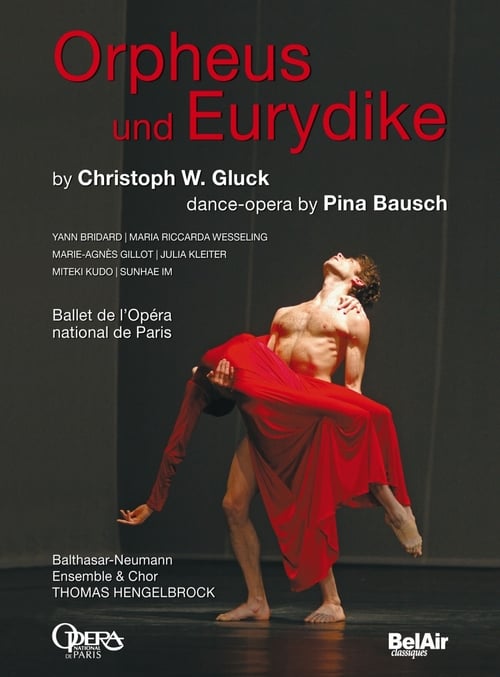
The Ballet de l'Opera National de Paris mounted this production of the late Pina Bausch's dance-opera Orpheus und Eurydike, which Bausch had adapted from composer Christoph Willibald-Gluck and Ranieri de' Calzabigi's 1762 opera Orfeo ed Euridice. As the title suggests, it takes its basic narrative from the myth of Orpheus, and his courageous but ill-fated attempt to rescue his lover Eurydice (also known as Eurydike) from the jaws of the underworld. This particular production finds Yann Bridard dancing as Orpheus and Marie-Agnès Gillot dancing as Eurydike , with mezzo-soprano Maria-Riccarda Wesseling accompanying Bridard and soprano Julia Kleiter accompanying Wesseling. Pina Bausch did the choreography and stage direction, while Rolf Borzik designed the sets, costumes and lighting. The Balthasar-Neumann Ensemble & Choir, under the direction of Thomas Hengelbrock, lend musical accompaniment.
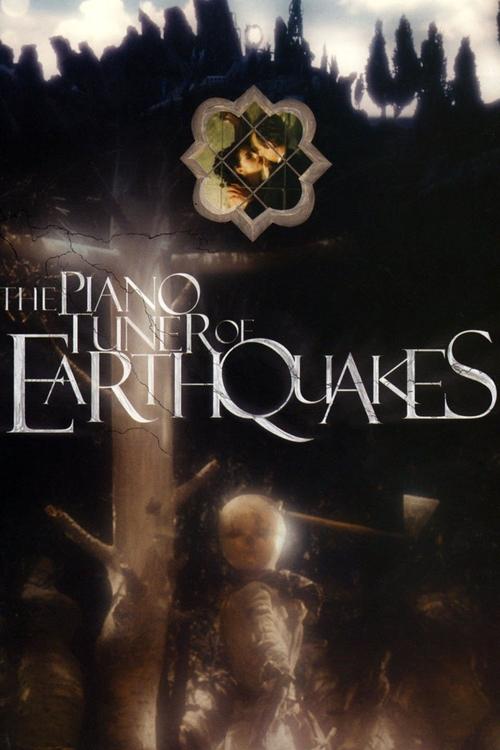
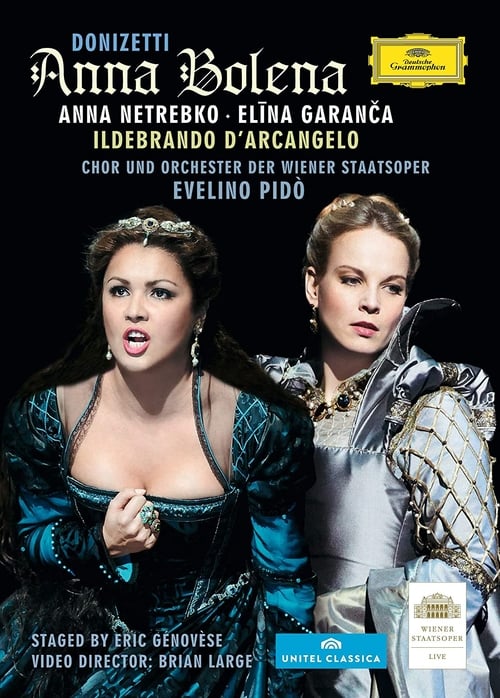
Gaetano Donizetti and his librettist Felice Romani kept the focus of their opera ANNA BOLENA on the personal rather than the political in this fictionalized Tudor tale: Henry VIII of England wants to get rid of his second wife, Anne Boleyn, so that he can marry her lady-in-waiting, Jane Seymour. He brings Lord Richard Percy, Anne's first love, back from exile so that he can find an excuse to accuse her of adultery. With the unwitting aid of Smeaton, a court musician, and Lord Rochefort, Anne's brother, the trap is easily sprung. This 2011 live recording from the Wiener Staatsoper showcases Anna Netrebko as she "scored a personal triumph" in her debut as the hapless Tudor Queen, while her stage partners - notably Elīna Garanča as Jane Seymour and Ildebrando D'Arcangelo as Henry VIII - were likewise showered with critical acclaim.
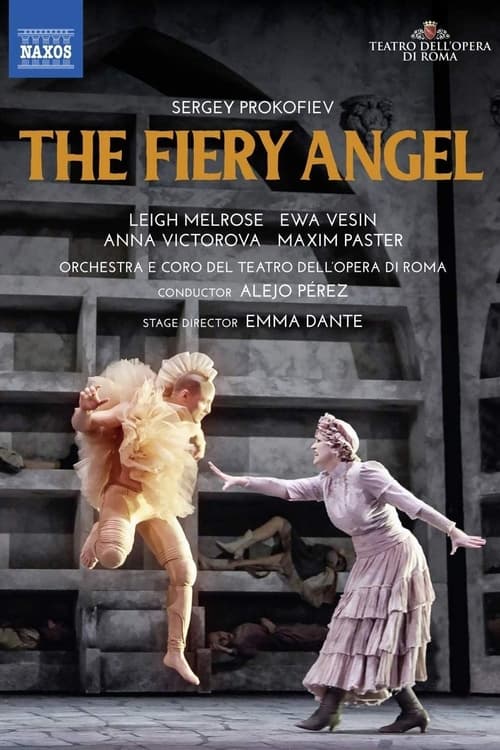
Sergey Prokofiev's operatic tragedy The Fiery Angel was never performed in the composers lifetime the musics brittle energy, drama and eloquent lyrical tenderness would re-emerge in his Third Symphony. The narrative focuses relentlessly on Renata, who is haunted by an angel who turns out to be the devil. Director Emma Dante describes the opera as an explosive mix of fantastical realism and endless confusion of nightmares, madness, sexual impulses and cultural clashes, and this Teatro dellOpera di Roma production was acclaimed as a presentation of Prokofievs masterpiece which sparkles in all its grotesque glory (operawire.com)