Loading titles…
Documentary
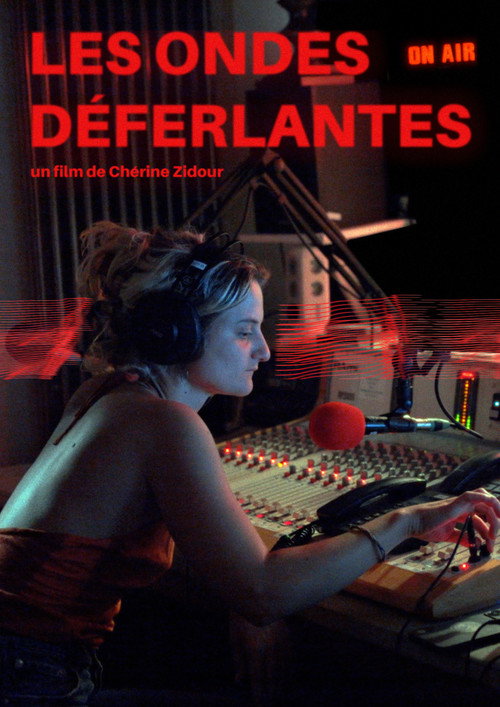
Radio Galère, an independent radio station in Marseille, has been on the air for over 40 years, giving voice to what we hear far too little of: the anger, the struggles, the hopes, and the stories of those whom society renders invisible in their daily lives. Through its…
No cast information available.
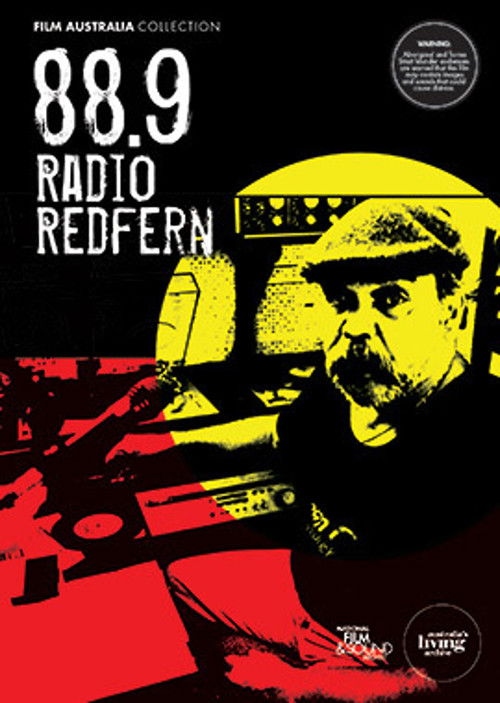
An observational documentary which looks at Sydney’s first community Aboriginal radio station, 88.9 Radio Redfern. Set against a backdrop of contemporary Aboriginal music, 88.9 Radio Redfern offers a special and rare exploration of the people, attitudes and philosophies behind the lead up to a different type of celebration of Australia’s Bicentennial Year. Throughout 1988, 88.9 Radio Redfern became an important focal point for communication and solidarity within the Aboriginal community. The film reveals how urban blacks are adapting social structures such as the mass media to serve their needs.
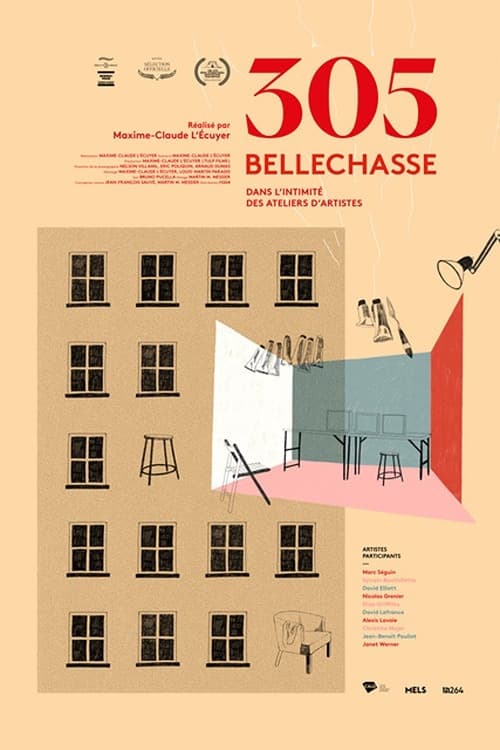
A former Catelli pasta factory, located at the confluence of Petite-Patrie, Mile-End and Little Italy, has over time become the refuge of many renowned artists, an important place of creation for contemporary painting. Montrealer. Chance encounters, proximity and exchanges enrich their respective work. But real estate speculation threatens the sustainability of these artists' studios. Fight to create, create to fight: this documentary opens the door to these inspiring places, which will soon no longer be so. A journey into the spirit of creation — despite everything.
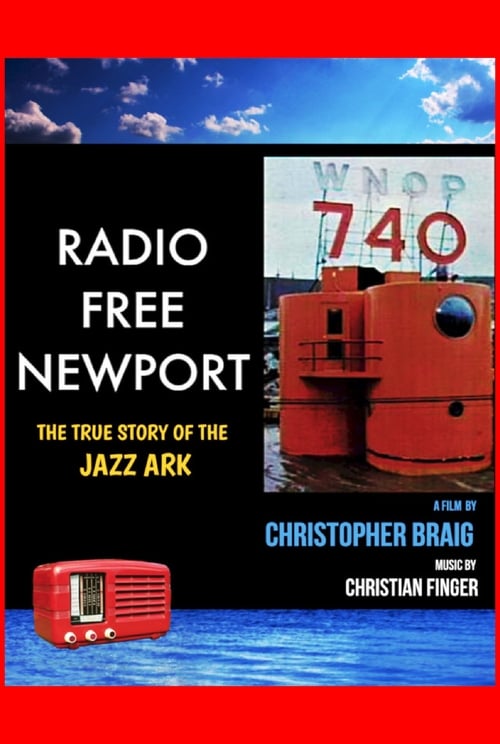
Imagine an AM Radio Station with a dawn to dusk license that played nothing but jazz and comedy records. Did I mention it FLOATED in the Ohio River and changed the culture of a Community? The history of Cincinnati Jazz is long, wide, diverse and in the case of WNOP sometimes beyond belief. Saxophonist turned filmmaker Christopher Braig's second Film will focus on the people, music, and cities that kept "The Jazz Ark" sailing for 42 years from 1968 to 2000.
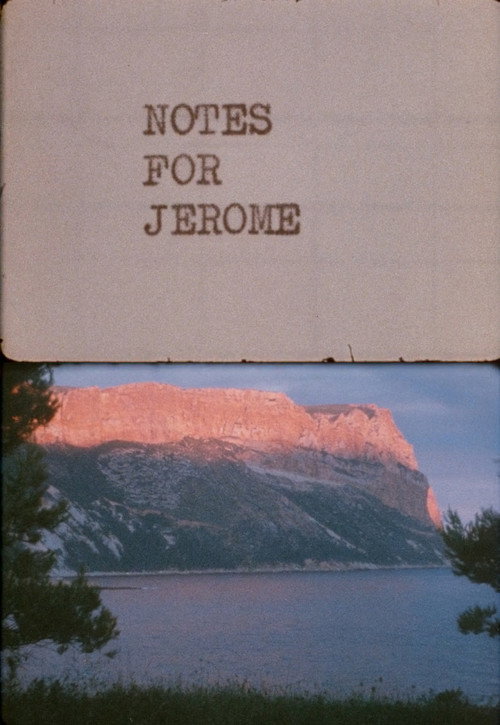
During the summer of 1966 Jonas Mekas spent two months in Cassis, as a guest of Jerome Hill. Mekas visited him briefly again in 1967, with P. Adams Sitney. The footage of this film comes from those two visits. Later, after Jerome died, Mekas visited his Cassis home in 1974. Footage of that visit constitutes the epilogue of the film. Other people appear in the film, all friends of Jerome.