Loading titles…
Documentary
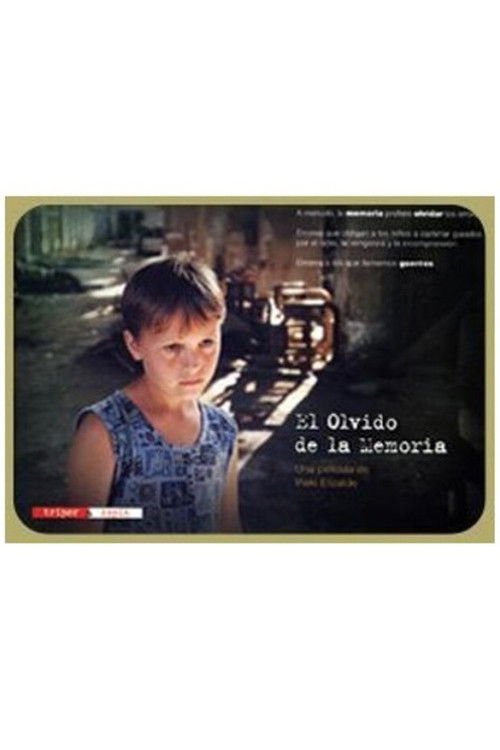
Children learn what they see and feel what their elders teach them to feel. If they live surrounded by hate and thirst for revenge, they will learn to hate and take revenge. The documentary collects the stories of these children told by themselves; of the children who live today…
No cast information available.
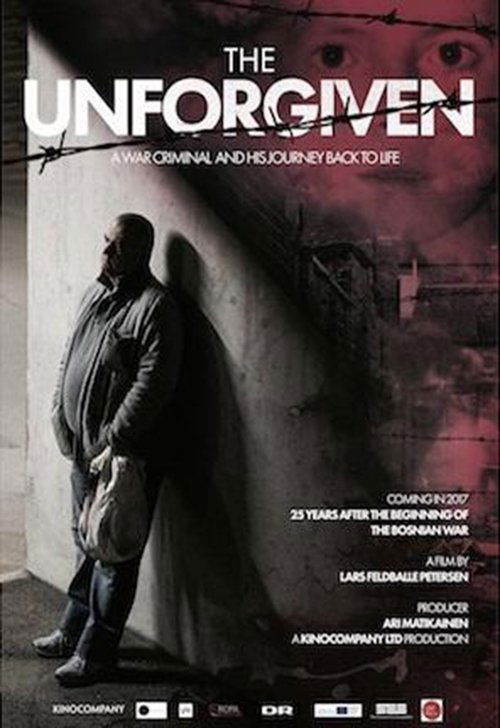
Is it possible for a war criminal to find forgiveness and to reconcile with the past? How do you find your way back to what is known as a normal life when you have been convicted of one of the worst crimes of all – a crime against humanity? Esad Landzo has looked for answers for many years, but in vain. He decides to make one last attempt. The Balkan War criminal travels back to Bosnia to meet his former camp-guard friend, his victims and his family. Will he ever be forgiven? Should he?

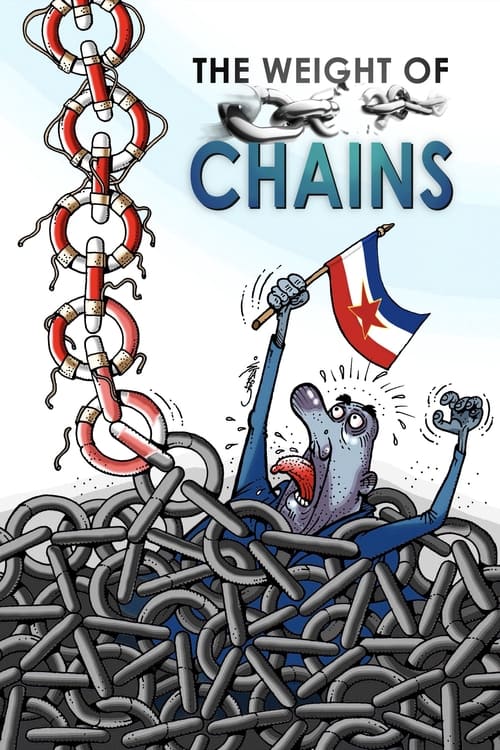
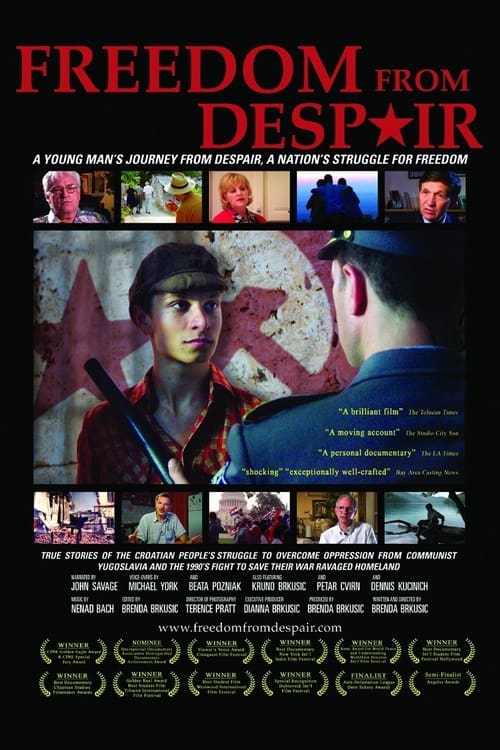
The Weight of Chains is a Canadian documentary film that takes a critical look at the role that the US, NATO and the EU played in the tragic breakup of a once peaceful and prosperous European state - Yugoslavia. The film, bursting with rare stock footage never before seen by Western audiences, is a creative first-hand look at why the West intervened in the Yugoslav conflict, with an impressive roster of interviews with academics, diplomats, media personalities and ordinary citizens of the former Yugoslav republics. This film also presents positive stories from the Yugoslav wars - people helping each other regardless of their ethnic background, stories of bravery and self-sacrifice.

The Scorpions were a Serbian paramilitary unit that gained notoriety for their involvement in war crimes during the Yugoslav Wars of the 1990s. By using the statements of former members of the Scorpions unit, and the materials recorded by the unit itself in the course of its campaignes, this film demonstrates the functioning of a typical combat unit organized by the security service to do dirty jobs in the Balkan wars. Including their treatment of Bosnian Serbs; from refusing them water to the stomach-wrenching murders of six Bosnian Muslim men, some of whom were minors, in Srebrenica in July 1995. Archival footage used in this film includes materials of Humanitarian Law Center, International Criminal Tribunal for Former Yugoslavia.

At the beginning of Sumadijska street in the vicinity of Slavija Square on the 11th August 1913, the Serbian victorious army from the Second Balkan War led by the Crown Prince Alexander Karadjordjevic was given a huge welcome by the highest military and political authorities of Serbia and Belgrade, representatives of civil organizations and national institutions, as well as several tens of thousands of people from Belgrade, Serbia and Vojvodina.