Loading titles…
Documentary
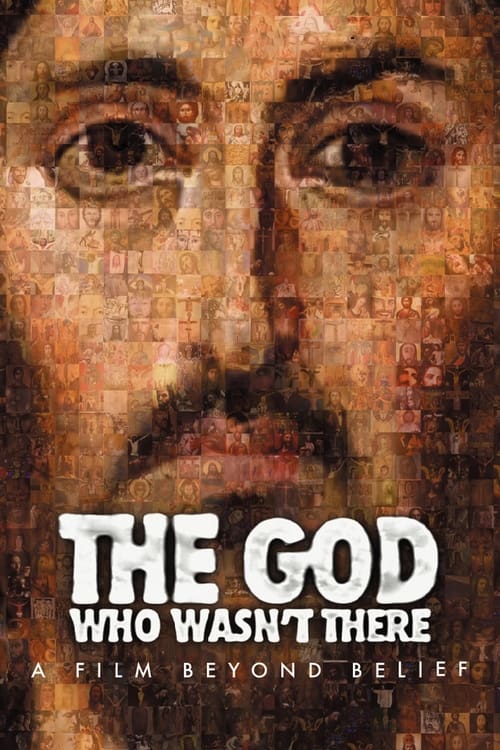
In this thought-provoking film, director Paul Perry uses recent research into near-death experiences to answer the question that's plagued humans since the beginning of time: Is there life after death? Through interviews with near-death researchers and accounts from those who've…
Self

Self
Self
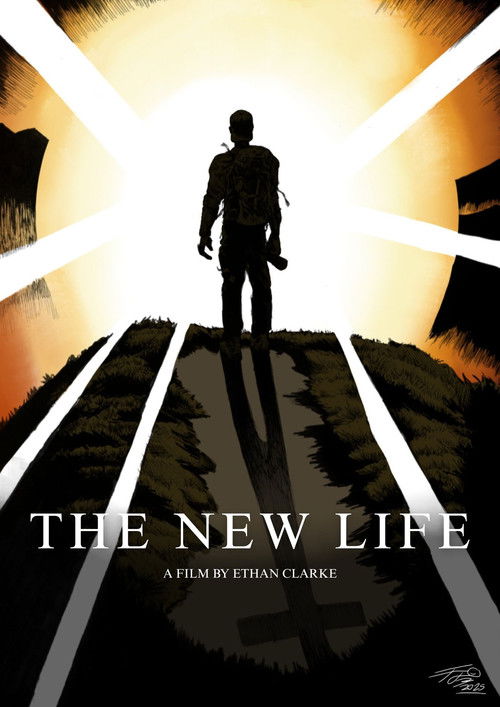
Travelling the French Alps at 17 while coming to terms with losing my dad. Exploring ideas of faith through difficult situations, and how bad times can bring out the good in our lives, documenting the journey after losing a parent to cancer and the importance of art and creativity in our lives. Using "The New Life" as a new way of defining grief, serving as the name given to the life we are forced to live after losing a loved one, and a christian name given to Heaven. It’s the similarity in all of our lives and the life that we go out of our way to live, in search of experiences, after it feels like all hope is lost. Why do we fall? It does, in fact, get better.
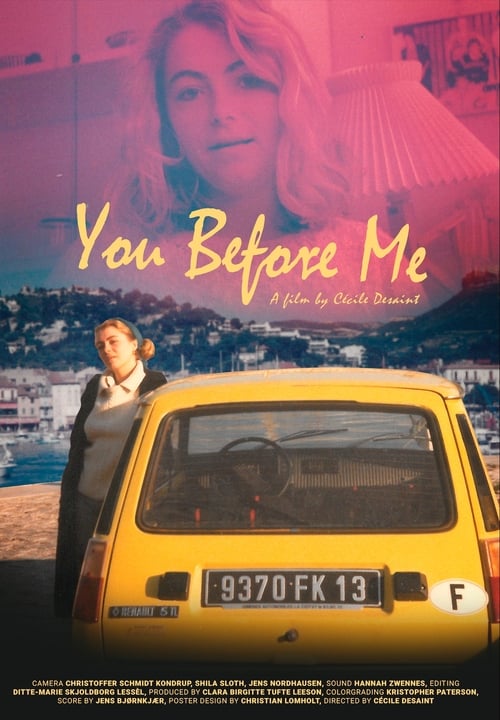
How well do we really know our parents? And their youth? Do we simply have a vague idea of who they are, and were, before they had us? Cécile embark on a quest to discover truths about her mother and her youth, truths that can't be found elsewhere, than right where it all happened. Southern France. The project is a self-inventory, and an attempt to understand the complexity of parenthood and the dynamics between mother and daughter.
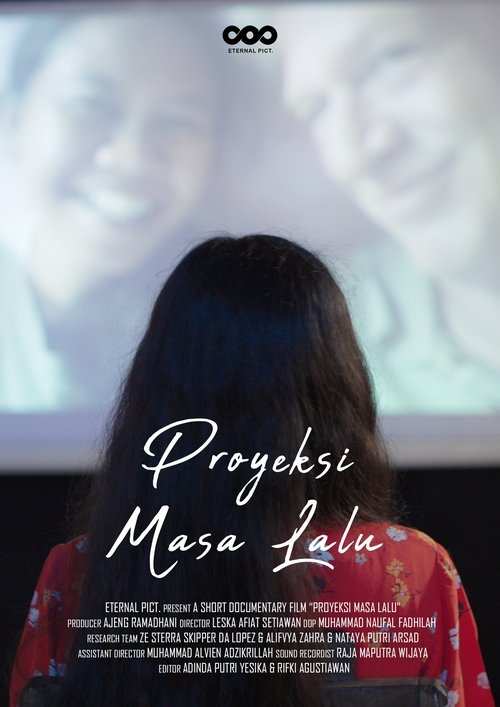
Kurnia, a 37-year-old woman, returns to face her past memories through projected images that bring both emotion and sorrow. On this journey, she recounts the stories of love, acceptance, separation, and regret that shaped who she is today. Remininsing her memories, Kurnia slowly finds the strength to let go of her attachment to the past and attain a sense of acceptance.
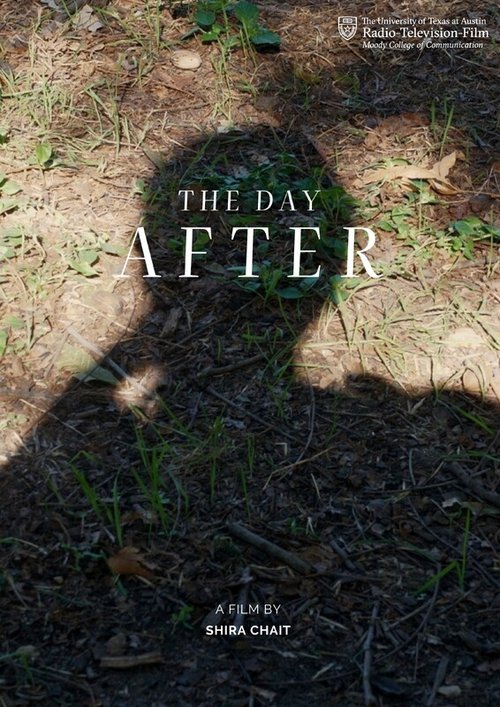

The film discusses the emotional aftermath of disasters, emphasizing the importance of expressing feelings and seeking help. It highlights personal experiences of individuals affected by hurricanes and earthquakes, focusing on their feelings of guilt, anxiety, and the need for support. The discussion underscores that sharing experiences can alleviate emotional pain and that professional help should be sought for those struggling to cope with trauma.
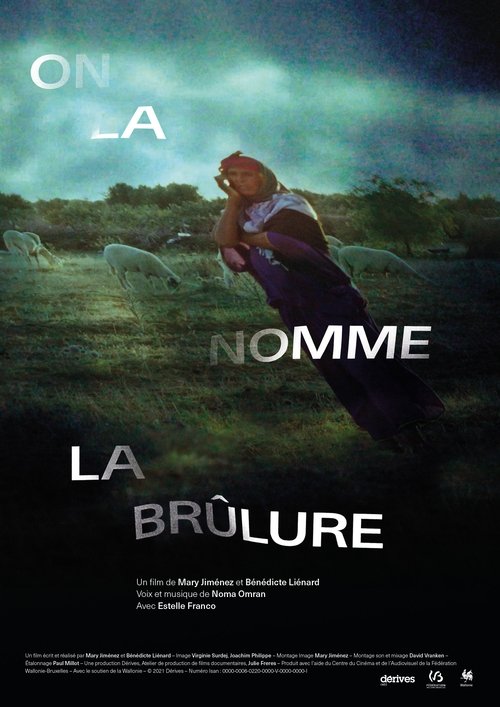
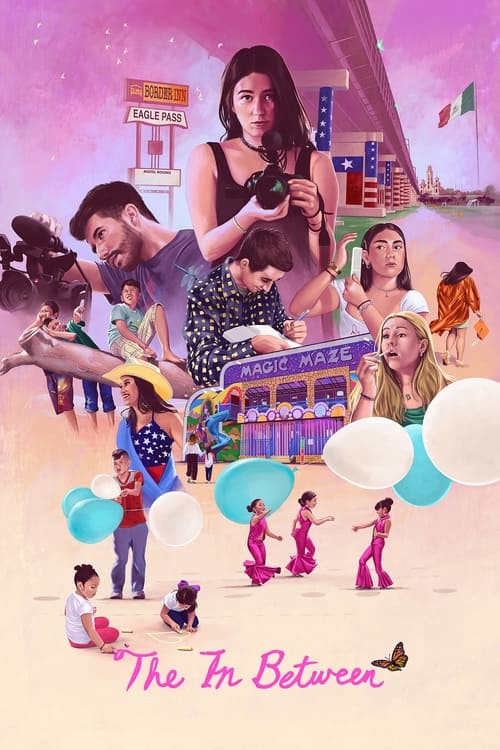
Following the death of her brother, filmmaker Robie Flores returns to her hometown Eagle Pass on the Texas/Mexico border, wanting to turn back time. She collides with unruly experiences of adolescence – quinceañeras, Rio Grande river excursions, teen makeovers and beyond – that invite her to soak up the details of the home her brother adored and she ignored. What emerges is a playful dance between a personal and collective coming-of-age portrait of kids on the border and Robie herself as she rediscovers the possibilities of joy in the aftermath of grief.