Loading titles…
Documentary / History
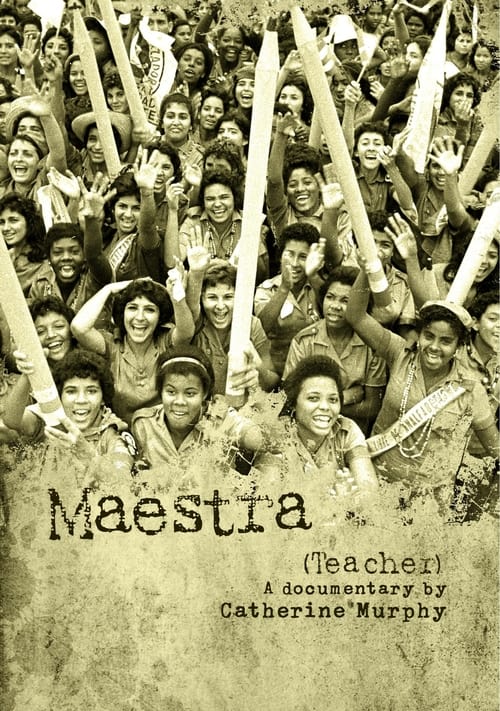
Cuba, 1961: 250,000 volunteers taught 700,000 people to read and write in one year. 100,000 of the teachers were under 18 years old. Over half were women. MAESTRA explores this story through the personal testimonies of the young women who went out to teach literacy in rural…
No cast information available.
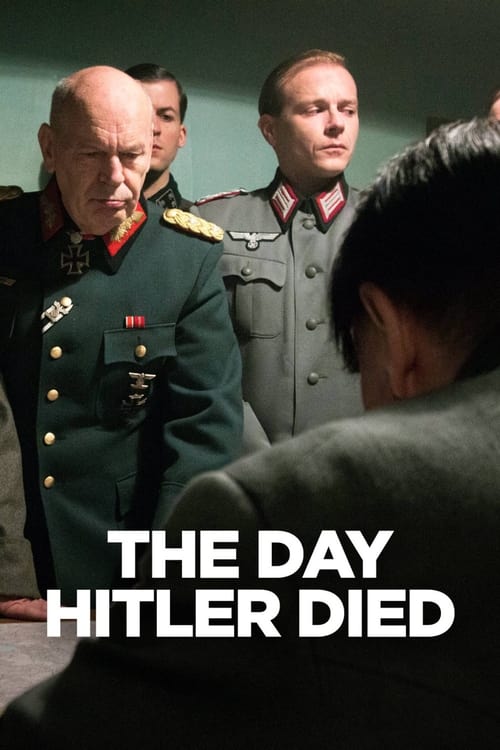
The story of Hitler’s final hours told by people who were there. This special features exclusive forgotten interviews, believed lost for 65 years, with members of Hitler’s inner circle who were trapped with him in his bunker as the Russians fought to take Berlin. These unique interviews from figures such as the leader of the Hitler Youth Artur Axmann and Hitler’s secretary Traudl Junge, have never before been seen outside Germany. Using rarely seen archive footage and dramatic reconstruction, this special tells the story of Adolf Hitler’s final days in his Berlin bunker.


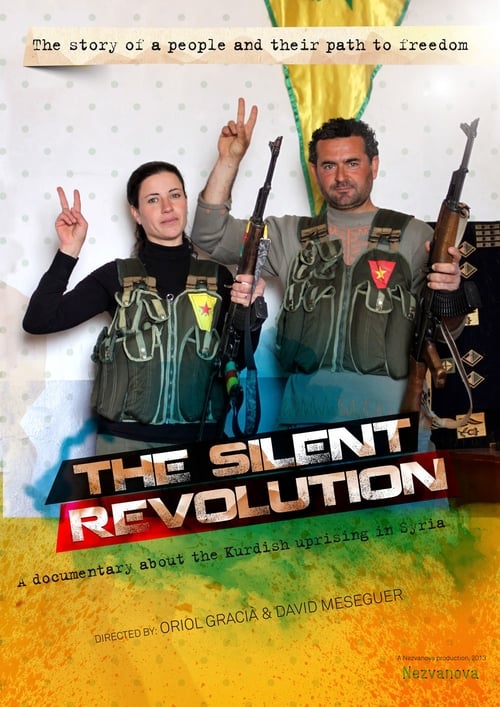
The documentary The Silent Revolution explains the revolution involving nearly 3 million kurds living in Syria. With the outbreak of the civil war —in the frame of the called ‘Arab Spring'— the Kurds of Syria have taken advantage of the context to fight for their political and cultural recognition and thus end the repression that started more than 50 years ago.
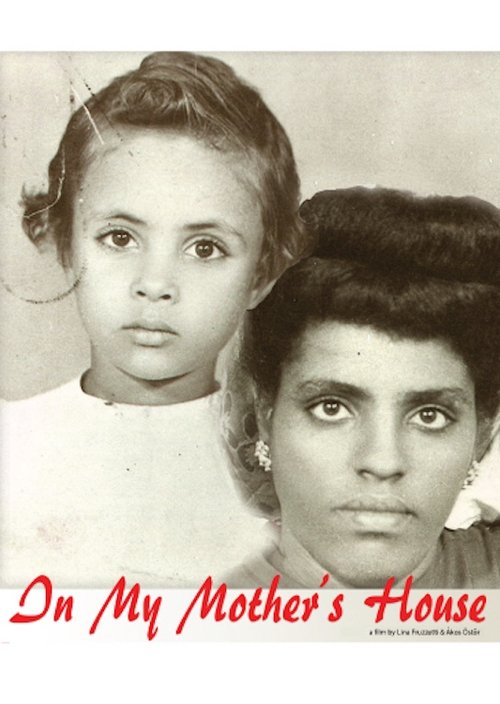
One day in 2005, Lina Fruzzetti receives a startling email that reads, "If this is your father, we are cousins." There follows a decade-long quest to learn more about her Italian father who died young in Italian ruled Eritrea and her Eritrean mother who does not dwell on the past. Above all, Fruzzetti strives to understand her far-flung African, European, and American family against the backdrop of colonial rule, worlds at war, migration, grief, diasporas, and the global world in which we all live.
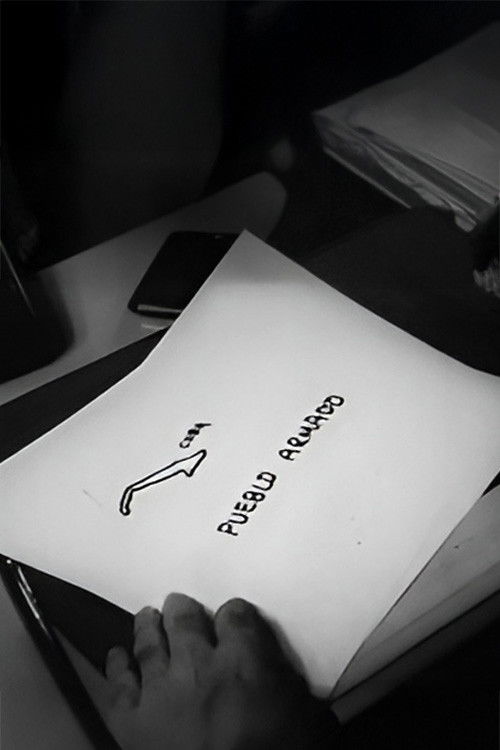
Shot in Cuba in 1961, this documentary follows a volunteer militia brigade organized in defense of the Cuban Revolution. Joris Ivens and his crew observe military training, daily life, and collective discipline among civilian volunteers. The film emphasizes popular mobilization as a defining feature of the revolutionary state.
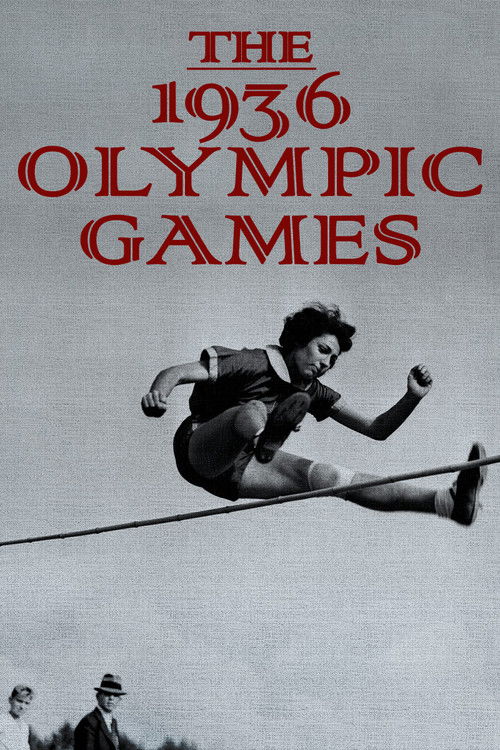
On the 1st August 1936, 100,000 spectators watched as Hitler and the Olympic delegates arrived at the Olympic opening ceremony in Berlin. The Olympic flags hung cheerfully side-by-side banners bearing the Nazi swastika. With the help of specialists and images from Léni Riefenstahl’s 1938 film, ‘Olympia’, we see what really went on behind the scenes and investigate the secret negotiations and compromises made by the International Olympic Committee to bring the Olympics to Berlin.