Loading titles…
Documentary
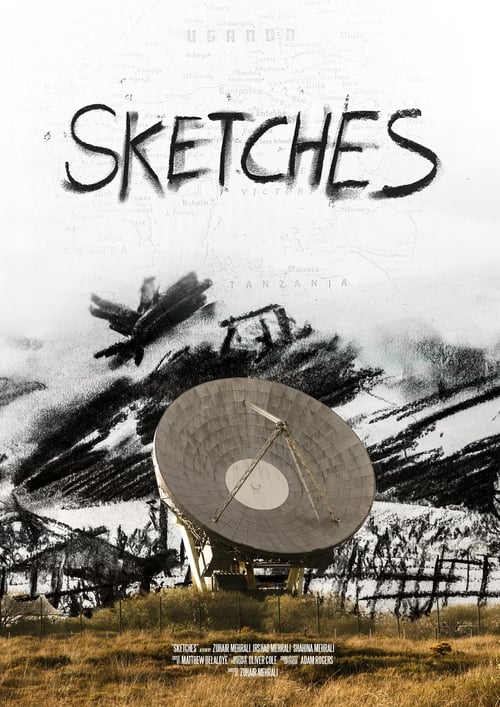
Mostly dark, rejecting images which are repeated. A stone wall, the chamber of a revolver which is, at first not recognizable, a close-up of a cactus. The duration of the takes emphasises the photographic character of the pictures, simultaneously with a crackling, brutal sound.…
No cast information available.
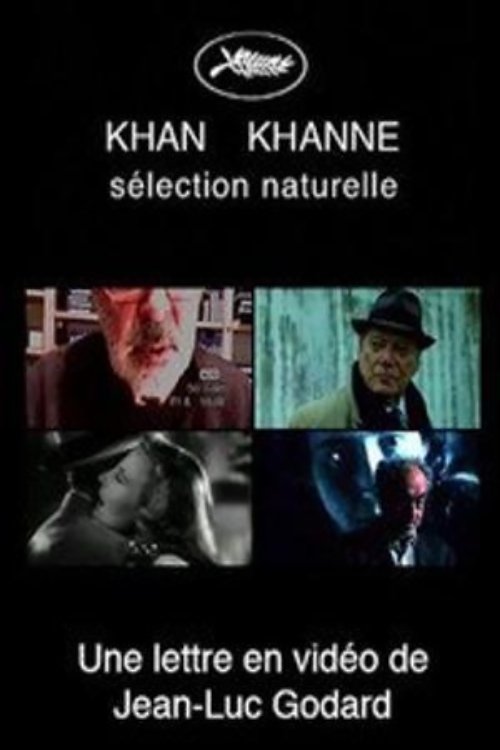
Rather than writing a simple letter to explain his absence from the press conference for his latest Cannes entry, "Goodbye to Language," at the Cannes Film Festival, instead, legendary filmmaker Jean-Luc Godard created a video "Letter in motion to (Cannes president) Gilles Jacob and (artistic director) Thierry Fremaux." The video intercuts from Godard speaking cryptically about his "path" to key scenes from Godard classics such as "Alphaville" and "King Lear" with Burgess Meredith and Molly Ringwald, and quotes poet Jacques Prevert and philosopher Hannah Arendt.

After Dan Brown's publishing phenomenon The Da Vinci Code was cleared of plagiarism charges, this documentary explores the climate which has permitted a fictional story to make such an effective challenge to conventional history that it has forced a counter-attack from the Church, the art world and academics. Has Brown cracked the most difficult code of all our 21st-century cultural DNA?
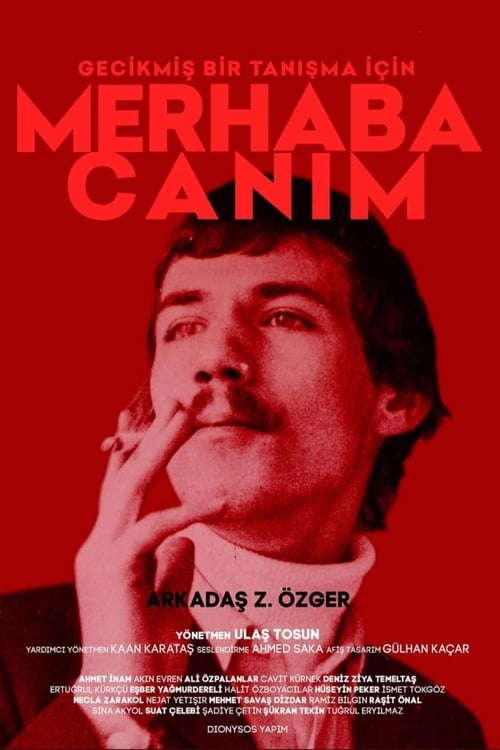
The documentary is titled after Arkadaş Z. Özger’s poem “Hello My Dear” which had caused much controversy in the period it was first published. Considered to be in defiance of heteronormativity, the said poem includes references to the poet’s personality, his family, his relationship to the society, and his “unexpected” death, which came three years after its publication. Today, 50 years after it was written, the documentary follows these same lines in the poem utilising cinematic elements. The documentary also rediscovers the poetics; reaches out to the family, the comrades, the friendships, departing from the official historical accounts, cognizant of his experience of otherness, in pursuit of the “lost” portrait of Arkadaş Z. Özger.

Frida Kahlo began to paint in 1925 while recovering from a streetcar accident that left her permanently disabled. Many of her 200 paintings directly relate to her experiences with physical pain. They also chronicle her turbulent relationship with artist Diego Rivera. Today Kahlo's work is critically and monetarily as prized as that of her male peers, sometimes more so.