
James Brown
Self (archive footage)
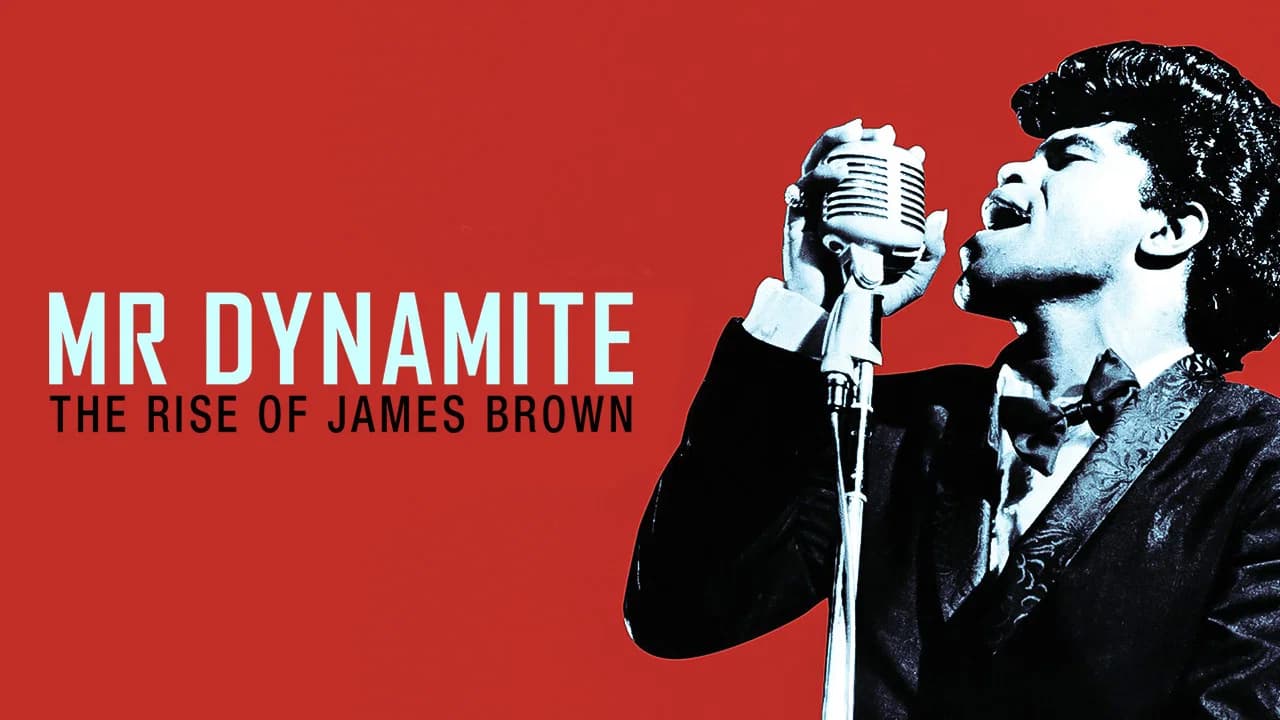
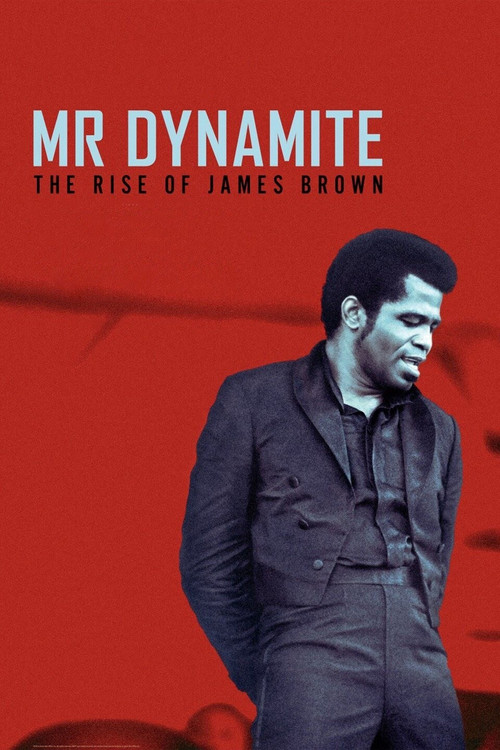
James Brown changed the face of American music forever. Abandoned by his parents at an early age, James Brown was a self-made man who became one of the most influential artists of the 20th century, not just through his music, but also as a social activist. Charting his journey…
Self (archive footage)
Self
Self
Self

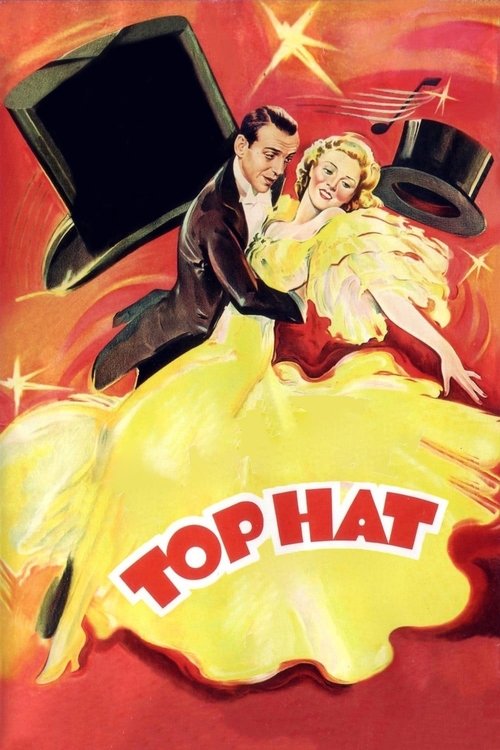
Showman Jerry Travers is working for producer Horace Hardwick in London. Jerry demonstrates his new dance steps late one night in Horace's hotel room, much to the annoyance of sleeping Dale Tremont below. She goes upstairs to complain and the two are immediately attracted to each other. Complications arise when Dale mistakes Jerry for Horace.
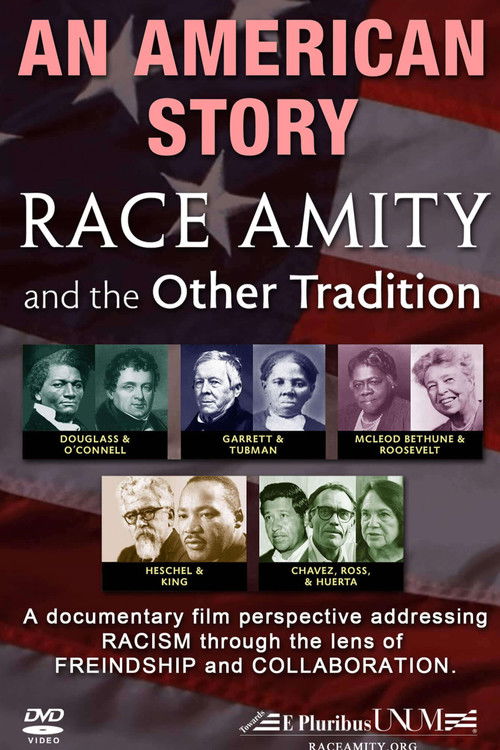
In contrast to the lens that focuses exclusively on the racist traditions that are rooted in America’s social history, the moral counterweight of close, loving, friendship and collaboration, which have always been present in our history, represents “the other tradition.” This “other tradition” is a source of inspiration and presents models of behavior that are instructional and include unknown and uncelebrated legacies to be absorbed and emulated across generations of present day Americans. The documentary discusses the “better in us” a needed collective perspective in the current climate of national disunity across racial, religious, and political lines. This has significant implications for addressing public issues from immigration to health care and the myriad of governmental, educational, business, and religious challenges that we must successfully meet to weave the fabric of unity which is indispensable to survival as a nation.
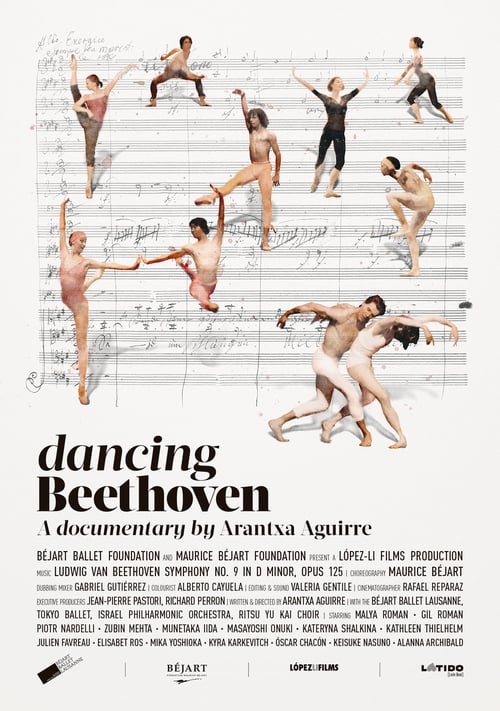
A journey through the preparation and hardworking process of ballet dancers and musicians for a unique spectacle in Tokio that Béjart choreographed with the Ninth symphony of Beethoven. Béjart ballet dances with Tokio ballet and the Philharmonic Orchestra of Israel. A marvellous combination of dancers movements and expression of different feelings along the four movements of the symphony with absolute elegance and strength.
Based on A Few Days Full of Trouble by Reverend Wheeler Parker, Jr. and Christopher Benson, the feature doc will explore two parallel tracks of the Till story. One set in motion by the last four years of an FBI investigation with details never before revealed, including significant new revelations of the case and its discoveries. The traumatic memory of Parker Jr., last surviving witness to the crime and Till’s cousin, drives that investigation. The second track is a deep immersion into the latest, proprietary findings, as high schoolers prepare for a reenactment of the murder trial of two of Till’s killers, Roy Bryant and J.W. Milam.

In early 1960s Toronto, a white, Anglo-centric city, an underground music scene emerged from the Jamaican diaspora, led by newcomers like Jackie Mittoo, Wayne McGhie, and a young Jay Douglas. Battling racism and indifference, they left a lasting but underrecognized mark on Canadian music and culture. Nearly 60 years later, Jay Douglas still champions Jamaican music and is finally receiving long-overdue recognition. Play It Loud is a feature documentary that tells the little-known story of how Jamaican music became a vital, unlikely part of Canadian culture. It traces a cultural migration that made Canada a global hub for Jamaican music - celebrated abroad but overlooked at home. Told through the life and music of beloved singer Jay Douglas, born Clive Pinnock in rural Jamaica, the film follows his journey from teen performer to enduring icon.

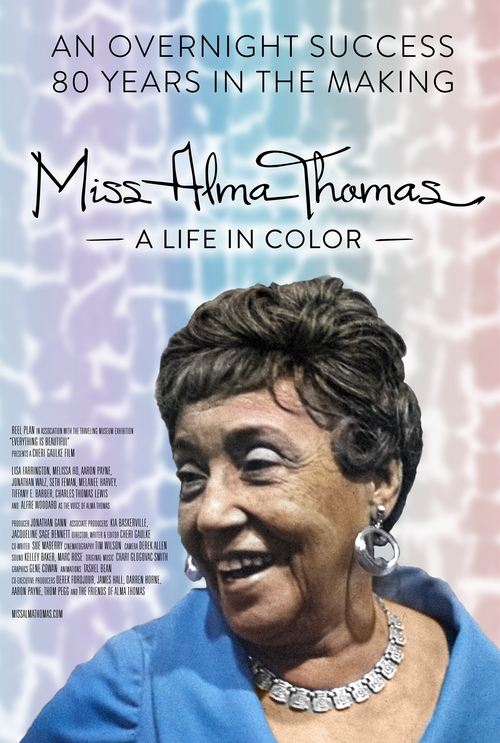
Alma W. Thomas lived a life of firsts: the first Fine Arts graduate of Howard University (1924), the first Black woman to mount a retrospective at the Whitney Museum of American Art (1972), and the first Black woman to have her paintings exhibited in the White House (2009). Yet she did not receive national attention until she was 80.
Self

Self

Self
Self

Self
Self

Self

Self