José Ángel de Juanes
José Ángel de Juanes
Self - Narrator (voice)
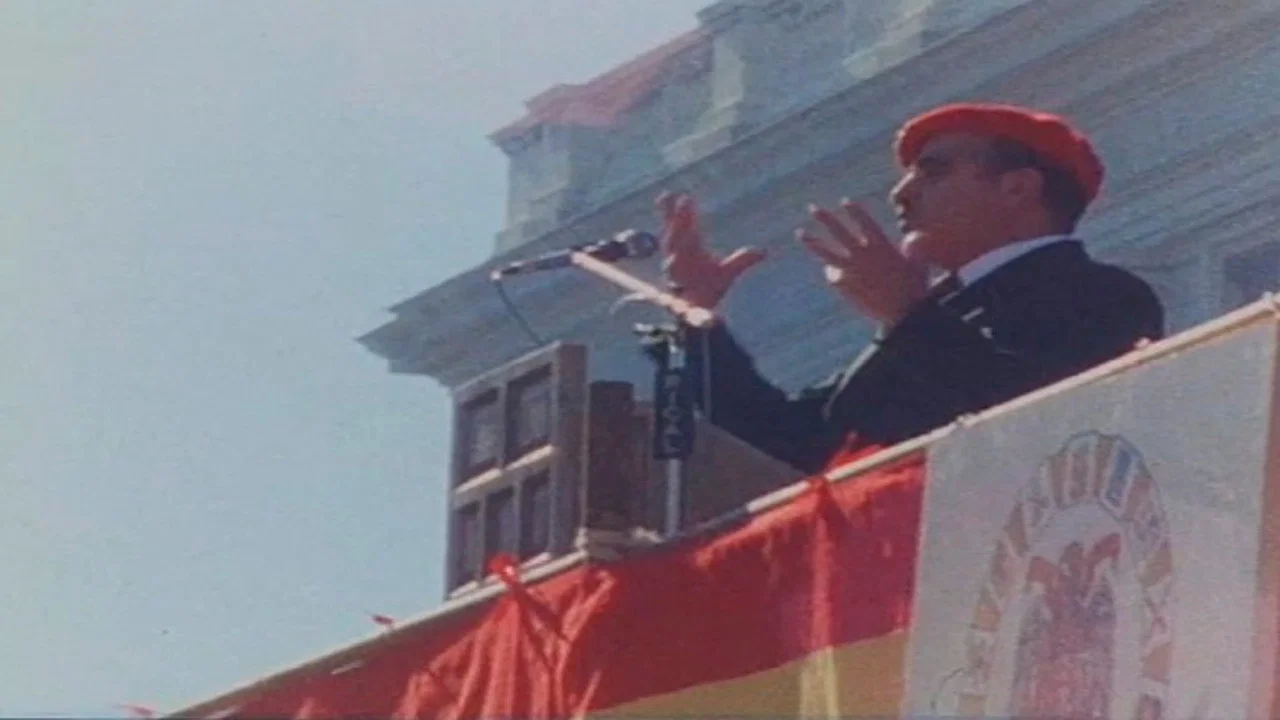
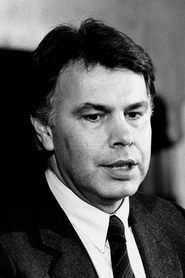
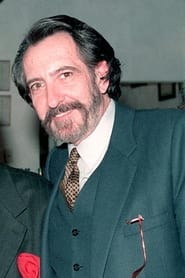
A history of the Spanish Transition told in first person by the main protagonists: on the one hand, the politicians, idealistic or merely opportunistic, who brought it to a successful conclusion in the tribunes and offices; on the other hand, the citizens who, in the streets,…
Self - Narrator (voice)
Self
Self

Self
Self

Self
Self

Self
Self
This documentary speaks to local activist groups in the music industry and culture scene to find out why people are driven to fight back and speak out on subjects they’re passionate about. With an aim of inspiring the next generation, each activist gives their advice on how you can put a cause you are passionate about in the local scene into action. Hope Lynes spoke to Phil Douglas from LGBTQIA+ organisation Curious Arts; grassroots promoter Hana Harrison from Art Mouse; Tracks' Sarah Wilson, who campaigns for better female representation in the music scene with her project Noisy Daughters; Chantal Herbert from feminist Black and queer-led organisation Sister Shack; and disability activist and musician Ruth Lyon. It’s hoped that this intimate and personal documentary will explore the starting points to beginning your own activism.
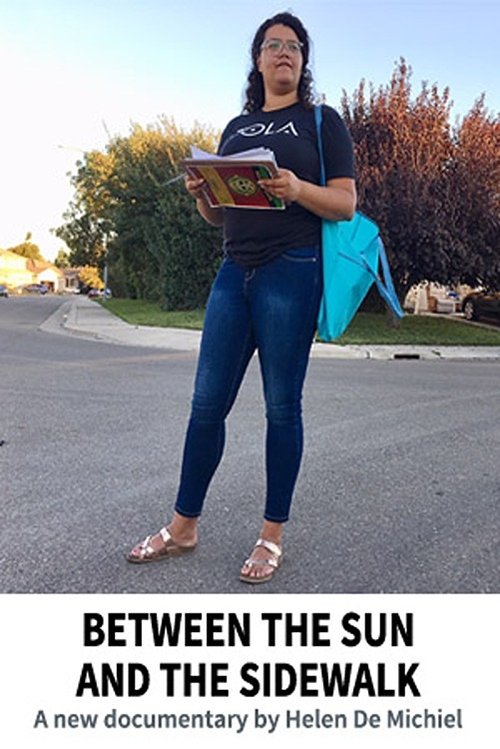
Christian Garcia, a fiercely dedicated Latino political organizer, leads a team of young people mobilizing their community for a soda tax. Tested during their fight for the right to vote, the young recruits dare to beat back the goliath soda industry and ignite a youth-powered movement for health equity and justice.
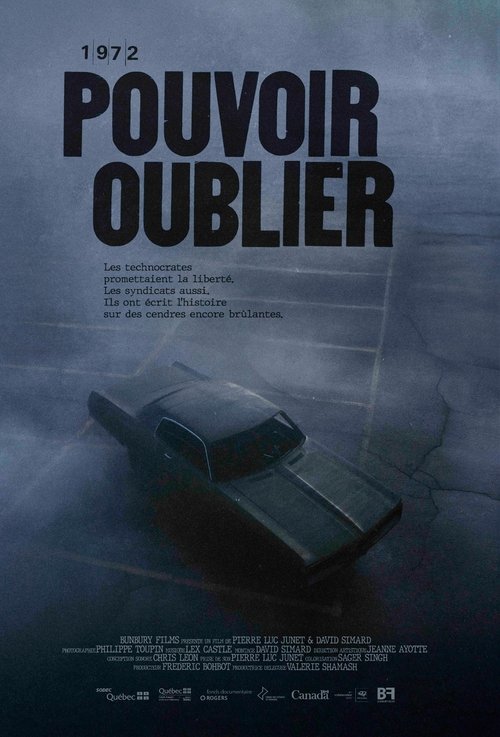
Pouvoir Oublier is a political documentary first constructed from the words of the speakers whose lives changed on the tragic day of May 10, 1972 in Sept-Îles. Their word will be juxtaposed with archival material from the events, some of which are unpublished, which will reflect the collective euphoria in which Sept-Îles and all of Quebec were then bathed.


Three strangers immersed in the world of camming come together to discuss its impact on young people. But their views are radically different. While one sees it as a respectable trade full of dedicated and liberated women, another sees it as a direct exploitation of the male libido. The third sees it as a haven for lonely people like himself to reconnect with the intimacy that’s missing from their lives. What they don’t know is that they all have one person in common – and she’s watching the conversation from the next room. Bex is a curvy cam model, and she’s witnessing their unfiltered feelings about her and the industry unfold. Filled with passionate debates, disagreements, humour and revelation, will our common people unite? Or will their revelations polarise them further?
In the months leading up to, and days following Ireland’s historic referendum to repeal the eighth amendment, investigative journalist Ellie Flynn follows the story of the landmark vote to legalise abortion. Ahead of the referendum, Ellie travels to Ireland to meet activists and campaigners from both sides of the debate to try and understand the impact of the Law for young Irish voters and discovers that this incredibly divisive and emotionally charged issue is not as black and white as it seems. She meets a young ‘No’ vote campaigner who believes he's only alive because the amendment stopped his mother from aborting him in her youth and speaks to a woman who made the tragic decision to travel to the UK to abort her much wanted daughter after discovering she would be in extreme pain for the few moments she was likely to survive. On May 25th, Ireland voted Yes to the constitutional amendment to legalise abortion and Ellie returned to discuss the reaction.

The chronicle of the mind-blowing journey that was Hollywood during the seventies; the true and gripping story of the last golden age of American cinema, an exalted celebration of creativity and experimentation; but also of sex, drugs and rock 'n' roll: a turbulent and dark tale of ambition, envy, betrayal, hatred and self-destruction.
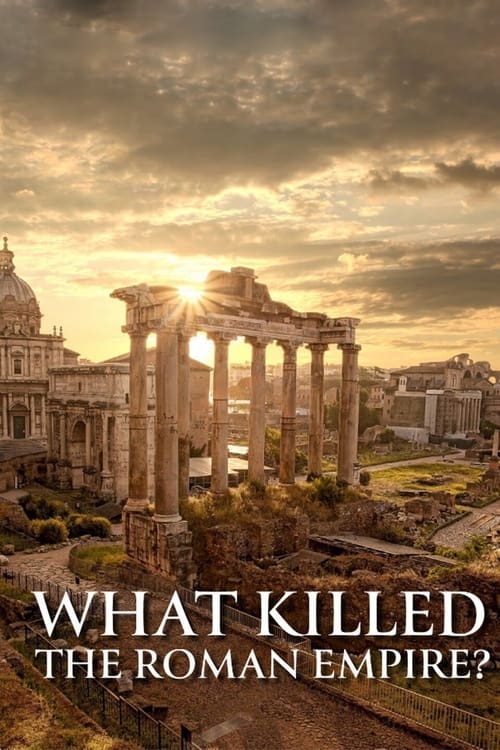
Why did the Roman Empire, which dominated Europe and the Mediterranean for five centuries, inexorably weaken until it disappeared? Archaeologists, specialists in ancient pathologies and climate historians are now accumulating clues converging on the same factors: a powerful cooling and pandemics. A disease, whose symptoms described by the Greek physician Galen are reminiscent of those of smallpox, struck Rome in 167, soon devastating its army. At the same time, a sudden climatic disorder that was underway as far as Eurasia caused agricultural yields to plummet and led to the westward migration of the Huns. Plagued by economic and military difficulties, attacked from all sides by barbarian tribes, the Roman edifice gradually cracked.
Self
Self

Self