Loading titles…
The film depicts one of the great hunts the South Sea Islanders. Come schools of fish in one of the bays on the island, so hurry on an alarm signal all the people out to sea to seal off the bay to drive the fish towards the coast and to impose there with spears.
No cast information available.
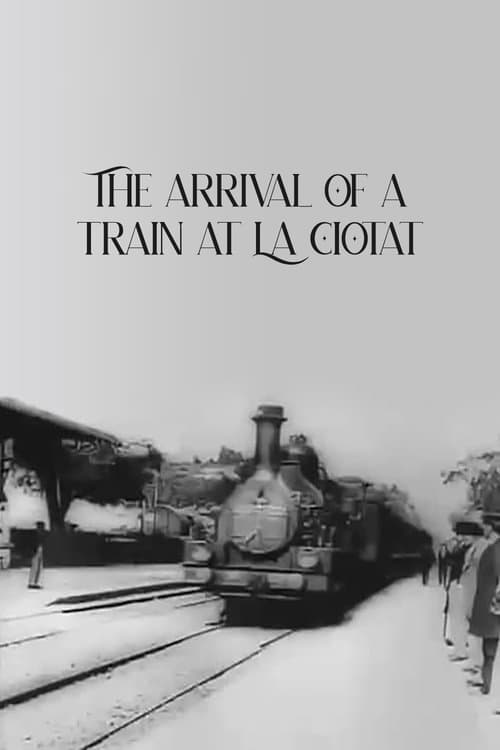
A group of people are standing along the platform of a railway station in La Ciotat, waiting for a train. One is seen coming, at some distance, and eventually stops at the platform. Doors of the railway-cars open and attendants help passengers off and on. Popular legend has it that, when this film was shown, the first-night audience fled the café in terror, fearing being run over by the "approaching" train. This legend has since been identified as promotional embellishment, though there is evidence to suggest that people were astounded at the capabilities of the Lumières' cinématographe.


Juskatla weaves together perspectives of the people who live on the islands of Haida Gwaii-an archipelago on Canada's Northwest coast, and the ancestral territories of the Haida Nation. From industrial loggers who harvest trees from ancient forests, to Sphenia Jones, a Haida matriarch who bears an intimate knowledge of her People's territories, Juskatla meditates on the divergent ways of being that shape the islands and its people.

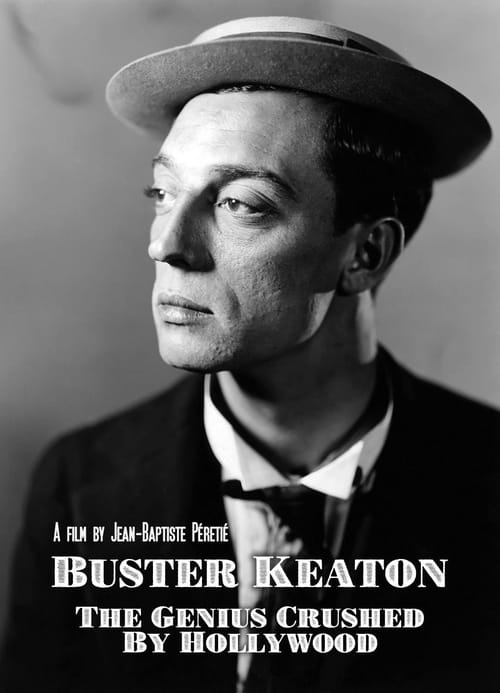
In 1926, Buster Keaton was at the peak of his glory and wealth. By 1933, he had reached rock bottom. How, in the space of a few years, did this uncontested genius of silent films, go from the status of being a widely-worshipped star to an alcoholic and solitary fallen idol? With a spotlight on the 7 years during which his life changed, using extracts of Keaton’s films as magnifying mirrors, the documentary recounts the dramatic life of this creative genius and the Hollywood studios.
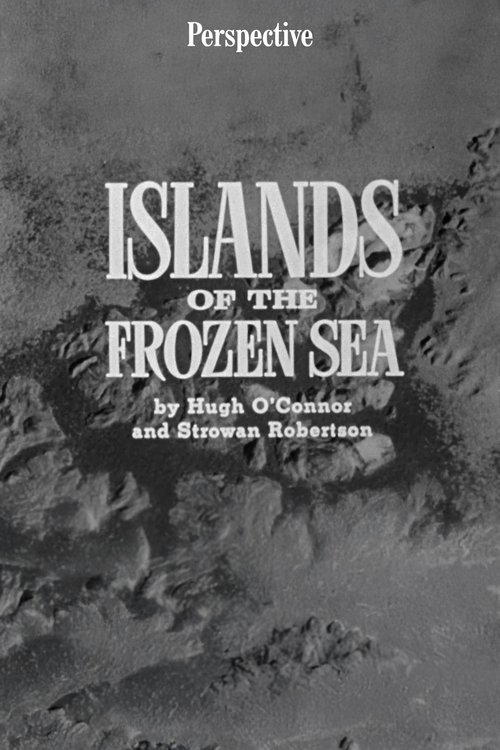
This short documentary offers a look at the life forms on the Queen Elizabeth Islands within the Arctic Circle. Even in this frigid zone of icebergs and glaciers a surprising variety of wildlife and vegetation is seen. Writings from the logbooks of early explorers provide vivid descriptions of scenes as arresting to them in their century as to today's explorer. Note: Originally produced for the television series Perspective, this film was distributed separately on 16mm for schools and libraries, qualifying it as a standalone documentary.
The Flight of the Condor traces the global circulation of the melody “El Condor Pasa”: from the Andes mountains to global metropoles; from Lima to Paris to New York, and back; from panpipes to piano and from symphony orchestras to the disco; from indigenous to popular music; and from world music back to national heritage.