
Loading titles…
Narrator

Lenin
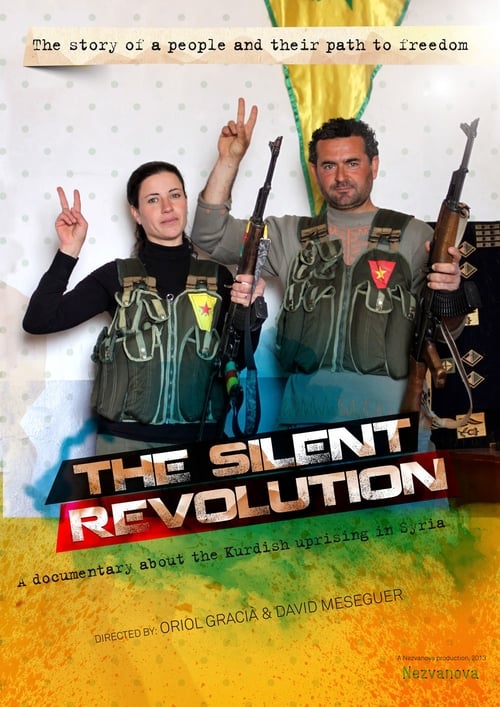
The documentary The Silent Revolution explains the revolution involving nearly 3 million kurds living in Syria. With the outbreak of the civil war —in the frame of the called ‘Arab Spring'— the Kurds of Syria have taken advantage of the context to fight for their political and cultural recognition and thus end the repression that started more than 50 years ago.
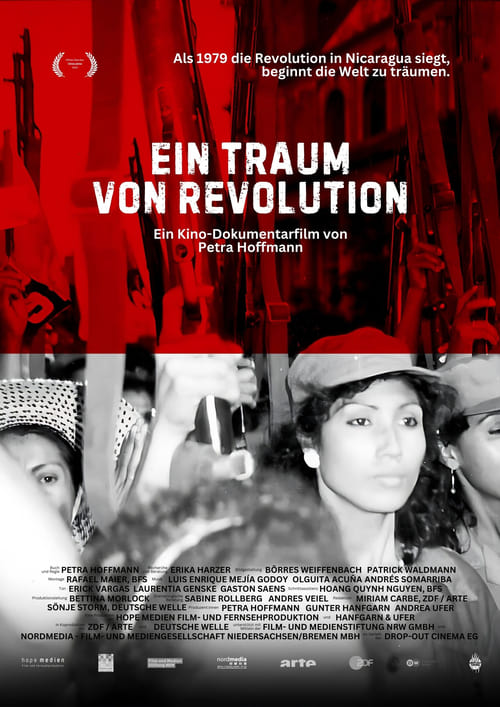
When the revolution in Nicaragua won its victory nearly 40 years ago, the world began to dream. A young generation was taking the reins in a country of grand utopias. From West Germany alone, 15,000 “brigadists” travelled to help rebuild the war-torn country: liberals, greens, unionists, social democrats, leftists and church representatives harvested coffee and cotton, built schools, kindergartens and hospital wards. No movement has mobilised so many people. What became of the hopes and dreams of the revolutionaries and their supporters?
Street art, creativity and revolution collide in this beautifully shot film about art’s ability to create change. The story opens on the politically charged Thailand/Burma border at the first school teaching street art as a form of non-violent struggle. The film follows two young girls (Romi & Yi-Yi) who have escaped 50 years of civil war in Burma to pursue an arts education in Thailand. Under the threat of imprisonment and torture, the girls use spray paint and stencils to create images in public spaces to let people know the truth behind Burma's transition toward "artificial democracy." Eighty-two hundred miles away, artist Shepard Fairey is painting a 30’ mural of a Burmese monk for the same reasons and in support of the students' struggle in Burma. As these stories are inter-cut, the film connects these seemingly unrelated characters around the concept of using art as a weapon for change.
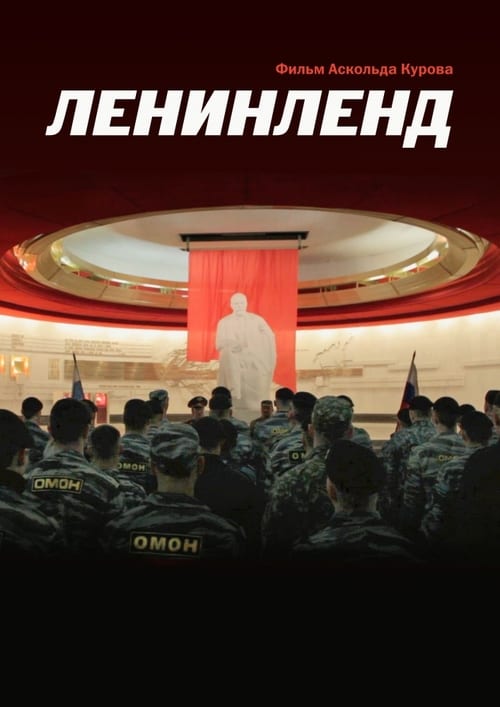
At the peak of Perestroika, in 1987, in the village of Gorki, where Lenin spent his last years, after a long construction, the last and most grandiose museum of the Leader was opened. Soon after the opening, the ideology changed, and the flow of pilgrims gradually dried up. Despite this, the museum still works and the management is looking for ways to attract visitors. Faithful to the Lenin keepers of the museum as they can resist the onset of commercialization. The film tells about the modern life of this amazing museum-reserve and its employees.
A thirty-minute High Definition documentary which revisits that winter of 1779-80 when Washington’s troops arrived at the densely-wooded area just south of Morristown known as Jockey Hollow, to build a log hut city for their winter camp. The film is an eye-opening look at how the camp saved the army – and the American Revolution – from the brink of disaster. Based on John T. Cunningham’s book The Uncertain Revolution and shot on location at Morristown National Historical Park, Morristown: Where America Survived is narrated by award-winning actor Edward Herrmann, who has voiced many history documentaries over his extensive career. The program was produced by New Jersey Network.
