Rick Guidotti
Rick Guidotti
Himself
Sarah Kanney races motocross, hiding a port wine birthmark under her helmet. Jayne Waithera's mother abandoned her over a genetic condition that makes her a pariah. Enter Rick Guidotti, a top fashion photographer, who will transform the way both women see themselves, irrefutably…
Himself
Herself
Herself
Herself
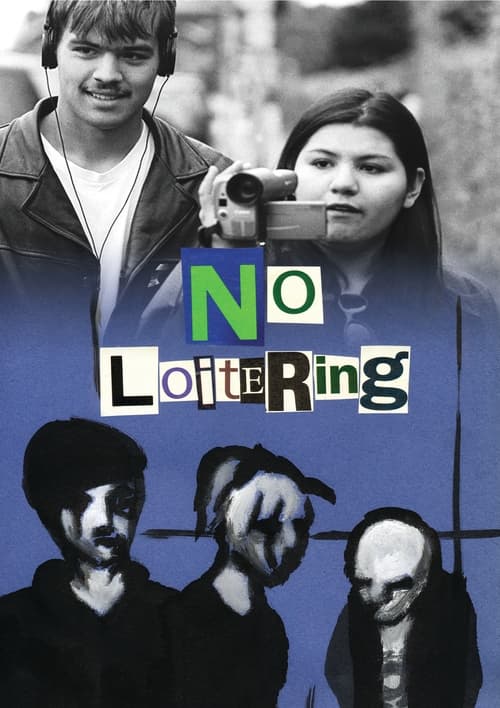
An intimate portrait of teenagers trying to understand their world and their possibilities. The film weaves together video shot by teens and by the filmmaker, as they work together to make a film and create expressive outlets for youth in the community. They organize dances and community events and paint a mural. At the same time, with humor and pathos, these young people raise issues around violence, feeling misunderstood by adults and lacking respect in their community. Set in the small town of Sitka, Alaska, home to a large Alaska Native population, the video chronicles their creativity, concerns and dreams.
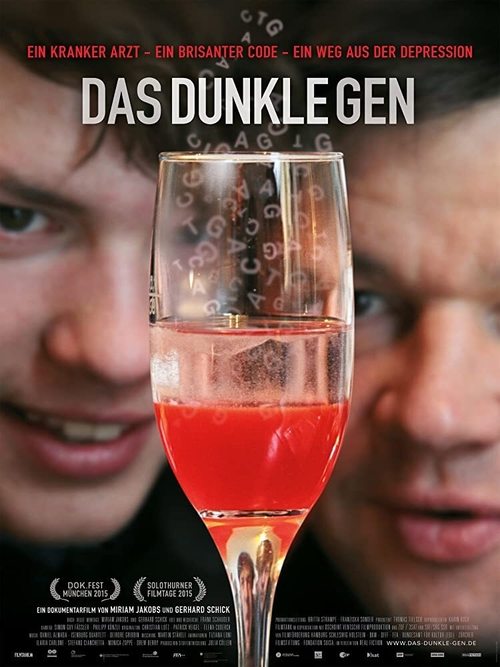
The film tells a very personal story from two perspectives: our protagonist is both doctor and patient. As a patient, he has struggled with recurring depression for years, and as a doctor he wants to find out why. The search for the origins of his illness leads him into the realm of his own genes and casts light on the fundamental changes facing modern society as a result of the tremendous progress being made in the field of genetic sequencing. Along the way, he meets a host of people – researchers, artists, visionaries – who have developed their own very individual approach to genetic coding and are drawing attention to the social significance of genetic technology. The film does not restrict itself to a scientific view of the subject but also makes use of artistic visions and more playful approaches to genetic blueprints.

In the 1970s, five men struggling with being gay in their Evangelical church started a bible study to help each other leave the "homosexual lifestyle." They quickly received over 25,000 letters from people asking for help and formalized as Exodus International, the largest and most controversial conversion therapy organization in the world. But leaders struggled with a secret: their own “same-sex attractions” never went away. After years as Christian superstars in the religious right, many of these men and women have come out as LGBTQ, disavowing the very movement they helped start. Focusing on the dramatic journeys of former conversion therapy leaders, current members, and a survivor, PRAY AWAY chronicles the “ex gay" movement’s rise to power, persistent influence, and the profound harm it causes.
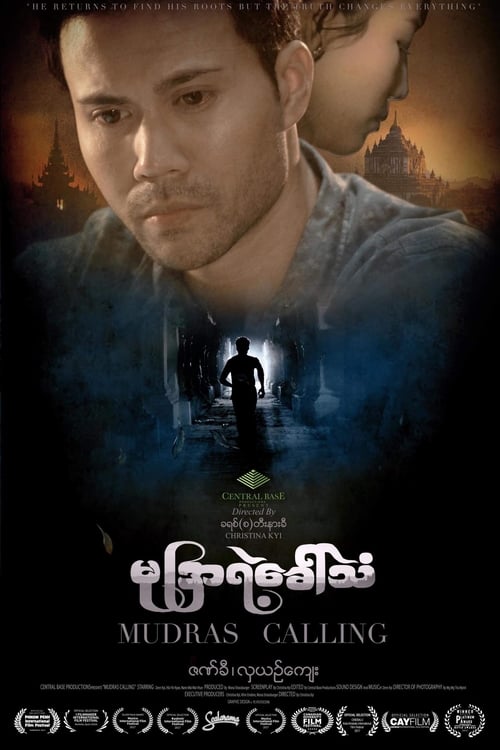
Six days. Three frontiers. One amazing lab. From 2010 to 2012, a film crew followed a group of scientists at the Department of Energy's Fermilab and filmed them at work and at home. This 40-minute documentary shows the diversity of the people, research and work at Fermilab. Viewers catch a true behind-the-scenes look of the United States' premier particle physics laboratory while scientists explain why their research is important to them and the world. Scientists included: Brendan Casey, Herman White, Craig Hogan, Denton Morris, Mary Convery, Bonnie Fleming, Deborah Harris, Dave Schmitz, Brenna Flaugher and Aron Soha.


Through oral histories, archival footage, photographs, and songs associated with the movement, "The Wobblies" tells the story of the Industrial Workers of the World, the radical union founded in Chicago in 1905 to organize workers across trades. Featuring interviews with aging Wobbly members alongside historical materials from early twentieth-century labor struggles, the film explores the union’s role in strikes, worker activism, and the broader fight for labor rights in the United States.

Love them or hate them, the Yankees dominated baseball for more than four decades, then sagged under ownership by CBS until a 42-year-old shipbuilder named George Steinbrenner led a purchase of the team in 1973. He turned that $10m investment into a billion-dollar business, and the 'House that Ruth Built' inspired generations of fans. Deteriorating facilities and changing revenue streams inspired Steinbrenner to build an impressive new stadium marking the end of one grand era and the beginning - perhaps - of another.
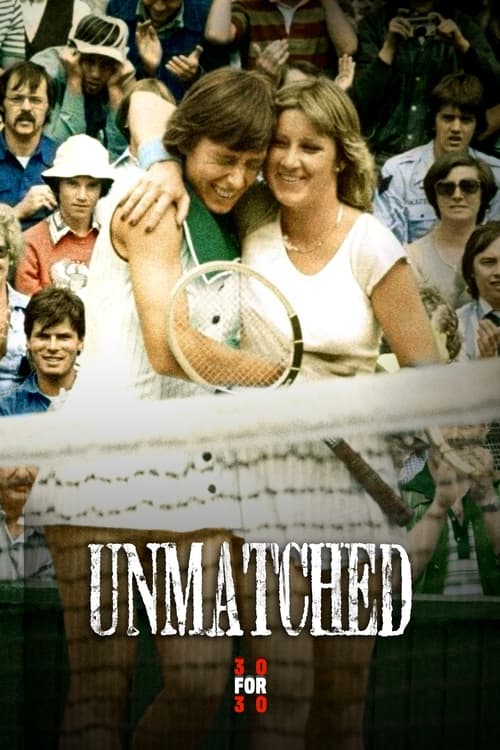
The first time Chris Evert and Martina Navratilova stepped onto a tennis court together, the world scarcely noticed. Only a few hundred spectators saw the pert 18-year-old beat the scrappy 16-year-old Czech in 1973. “I remember that she was fat,” Evert recalled. “She was very emotional on the court, whining if she didn't feel she was playing well. But I remember thinking, if she loses weight, we’re all in trouble.” Said Navratilova, “My goal was for her to remember my name.” Eighty matches later – amid the extraordinary growth of women’s tennis – Evert not only remembered, but became a tried and true friend and confidante, remarkable considering the two appeared to be polar opposites in upbringing, life styles and personal relationships. Through a series of personal conversations, this documentary will tell the story of one of the greatest one-on-one sports rivalries and capture these two extraordinary athletes’ views on tennis and an ever-changing world.