Loading titles…
Documentary / History
A deep investigation, in the way of a poetic essay, on one of the main Latin American movements in cinema, analyzed via the thoughts of its main authors, who invented, in the early 1960s, a new way of making movies in Brazil, with a political attitude, always near to people's…

Self - Filmmaker (archive footage)
Self - Filmmaker (archive footage)
Self - Filmmaker (archive footage)
Self - Filmmaker (archive footage)

Self - Filmmaker (archive footage)
Self - Filmmaker (archive footage)
Self - Filmmaker (archive footage)
Self - Film Producer (archive footage)
Self - Filmmaker (archive footage)
Self - Filmmaker (archive footage)
Self - Filmmaker (archive footage)
Self - Filmmaker (archive footage)

In the early nineties, before the massive gentrification of many of New York's then slums, several young people from very disparate backgrounds left their broken homes and ventured onto the brutal streets of the city. United by their love of skateboarding, they formed a family and built a unique lifestyle that eventually inspired Kids, a groundbreaking and outrageous film directed by photographer Larry Clark and released in 1995.

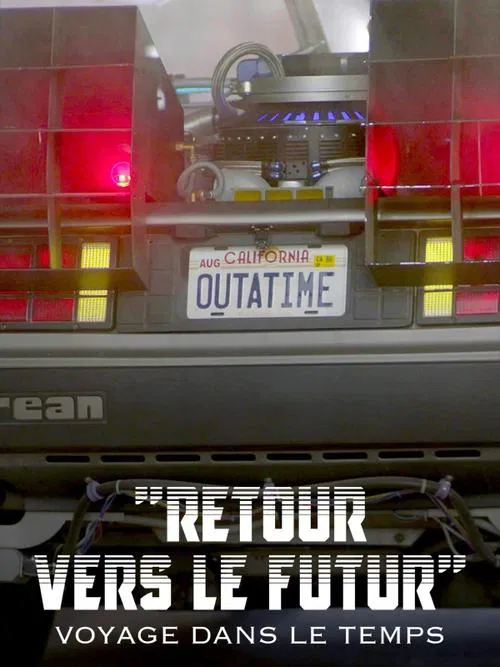
The script of "Back to the Future" was one of the most refused of Hollywood: more than forty times. No producer believed in this project of Robert Zemeckis and Bob Gale. Steven Spielberg imposed the film on Universal Studios, with Gale signing the script and Zemeckis directing. The director of "Jaws" will not regret it. In 1985, "Back to the Future" pulverized the box office and became a worldwide success, reinforced by two sequels in 1989 and 1990. Decade after decade, the popularity of this trilogy does not falter. Why this longevity while so many blockbusters sink into oblivion?

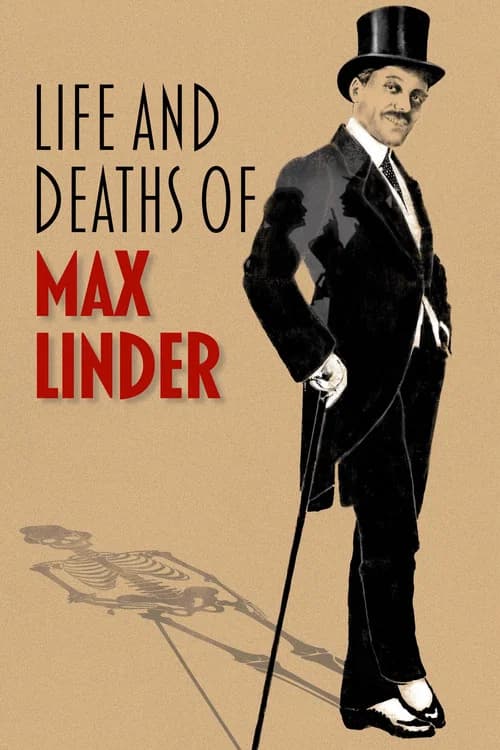
In 1908, amateur naturalist and pioneering filmmaker Percy Smith stunned early cinema goers with his footage of the juggling fly. Hailed as the father of Natural History film, Smith was a hugely influential visual pioneer, inventing many techniques that are still used today. Being both a genius and an eccentric, we follow his life from his earliest films, to the collapse of his house from his mould experiment to his ultimate suicide. We also meet Natural History icon Sir David Attenborough, who was so amazed by Smith’s films in the 1930s that they inspired him to get into natural history.
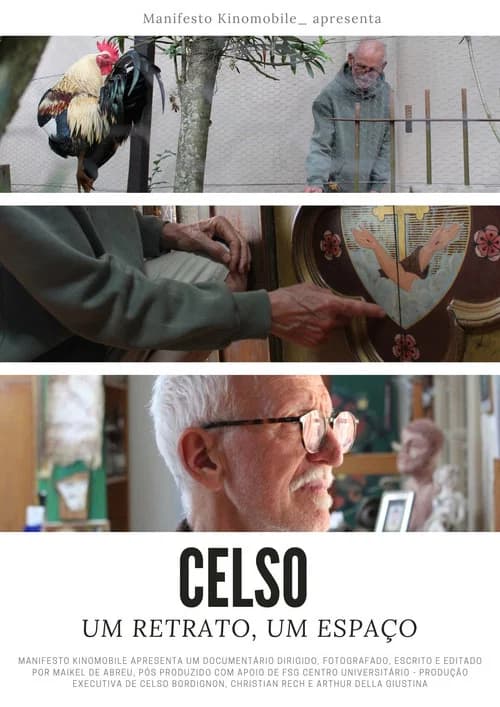
"Celso: a portrait, a place" is a documentary that emerges from a year of sporadic visits by the documentary filmmaker (until then a convinced agnostic) to the Capuchin complex, a block that is, among other things, a place to preserve the memory of the Capuchin friars in the Serra Gaúcha, southern Brazil. The daily life of the space and the ramblings of the charismatic friar and artist Celso Bordignon are interspersed in an attempt to contemplate aspects of religious life, art, and the awareness of the nuances of the action of time on matter, body and spirit.

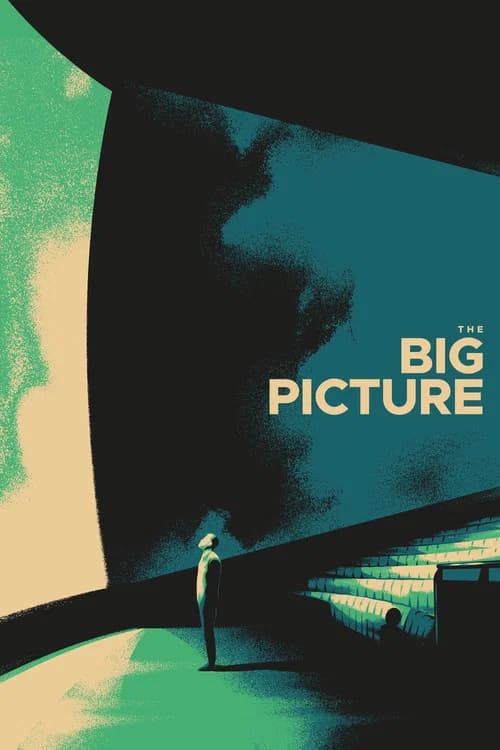
The Big Picture uncovers the untold story of a state-of-the-art cinema quietly forgotten in the center of Bristol, a vibrant UK city known for its countercultural spirit. Once a cutting-edge IMAX theatre, the building was abandoned for over a decade—until a collective of cinephiles reclaimed it. Blending DIY ingenuity with punk ethos, they’ve transformed a forgotten relic into the beating heart of a grassroots cinema movement—reviving not just a building, but a shared vision of what cinema can be.
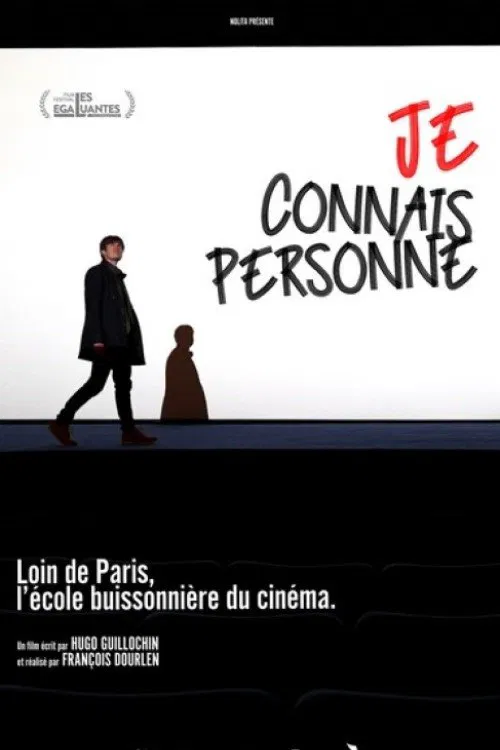
Since he was a child, Estèphe dreams to work in the movie industry, alongside those whom he watches films with passion. Cinema become quickly a leisure activity, spend with his friends, directing his first amateur movies. Could he dream bigger, growing up in Normandy, far from the studios and knowing nobody in this industry ? Estème dedicate himself to his studies, without lose sight of his ultimate dream.