Loading titles…
Cast
Cast
Cast
Cast
Cast
Cast
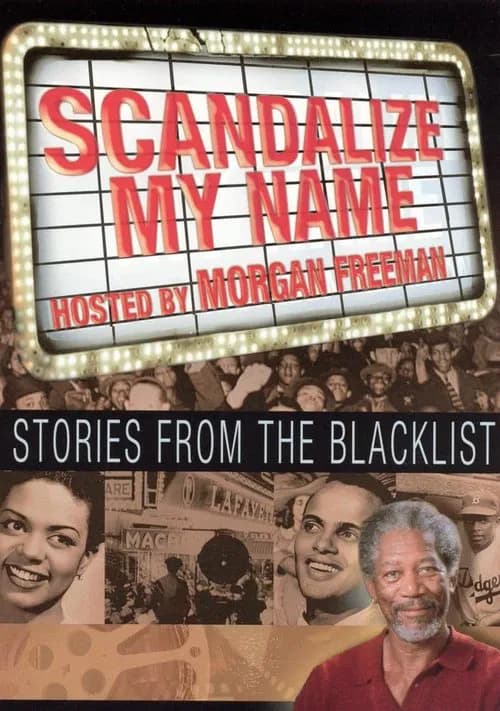
A look at the confluence of the Red Scare, McCarthyism, and blacklists with the post-war activism by African Americans seeking more and better roles on radio, television, and stage. It begins in Harlem, measures the impact of Paul Robeson and the campaign to bring him down, looks at the role of HUAC, J. Edgar Hoover and of journalists such as Ed Sullivan, and ends with a tribute to Canada Lee. Throughout are interviews with men and women who were there, including Dick Campbell of the Rose McLendon Players and Fredrick O'Neal of the American Negro Theatre. In the 1940s and 1950s, anti-Communism was one more tool to maintain Jim Crow and to keep down African-Americans.
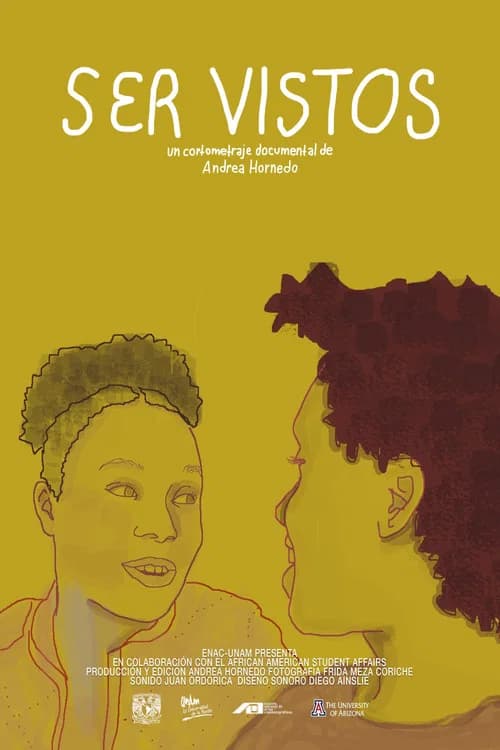

Shawn Huff and Ervin Latimer Jr. are the children of African-American basketball players Leon Huff and Ervin Latimer Sr. who arrived in Finland in the 1970s. They have grown up to become Finnish social and political influencers through their fathers' perseverance, ambition and the societal racism that has been passed down through the generations to their sons. The sons channel the experiences of their silent fathers into action and both generations fight for a more equal world.

The little-known story of a deadly race massacre and carefully orchestrated insurrection in North Carolina’s largest city in 1898 — the only coup d’état in the history of the US. Stoking fears of 'Negro Rule', self-described white supremacists used intimidation and violence to destroy Black political and economic power and overthrow Wilmington’s democratically-elected, multi-racial government. Black residents were murdered and thousands were banished. The story of what happened in Wilmington was suppressed for decades until descendants and scholars began to investigate. Today, many of those descendants — Black and white — seek the truth about this intentionally buried history.

Bestselling author and influential filmmaker Dinesh D’Souza reveals the sordid truth about Hillary Clinton and the secret history of the Democratic Party. This important and controversial film releases at a critical time leading up to the 2016 Presidential campaign and challenges the state of American politics.

The decades-long debate surrounding reparations is fraught, mired in racial tension and the semantics of restorative justice. While the national conversation remains stalled due to legislative inaction, communities across the country examine their histories and take it upon themselves to arrange their own form of reparations. This detailed investigation of restitution presents accounts of everyday people confronting the past and exploring the possibilities of wealth transfer.

On August 29, 1970 in East Los Angeles, a peaceful march of over 20,000 Chicanas/os, united in protest against the Vietnam War as part of the National Chicano Moratorium movement, was violently interrupted by an extreme, unjustifiable response by law enforcement. The tragic events of that day left four dead. Chicano Moratorium: A Question of Freedom is a harrowing, eyewitness documentary of the events of August 29, 1970 and their immediate aftermath, including the murder of Chicano journalist, Ruben Salazar. In contrast to biased TV news reports of the period, this student-made short offers an impassioned, unvarnished community account of the unrest and violence unleashed by the Los Angeles Sheriff’s Department in response to the otherwise peaceful march in protest of disproportionate Chicano casualties in the Vietnam War.
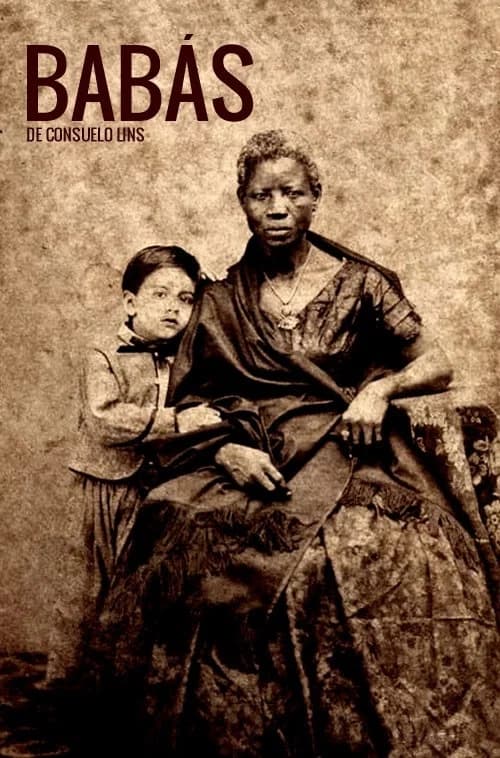
Nannies combines autobiographical elements with a reflection on the presence of nannies in Brazil. With a subjective narration, the film incorporates photographs, domestic footage and newspaper adds from the 20th century, as well as contemporary images of nannies and children, building a personal narrative about the presence of nannies in the daily lives of many Brazilian families. A situation where the affection is genuine, but does not dissolve violence and racism.