Loading titles…
Documentary
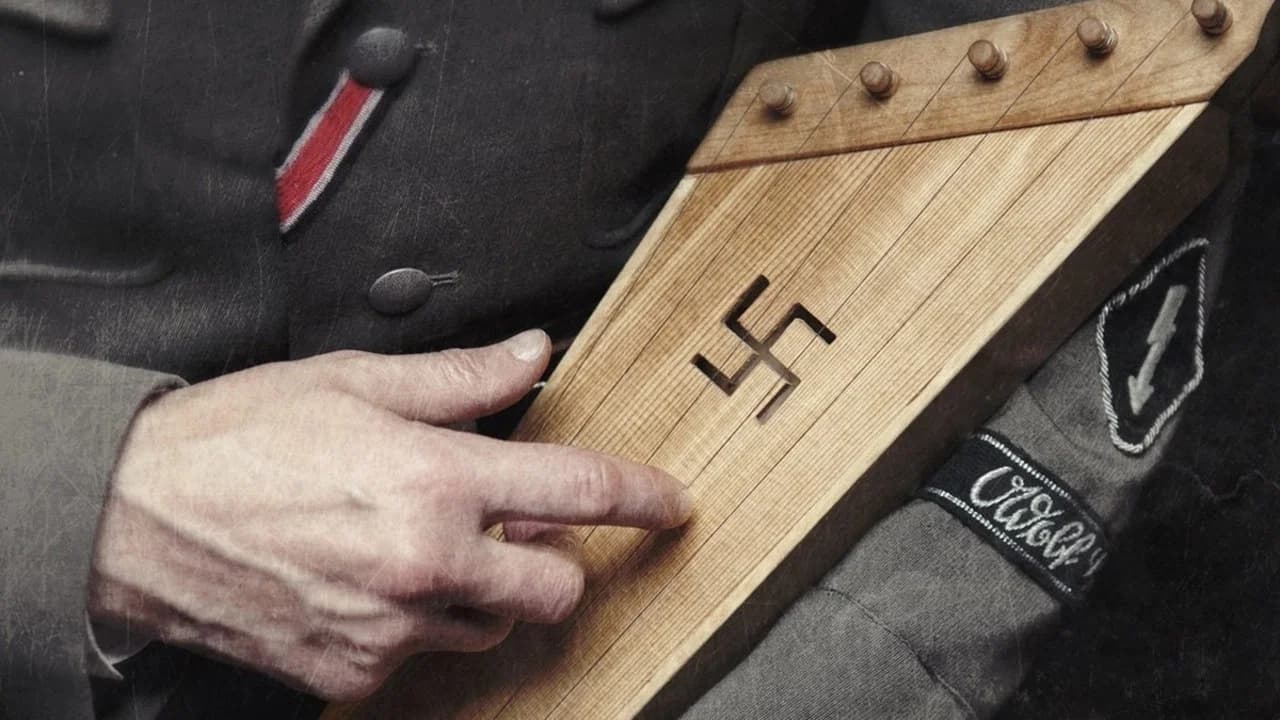
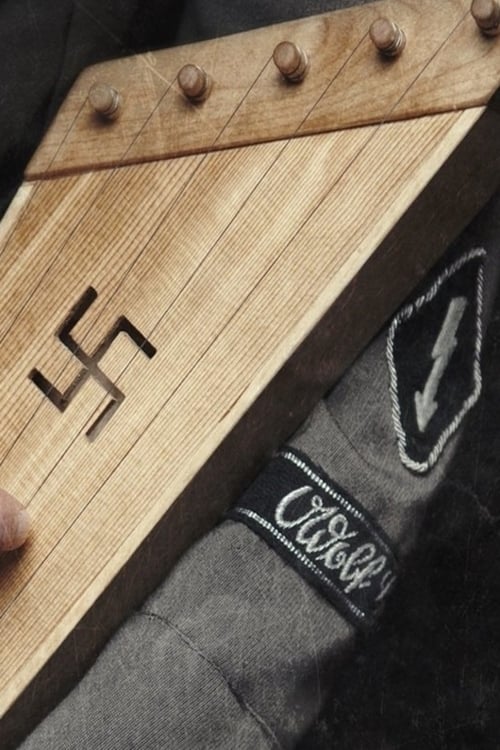
"Himmlers Kantele Player" - about Finnish student, who decides to leave University of Sorbonne and walk from Paris to Helsinki in the spring of 1935. On his way, in Germany, he meets Heinrich Himmler, who is attracted by a traditional Finnish instrument, kantele. Himmler…

Yrjö Von Grönhagen
Colonel Weisthor
Weisthor's secretary
Reichsgeschäftsführer
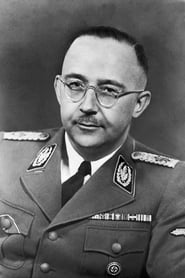
Reichsführer of the Schutzstaffel (SS)
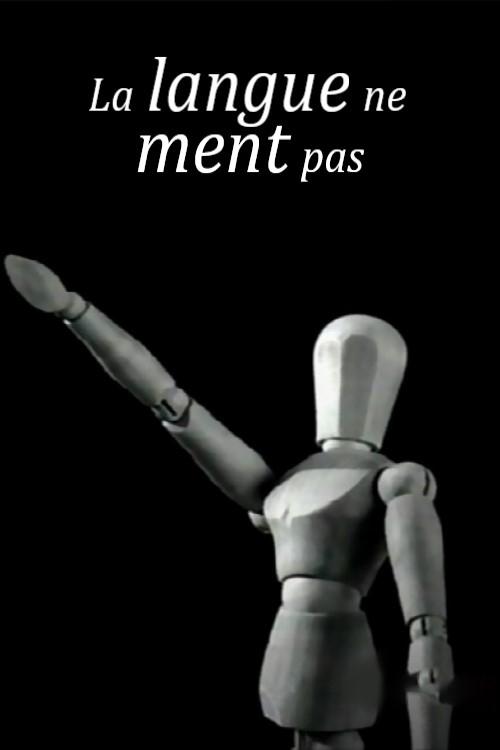
Victor Klemperer (1881-1960), a professor of literature in Dresden, was Jewish; through the efforts of his wife, he survived the war. From 1933 when Hitler came to power to the war's end, he kept a journal paying attention to the Nazis' use of words. This film takes the end of 1945 as its vantage point, with a narrator looking back as if Klemperer reads from his journal. He examines the use of simple words like "folk," "eternal," and "to live." Interspersed are personal photographs, newsreel footage of Reich leaders and of life in Germany then, and a few other narrative devices. Although he's dispassionate, Klemperer's fear and dread resonate

After the World War I, Mussolini's perspective on life is severely altered; once a willful socialist reformer, now obsessed with the idea of power, he founds the National Fascist Party in 1921 and assumes political power in 1922, becoming the Duce, dictator of Italy. His success encourages Hitler to take power in Germany in 1933, opening the dark road to World War II. (Originally released as a two-part miniseries. Includes colorized archival footage.)
Hitler's biography told like never before. Besides brief historical localizations by a narrator, only contemporaries and Hitler himself speak: no interviews, no reenactment, no illustrative graphics and no technical gadgets. The testimonies from diaries, letters, speeches and autobiographies are assembled with new, often unpublished archive material. Hitler's life and work are thus reflected in a unique way in interaction with the image of the society in the years 1889 to 1945.
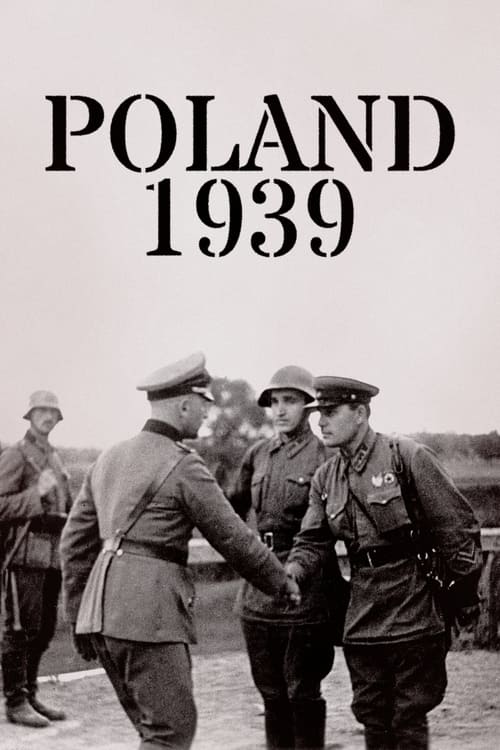
September 1st, 1939. Nazi Germany invades Poland. The campaign is fast, cruel and ruthless. In these circumstances, how is it that ordinary German soldiers suddenly became vicious killers, terrorizing the local population? Did everyone turn into something worse than wild animals? The true story of the first World War II offensive that marks in the history of infamy the beginning of a carnage and a historical tragedy.

A documentary-essay which shows Costică Axinte's stunning collection of pictures depicting a Romanian small town in the thirties and forties. The narration, composed mostly from excerpts taken from the diary of a Jewish doctor from the same era, tells the rising of the antisemitism and eventually a harrowing depiction of the Romanian Holocaust.