Loading titles…
Documentary
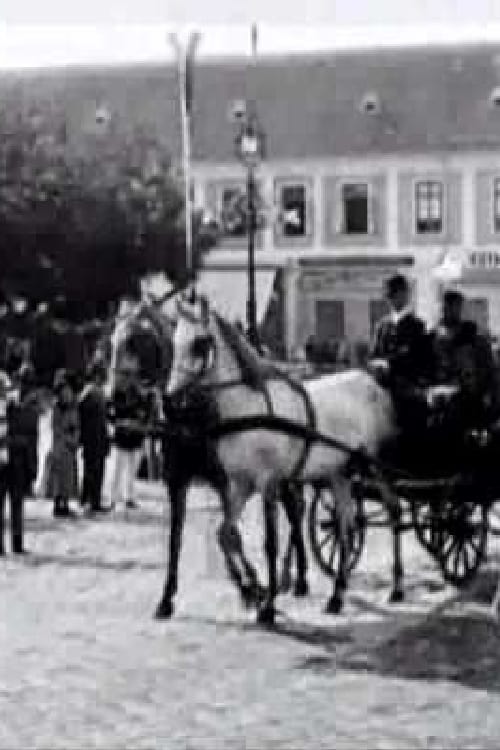
“First” pan in Pannonian Basin and highly likely in the Balkans was created in 1912 by Ernest Bosnjak. The film documented the unveiling of the monument to Ferencz Rákóczi in Sombor and also features a brief tilt shot of the monument itself.
No cast information available.
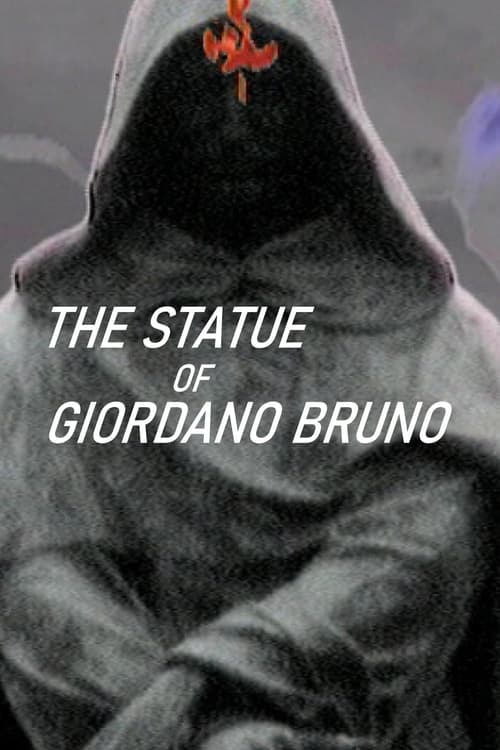
This film was made out of the capture of a live animation performance presented in Rome in January 2005 by Pierre Hébert and the musician Bob Ostertag. It is based on live action shooting done that same afternoon on the Campo dei Fiori where the philosopher Giordano Bruno was burned by the Inquisition in 1600. A commemorative statue was erected in the 19th century, that somberly dominate the market held everyday on the piazza. The film is about the resurgence of the past in this place where normal daily activities go on imperturbably. The capture of the performance was reworked, shortened and complemented with more studio performances.
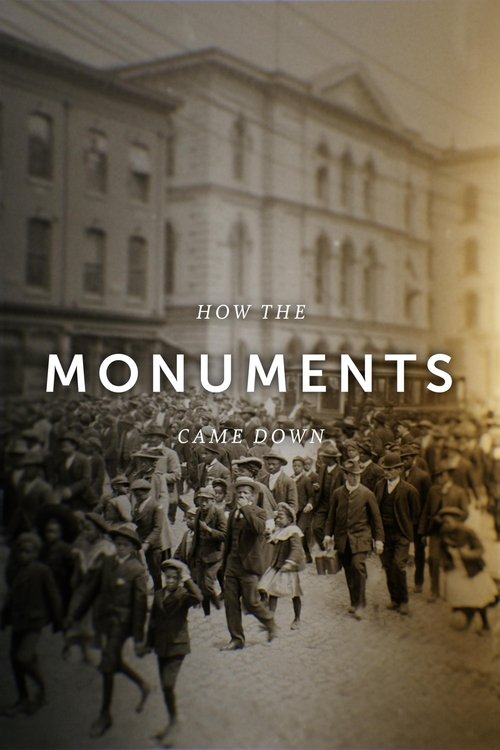
How the Monuments Came Down is a timely and searing look at the history of white supremacy and Black resistance in Richmond. The feature-length film-brought to life by history-makers, descendants, scholars, and activists-reveals how monuments to Confederate leaders stood for more than a century, and why they fell.
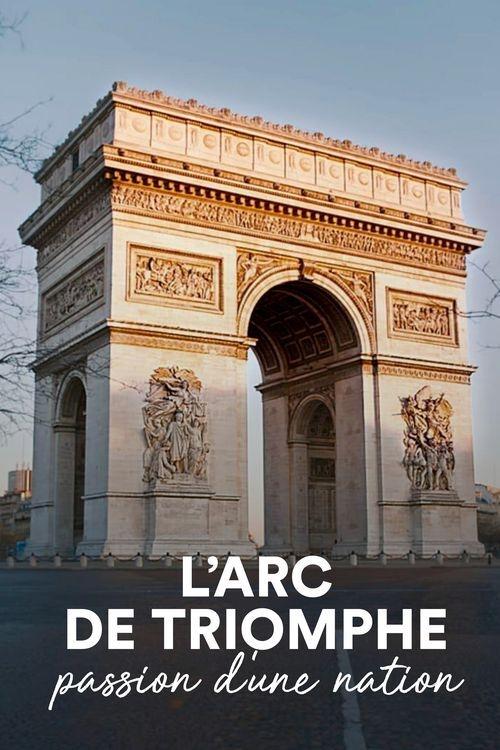
The pride of Napoleon's victories, the Arc de Triomphe, whose first stone was laid in 1806 at the top of the Champs-Élysées, is, along with the Eiffel Tower, one of the most visited monuments in the French capital. Wanted by an emperor, inaugurated under the reign of a king (Louis-Philippe) and sanctuarized by the Republic, this patriotic temple polarizes the passions of a whole nation. A historical portrait before "packaging", which teems with anecdotes and unsuspected details.
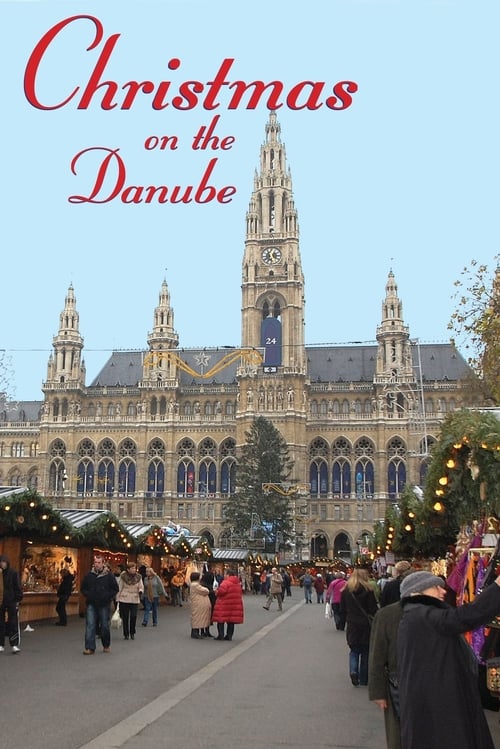
This documentary visits cities and towns and captures stunning landscapes along Europe's majestic Danube at Christmastime. Locations covered include Passau, Germany; Salzburg, Oberndorf, the Wachau Valley, and Vienna in Austria; Bratislava, Slovakia; and Budapest, Hungary. Along the way the viewer learns relevant history.
How would you feel if the state sold the mountain above your village to a big multinational, your country's beautiful islands, its beaches or your great monuments? Strangled by debt, governments and public administrations all over Europe act like any indebted family: they try not only to reduce costs, but attempt to replenish their coffers by putting their most valued family possessions on the market. More often than not, this includes part of the countries' historical and natural heritage: castles, islands, mountains, beaches, palaces, ancient arenas and archaeological sites. But who really owns these properties? Aren't they our common heritage, our history that will end up in private or corporate hands and will no longer be accessible to all? Or is the private sector more efficient in managing these properties? And if so, who decides on the best deal? Are there democratic proceedings for the sale of our common good? The people of Europe want accountability.