Loading titles…
'The angle of the world allows us to see the real as an outer and inner presence at the same time, an opaque otherness, yet capable of becoming an intimate space. These incommensurable lengths and distances of an interior that opens up: The mysterious movement of the clouds, the…
No cast information available.

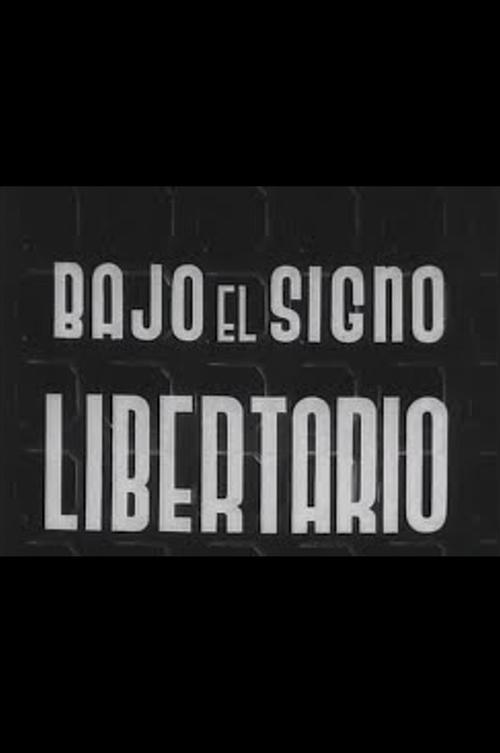
Bajo el signo libertario is a propaganda documentary, with the script and direction of Les (known for his articles in Solidaridad Obrera and the magazine Espectáculo) whose central theme is the reconstruction of the development of life in a libertarian community in the Aragonese town of Pina de Ebro.
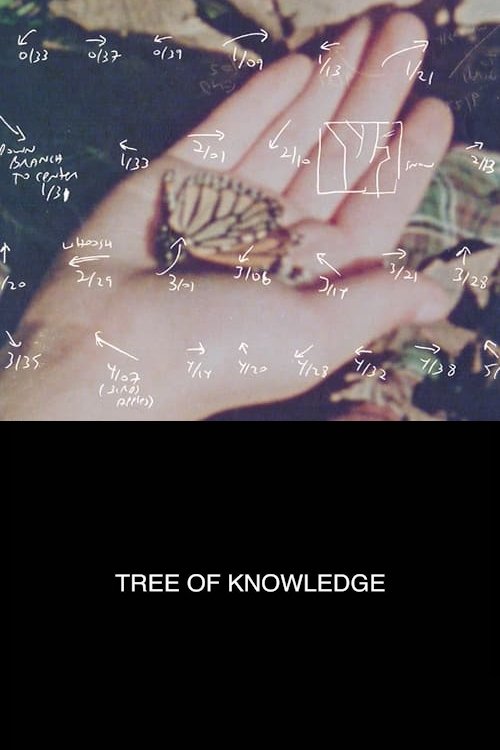
It started with filming the tree. Something was released in that manner of filming seemingly farthest removed from the procedure of the early films. I first thought a simple ordering of this rich material might be enough, something related to BARN RUSHES [...] But the film only came into its form-life with the idea of linking this deep-rooted and far-outreaching tree material with that film on paranoia that had fascinated me for many years. –L. G.
"With characteristic wit and rigor, experimental filmmaker Larry Gottheim here applies his impressionistic editing style to footage collected during his travels in the Dominican Republic. Gottheim’s formal emphasis on repetition and fissures between sound and image resonates here as a mode of sociological reflection (with the fragmentary montage mirroring elements of ritual while also destabilizing the ethnographic gaze). A largely overlooked antecedent to the contemporary blending of avant-garde and ethnographic filmmaking, MACHETTE GILLETTE… MAMA still poses a potent challenge to documentary convention." - Max Goldberg
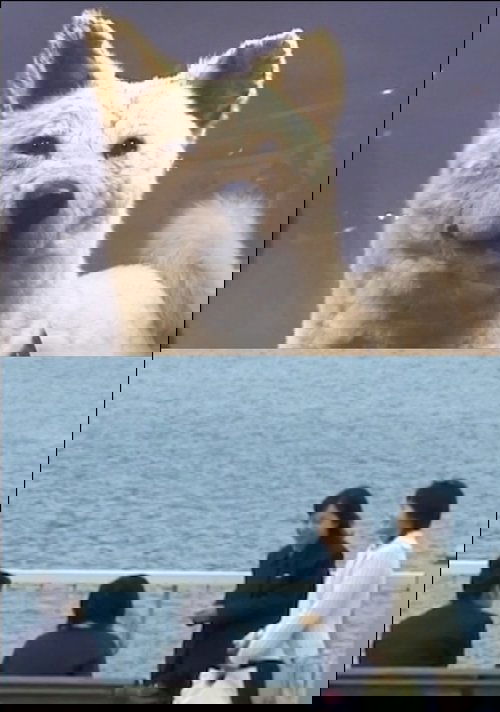
Ostensibly searching for an emotional connection with her aging father, the woman contemplates her own inherited culture and familial touchstones. Her North American pop culture sensibility fuses with a distorted Japanese perspective to create a surreal interpretation of a “Japan of the imagination.” This fictional landscape is peppered with invented Japanese myths, ruminations on memory loss, the temporal space of digital photography and the ghosts of inherited imagination.
This astounding documentary delves into the mysteries of the Tunguska event – one of the largest cosmic disasters in the history of civilisation. At 7.15 am, on 30th June 1908, a giant fireball, as bright the sun, exploded in the sky over Tunguska in central Siberia. Its force was equivalent to twenty million tonnes of TNT, and a thousand times greater than that of the atomic bomb dropped on Hiroshima in 1945. An estimated sixty million trees were felled over an area of over two thousand square kilometres - an area over half the size of Rhode Island. If the explosion had occurred over London or Paris, hundreds of thousands of people would have been killed.