
Buck Owens
Self
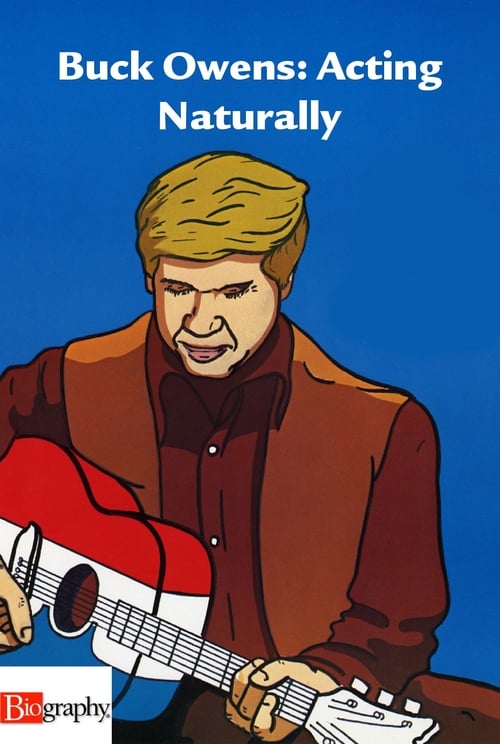
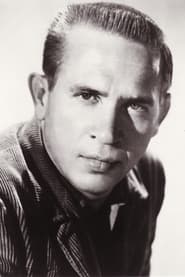
Story of the singer who came out of the Texas dustbowl to become the king of Honky Tonk. With his Fender Telecaster guitar, no-nonsense style, and lush sound, Owens started a revolution in country music that produced such hits as "Act Naturally" and "Together Again". Despite the…
Self
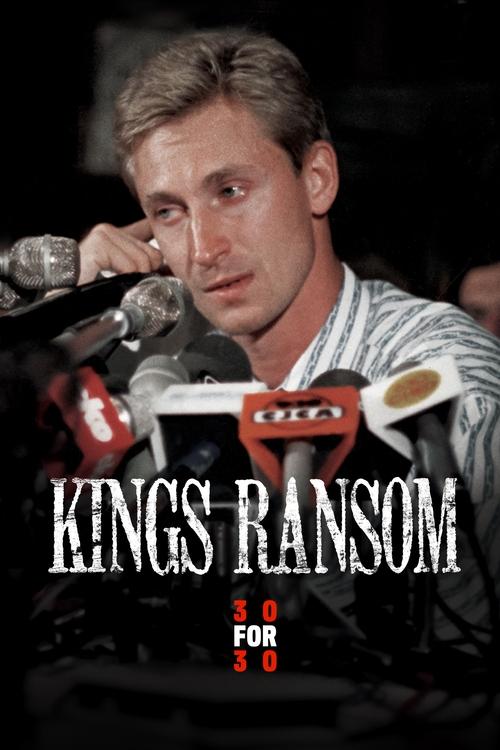
On August 9, 1988, the NHL was forever changed with the single stroke of a pen. The Edmonton Oilers, fresh off their fourth Stanley Cup victory in five years, signed a deal that sent Wayne Gretzky, a Canadian national treasure and the greatest hockey player ever to play the game, to the Los Angeles Kings in a multi-player, multi-million dollar deal. As bewildered Oiler fans struggled to make sense of the unthinkable, fans in Los Angeles were rushing to purchase season tickets at a rate so fast it overwhelmed the Kings box office. Overnight, a franchise largely overlooked in its 21-year existence was suddenly playing to sellout crowds and standing ovations, and a league often relegated to “little brother” status exploded from 21 teams to 30 in less than a decade.
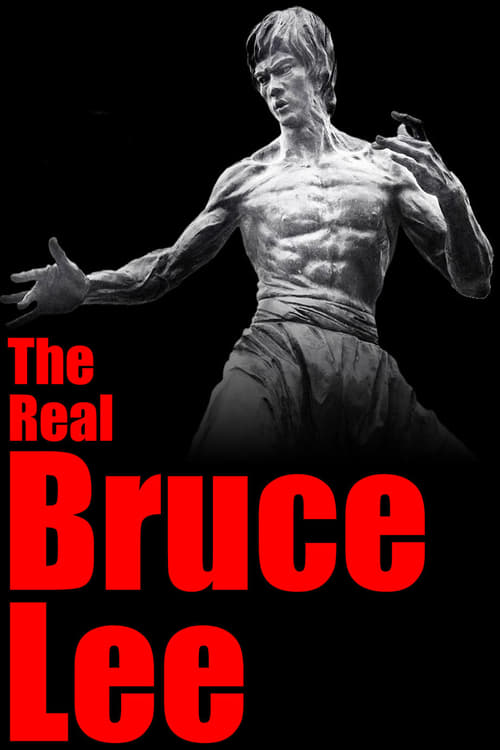
The Real Bruce Lee is a martial arts documentary. It begins with a brief biography of Bruce Lee, and shows scenes from four of his childhood films, Bad Boy, Orphan Sam, Kid Cheung, and The Carnival, each sepia-toned and dubbed to English. Next, there is a three-minute highlight reel of Lee imitator Bruce Li. Finally, there is a feature-length film starring Lee imitator Dragon Lee, which is obviously modeled after Bruce Lee's Fist of Fury.
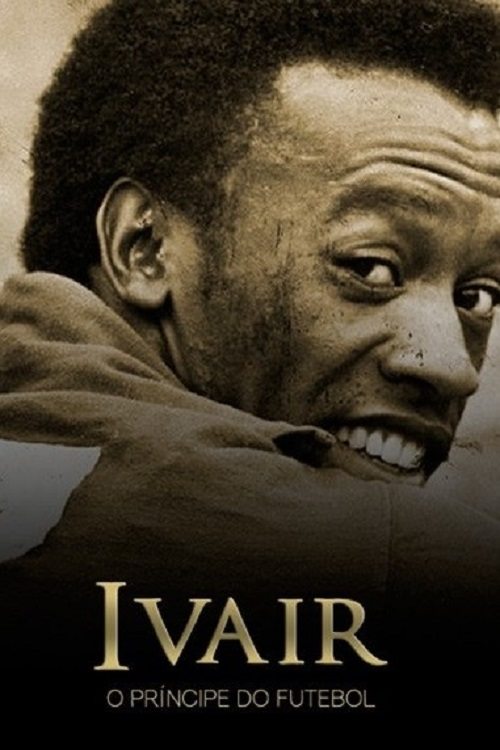
The documentary covers the carrer of Ivair Ferreira, striker and left winger revealed by Portuguesa de Desportos in the 1960s. Nicknamed "The Prince of Football" by The King of Football (Pelé) himself. He was in the "Yeah, Yeah, Yeah" attacking trio of Portuguesa (alongside Leivinha and Servílio) where he played for fifteen years; was in Corinthians' attacking duo with Rivellino; and North American champion playing for the Toronto Metros-Croatia with Eusébio.

This documentary is not a straightforward portrait of Armenian film director Sergei Paradjanov's life, but rather a fluid celebration of his talent and creativity. Focusing on the collages he produced during his years in prison, and featuring interviews with the director himself, Cazals' film demonstrates the scope of Paradjanov's artistic vision, lovingly commemorating this rebel of art cinema.

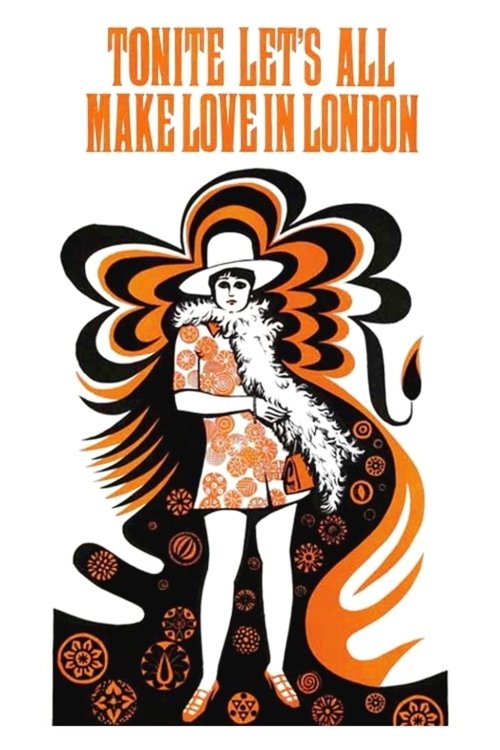
Peter Whitehead’s disjointed Swinging London documentary, subtitled “A Pop Concerto,” comprises a number of different “movements,” each depicting a different theme underscored by music: A early version of Pink Floyd’s “Interstellar Overdrive” plays behind some arty nightclub scenes, while Chris Farlowe’s rendition of the Rolling Stones’ “Out of Time” accompanies a young woman’s description of London nightlife and the vacuousness of her own existence. In another segment, the Marquess of Kensington (Robert Wace) croons the nostalgic “Changing of the Guard” to shots of Buckingham Palace’s changing of the guard, and recording act Vashti are seen at work in the studio. Sandwiched between are clips of Mick Jagger (discussing revolution), Andrew Loog Oldham (discussing his future) – and Julie Christie, Michael Caine, Lee Marvin, and novelist Edna O’Brien (each discussing sex). The best part is footage of the riot that interrupted the Stones’ 1966 Royal Albert Hall concert.