Loading titles…
Narrator (voice)
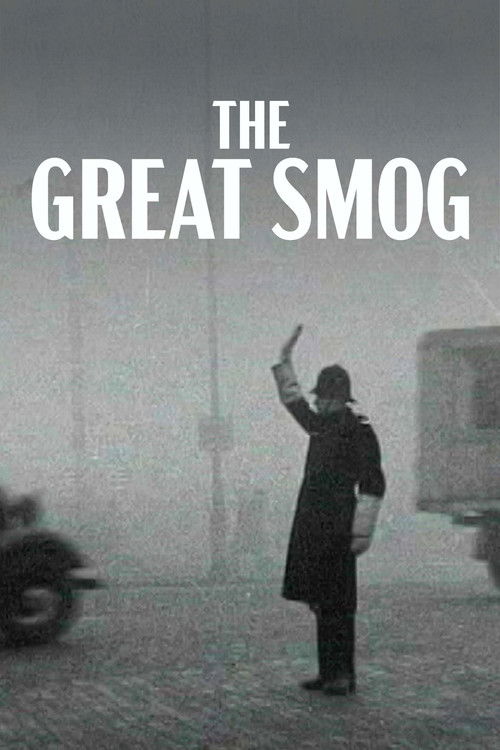
For five days in December 1952, a thick smog suffocated the British capital causing the death of thousands of Londoners. The health catastrophe lead to a realisation, in Britain and around the world, that air pollution was a serious threat to human health. This documentary reveals what happened, hour by hour, in one of the worst peacetime disasters of the 20th century.
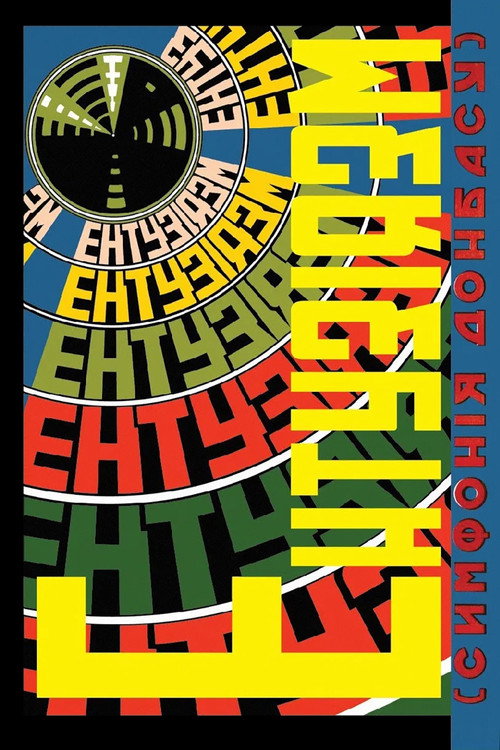

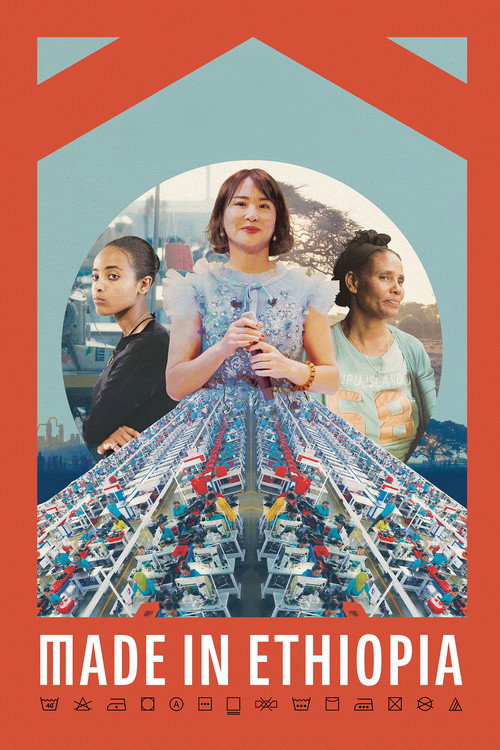
When a massive Chinese factory complex attempts a high-stakes expansion in rural Ethiopia, three women in search of prosperity have their faith in industrialization tested to the limit. Filmed over four years with singular access, Made in Ethiopia lifts the curtain on China’s historic but misunderstood impact on Africa, and explores contemporary Ethiopia at a moment of profound crisis. The film was awarded the Jury Special Mention at Tribeca Festival.
Celebrating the people, places, and stories of our community.. Morristown: A Tale as Old as Time is a community documentary celebrating the history, people, and enduring spirit of Morristown, Vermont. Through personal interviews with longtime residents, local leaders, and community members, the film preserves the stories, traditions, and memories that have shaped the town across generations. Blending heartfelt storytelling with the landscapes and landmarks of Lamoille County, the documentary offers an intimate portrait of a rural Vermont community and the people who continue to define its character and legacy.
Professor Jeremy Black examines one of the most extraordinary periods in British history: the Industrial Revolution. He explains the unique economic, social and political conditions that by the 19th century, led to Britain becoming the richest, most powerful nation on Earth. It was a time that transformed the way people think, work and play forever.
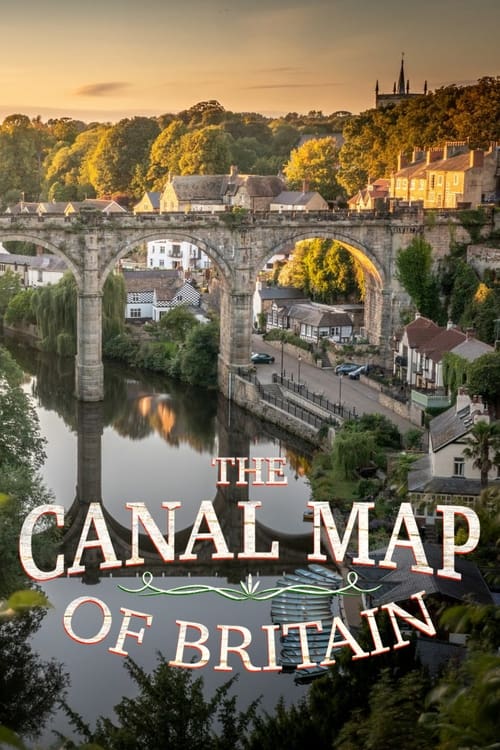
A look at Britain's beloved canal network via a fact-filled cruise along the first superhighways of the Industrial Revolution. In the age before mechanisation, a frenzy of canal-building saw a new army of workers carve out the British landscape, digging out hundreds of miles of waterways using picks, shovels and muscle.
In the 1920s, Western Electric Company ordered a series of studies to be conducted at their plant in Cicero, Illinois. At first they wanted to see how lighting affected productivity on the factory floor. Researchers also interviewed employees to hear their ideas and opinions about company policies, management, and other subjects. These were the Hawthorne studies, landmark research in industrial and organizational psychology. In the early 1970s, some of the participants of this study—researchers and workers alike--reunited and reminisced about their involvement.