
Loading titles…
Documentary / History
Professor Jeremy Black examines one of the most extraordinary periods in British history: the Industrial Revolution. He explains the unique economic, social and political conditions that by the 19th century, led to Britain becoming the richest, most powerful nation on Earth. It…
Presenter
Self
Self
Self
Self
Self
In the 1920s, Western Electric Company ordered a series of studies to be conducted at their plant in Cicero, Illinois. At first they wanted to see how lighting affected productivity on the factory floor. Researchers also interviewed employees to hear their ideas and opinions about company policies, management, and other subjects. These were the Hawthorne studies, landmark research in industrial and organizational psychology. In the early 1970s, some of the participants of this study—researchers and workers alike--reunited and reminisced about their involvement.

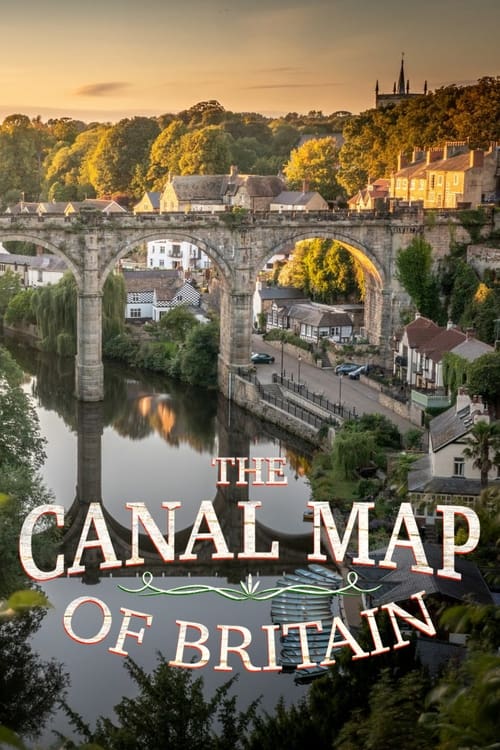
A look at Britain's beloved canal network via a fact-filled cruise along the first superhighways of the Industrial Revolution. In the age before mechanisation, a frenzy of canal-building saw a new army of workers carve out the British landscape, digging out hundreds of miles of waterways using picks, shovels and muscle.
A sophisticated and beautifully constructed account of landscape change in and around Paris in the early 1960s. The film raises complex issues about the meaning and experience of modern landscapes and the enigmatic characteristics of features such as canals, pylons and deserted factories. Rohmer also explores the role of landscape within different traditions of modern art and design and refers to specific architects, artists and engineers.