Loading titles…
Documentary / Music
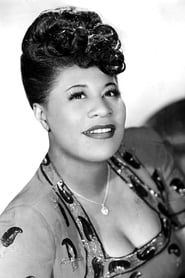
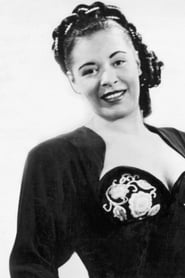
The documentary tracks the diva's difficult progress as she emerges from the tough, testosterone-fuelled world of the big bands of the 30s and 40s, to fill nightclubs and saloons across the US in the 50s and early 60s as a force in her own right. Looking at the lives and careers…


Self (archive footage)
Self (archive footage)
Self (archive footage)
Self (archive footage)

Self

Self
Self
Self (archive footage)

Lillian Smith: Breaking the Silence is a 50-minute documentary about the life and work of Georgia writer and activist Lillian Smith (1887 – 1966). This documentary explores her legacy and the life journey that led to her awakening, from her childhood experiences in a small southern town, to her years of living abroad in China, to directing a girls' summer camp in North Carolina. By the time she published a bestselling novel in 1944, her moral compass was finely tuned to the changes needed in the southern U.S., and she spent the next two decades confronting the ugly institution of segregation, saying that it harmed whites as much as blacks. In the decade before her death she wrote about the need for freedom and respect for everyone everywhere.
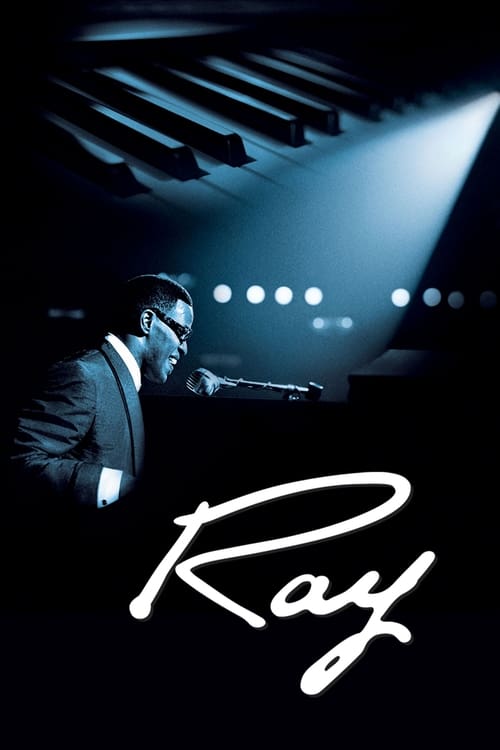
Born on a sharecropping plantation in Northern Florida, Ray Charles went blind at seven. Inspired by a fiercely independent mom who insisted he make his own way, He found his calling and his gift behind a piano keyboard. Touring across the Southern musical circuit, the soulful singer gained a reputation and then exploded with worldwide fame when he pioneered coupling gospel and country together.
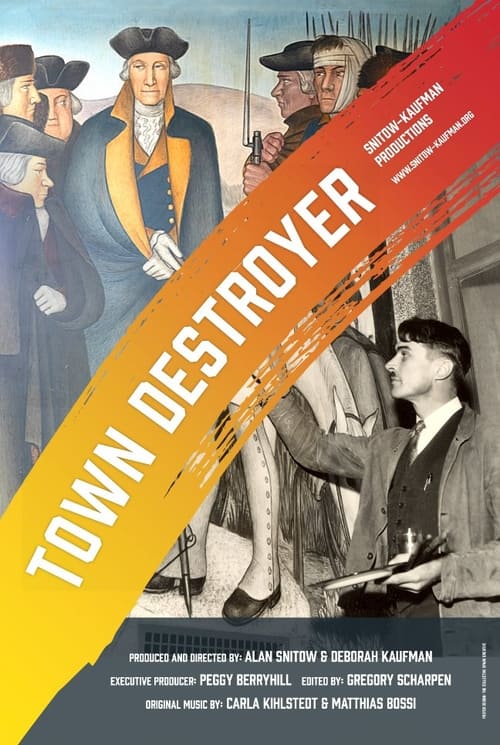
Controversy erupts over a New-Deal-era mural of the namesake of San Francisco’s George Washington High School. The thirteen-panel artwork "The Life of Washington" by Victor Arnautoff offers a view of the Founding Father both celebratory and critical, referencing his involvements in slavery and Native American genocide.
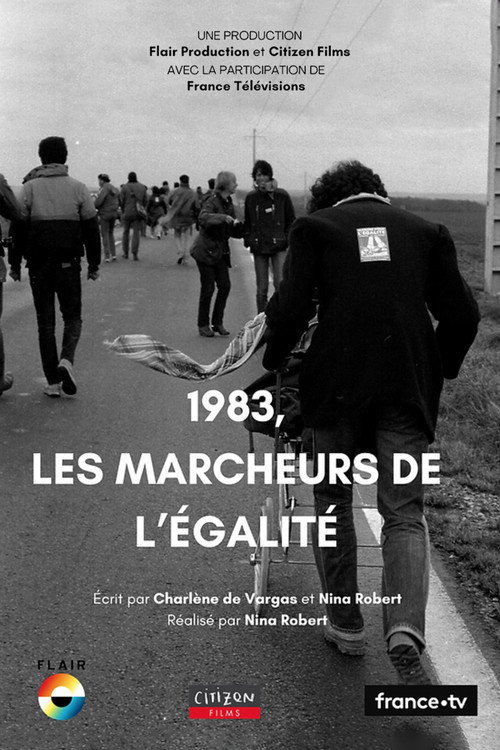
In the 1980s, young people of North African descent born in France and a priest from the Lyon suburbs organized the "March of the Beurs." Launched on October 15, 1983, by seventeen people from the La Cayolle neighborhood in Marseille following a racist crime, the march concluded two months later—on December 3—on the streets of Paris, with 100,000 participants. This movement demanded equal rights. Was their cry heard?
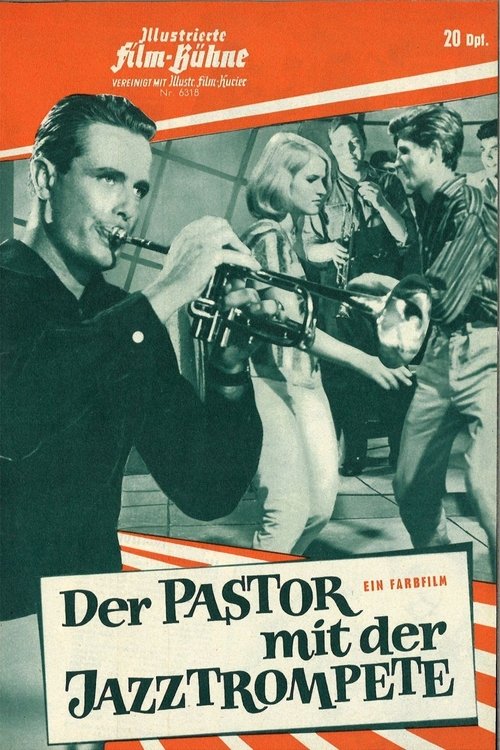
When the Lutheran pastor Roland retires, the young priest Roll shall replace him. He plays the trumpet, loves Jazz and his methods are unconventional: From the first day on he offends the village's notables, but he doesn't care so much since he especially targets the youths, wants them to get back to the church again. However the mayor agitates against him, manages to endanger Roll's success. The conflict leads to vandalism and open violence against Roll.
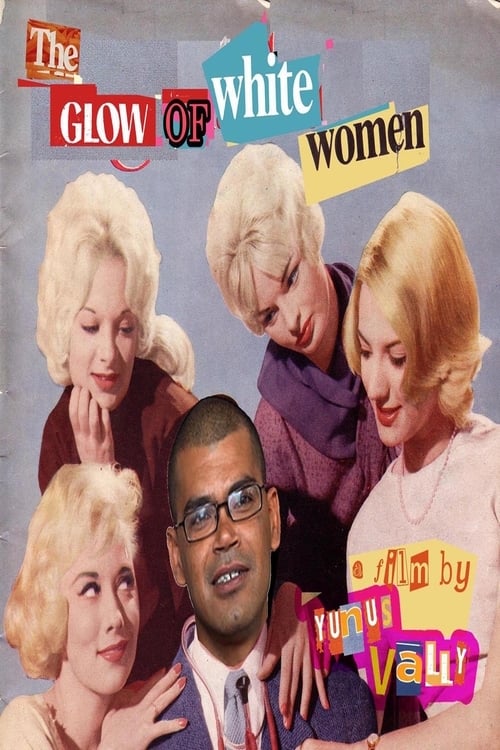
Documentary made by Yunus Vally, born in the 60s into a Muslim family during the height of the Apartheid era in South Africa, which examines the impact that the discriminatory laws of the state - specifically the so-called Immorality Act that determined who you could love and the censorship regulations that clearly defined what was deemed desirable - had on his life. It is also his attempt to fathom how he could have been an ardent Trotskyite who secretly fancied blonde Afrikaans beauty queens. (Storyville)