


Adam Goodes
Himself
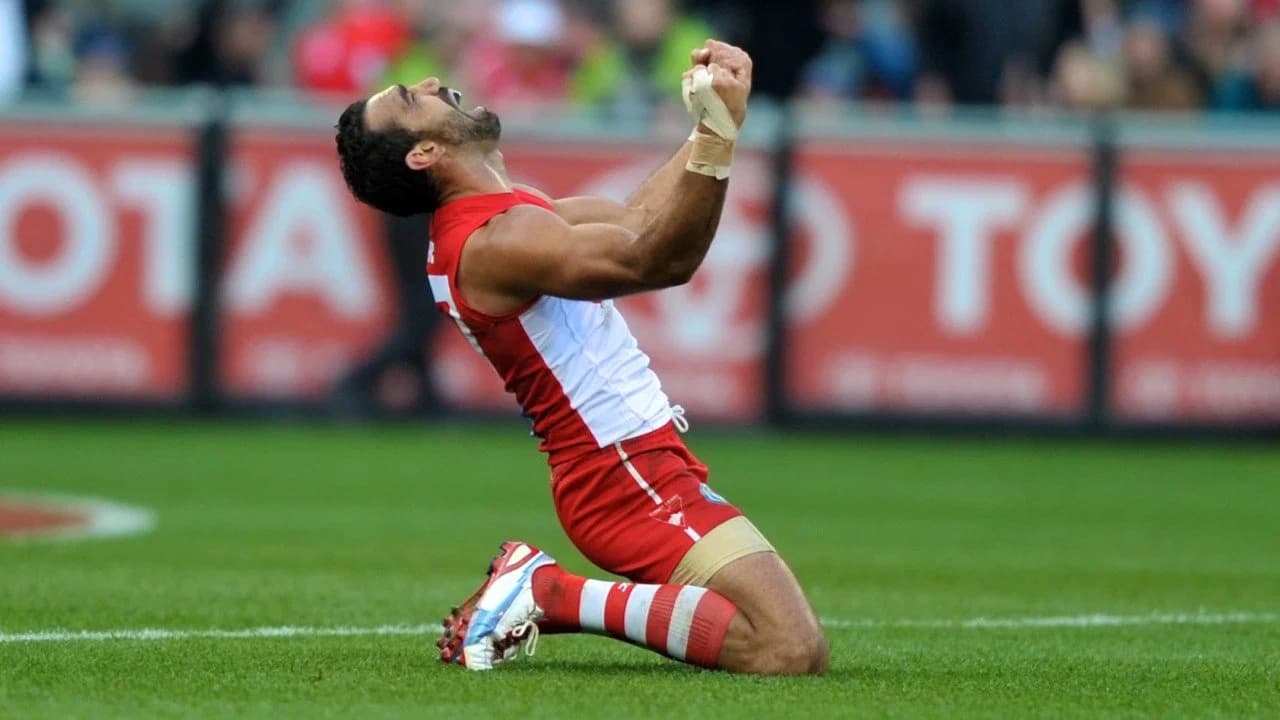
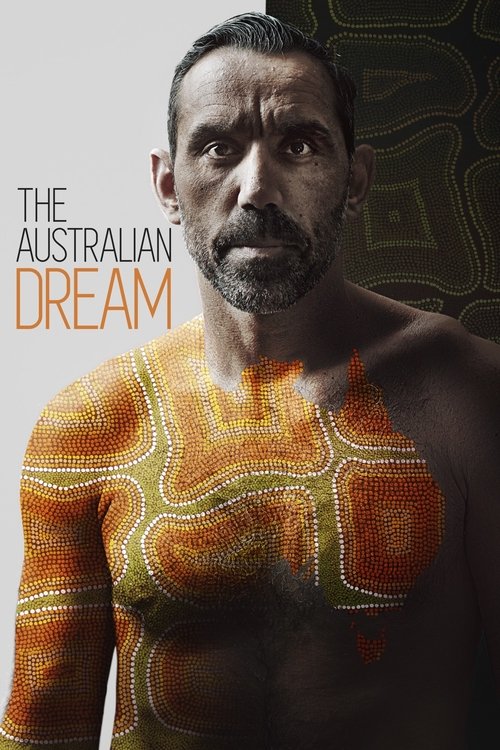
Australian documentary filmmaker Ian Darling re-examines the incidents that marked the final 3 years of Indigenous footballer Adam Goodes' playing career. Made entirely from archival footage, photos and interviews sourced from television, radio and newspapers, the film reviews…
Himself
On June 21 2007, the Howard Federal Government launched an intervention into Aboriginal communities in the Northern Territory. It was one of the most dramatic policy shifts in the history of Aboriginal affairs. Relentless media attention focuses on ideological arguments for and against the Intervention, while the voices of those affected by the policy are rarely heard. For this film more than 40 Alice Springs town camp residents were interviewed in depth over the course of eight months to find out the answer to the question - is it working?

The film marks the 30th anniversary of the SOS Racismo Movement and gives voice to participants in the debate on racial issues in Portugal, bringing together multiple testimonies from racialized, black, gypsy, and migrant communities, as well as contributions from various figures in social and political mobilization, reflecting the intersectionality, diversity, and transversality of the various fronts in the fight against racism. As a tool for debate, mobilization, and awareness-raising in the fight against racism, this documentary aims to contribute to the development of effective political responses to racial discrimination.

The documentary tracks the diva's difficult progress as she emerges from the tough, testosterone-fuelled world of the big bands of the 30s and 40s, to fill nightclubs and saloons across the US in the 50s and early 60s as a force in her own right. Looking at the lives and careers of six individual singers (Billie Holiday, Ella Fitzgerald, Peggy Lee, Sarah Vaughan, Nina Simone and Annie Ross), the film not only talks to those who knew and worked with these queens of jazz, but also to contemporary singers who sit on the shoulders of these trailblazing talents without having to endure the pain and hardship it took for them to make their highly individual voices heard above the prejudice of mid-century America.
To mark his 21st anniversary in broadcasting, the commentator Darcus Howe picks up on his chosen topic for another piece of work; racism. However, when Howe came to England "racism" was something that all ethnic groups faced from white people and it bonded the community together. Now Howe travels to the Midlands and several other areas of England to find that racism is rife within the ethnic community. He interviews those within the West Indian, Indian, Pakistani and Somalis communities to find that they are split with hatred and racism views of one another bringing the communities to the boil.
The people of Footscray are battlers and so is their football team. The 'mighty' Bulldogs haven't won a premiership since 1954. The club is close to broke and the AFL keeps trying to kill them off for the sake of the national competition. Year of the Dogs is a documentary following the fortunes of the Footscray Football club, its players, fans and staff as the club struggles to survive the 1996 Australian Football League season.
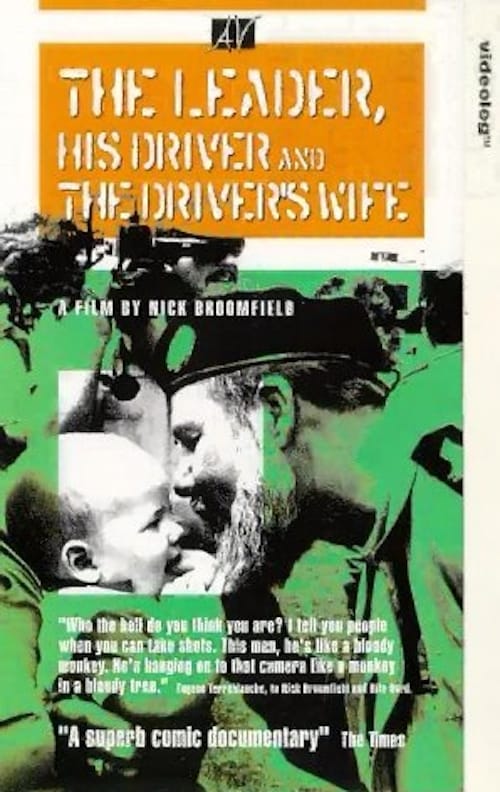
Nick Broomfield tries to interview Eugene Terre'Blanche, leader of the sinister neo-nazi AWB Afrikaner Party in South Africa. Cameras capture awkward interactions with skittish AWB supporters, combat training of militant youth, and the coveted interview itself. Broomfield's access to these events is made possible by the leader's driver, whose wavering allegiance to the movement is explored as well.
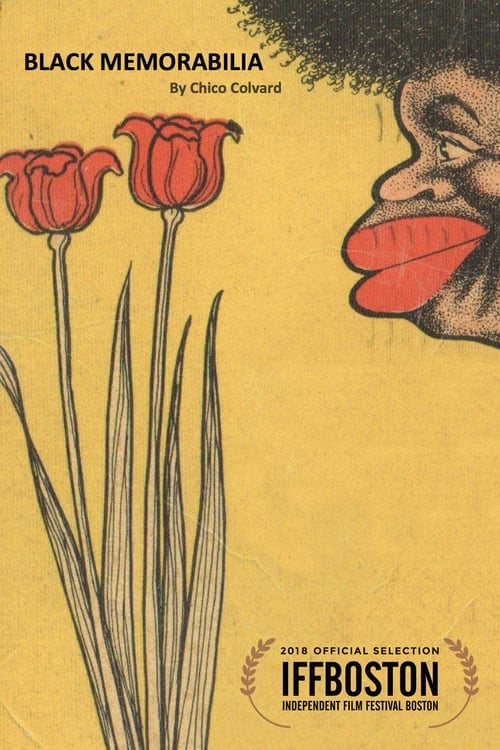
Filmmaker Chico Colvard investigates the propagation of demeaning representations of African-Americans. From industrial China to the rural American south to contemporary Brooklyn, we observe the people and places that reproduce, consume and reclaim BLACK MEMORABILIA. This feature documentary takes us on a journey into the material culture of racialized artifacts and confronts us with the incendiary features of these objects. BLACK MEMORABILIA also moves beyond perverse attractions and absolute objections to collectibles and antiques that serve as reminders of America's troubled racial history. In the midst of roiling ethnic unrest in the US today, the film's confrontation of our feelings about these objects strikes at the heart of a pressing contemporary issue and opens a unique dialogue about the continuing legacy of racism in America.
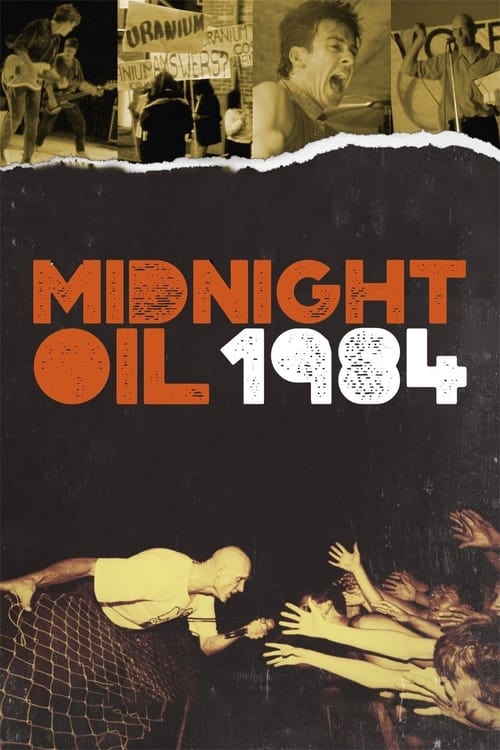
In 1984, Midnight Oil released their iconic record Red Sails in the Sunset. They embarked on a relentless tour around the nation performing raw and electrifying music that reignited the imagination of young Australians. That same year, their lead singer Peter Garrett committed to run for a Senate seat for the Nuclear Disarmament Party. With the mounting pressure of balancing the demands of music and politics this is the year that would make, but nearly break, Australia's most important rock and roll band. Thirty years in the making and featuring never seen before seen footage of the band on and off the stage, Midnight Oil: 1984 is the untold story of the year Australia’s most iconic rock band inspired the nation to believe in the power of music to change the world.