David Attenborough
Himself - Presenter
Sir David Attenborough takes a look at the potentially devastating impact of climate change.
Himself - Presenter

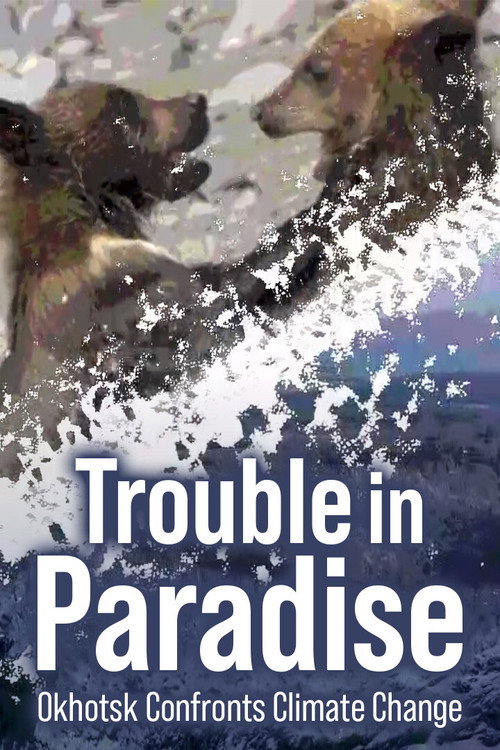
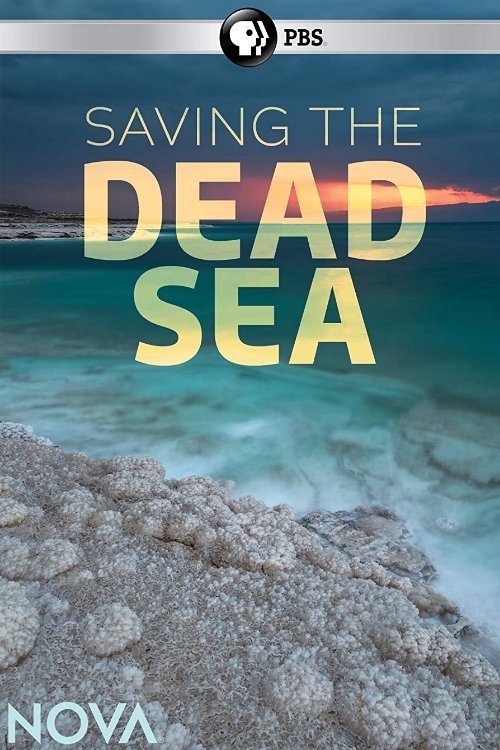
In 200,000 years of existence, man has upset the balance on which the Earth had lived for 4 billion years. Global warming, resource depletion, species extinction: man has endangered his own home. But it is too late to be pessimistic: humanity has barely ten years left to reverse the trend, become aware of its excessive exploitation of the Earth's riches, and change its consumption pattern.
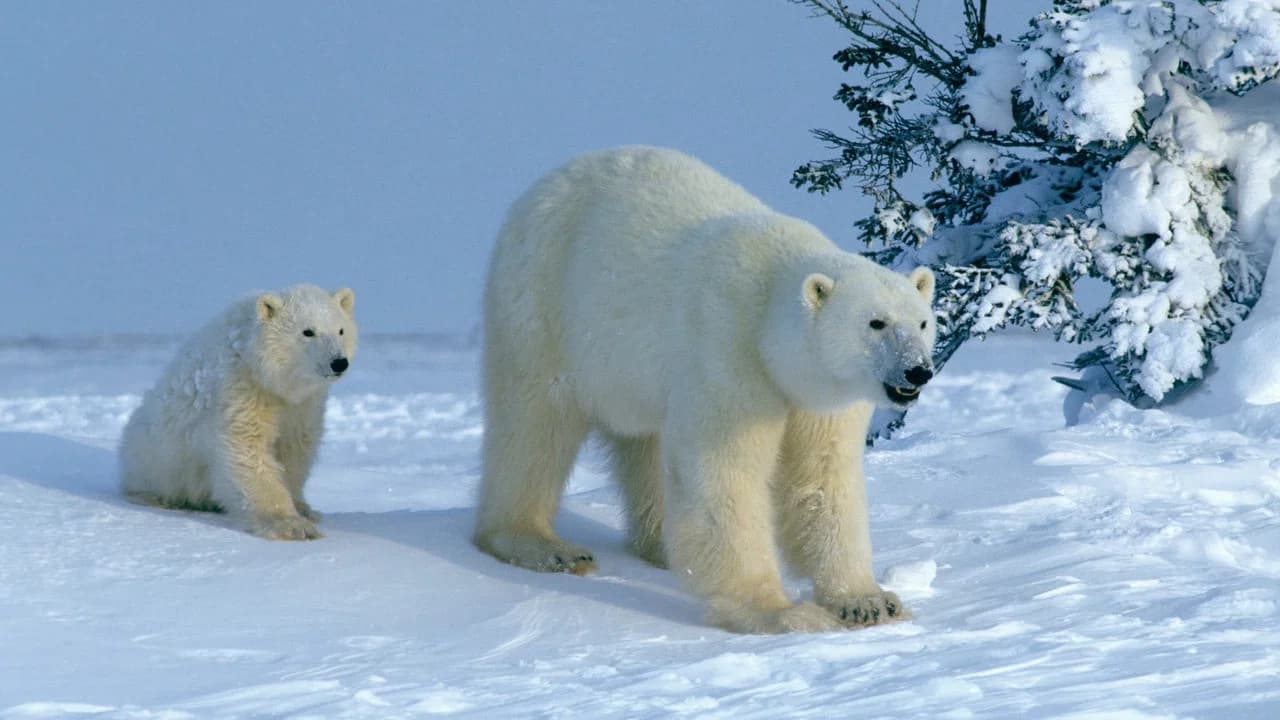
It's death on an unimaginable scale, when a majority of Earth's species quickly die out. It's called "mass extinction," and it's happened at least five times before. Cataclysms, such as supervolcanoes or asteroids, are thought to cause these events, but some experts believe a manmade mass extinction could be next. Is our planet in trouble? And if so, is there anything we can do to stop the next catastrophic annihilation? Experts are traveling the world, performing groundbreaking scientific detective work to answer these very questions.
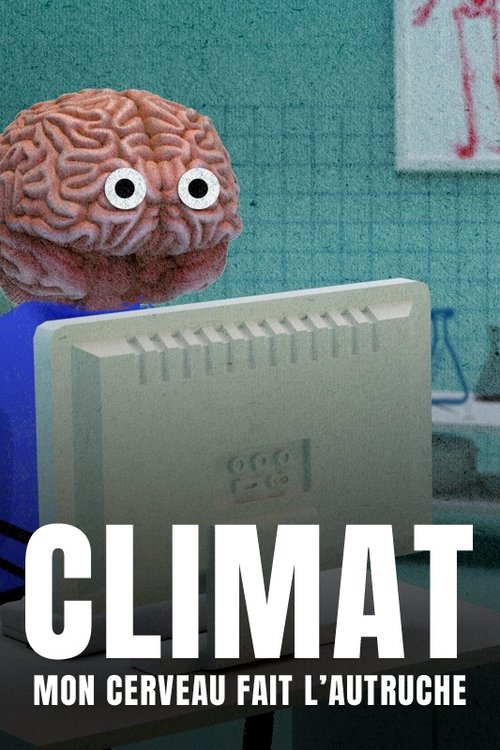
Although a real awareness of the populations is underway - the multiplication of natural disasters and heat records helping - the human activities responsible for global warming remain unchanged, as if the threat was unreal. This collective immobility could have its origin in the brain. A number of cognitive biases impede judgment.
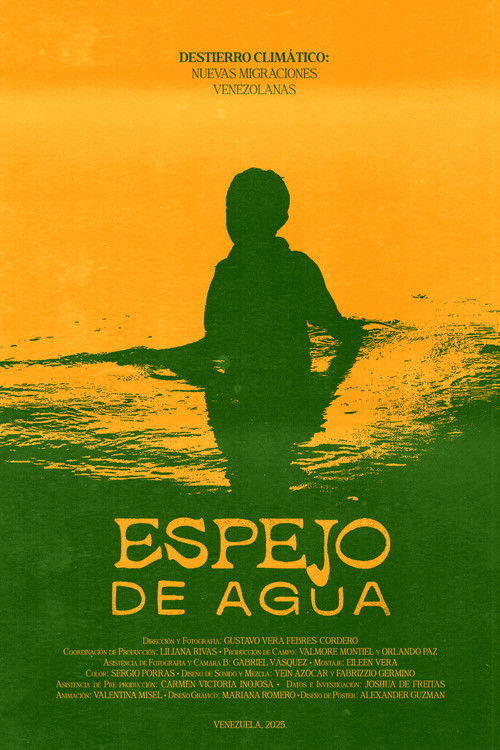
Espejo de Agua is a non-fiction short film set in Venezuela 's Sinamaica Lagoon, Zulia, where the Añú people are silently displaced due to climate change. Community leader Laura and the inhabitants of the lagoon, inside and outside their homeland, cling to the hope that it is not too late for changes and preserve their ancestral culture.