Loading titles…
Documentary
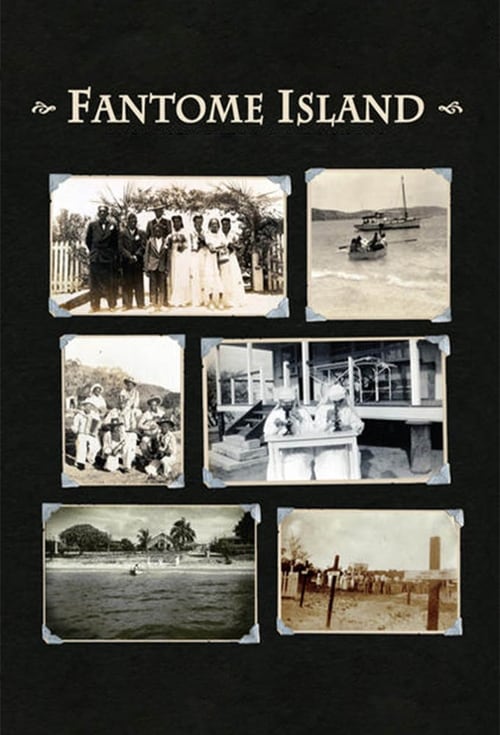
In 1945, at the age of seven, a young Joe Eggmolesse was diagnosed with Leprosy. He was immediately removed from his family and home and transported under police escort over a thousand kilometres to be confined on an island for the treatment of the disease. For the next ten…
Self
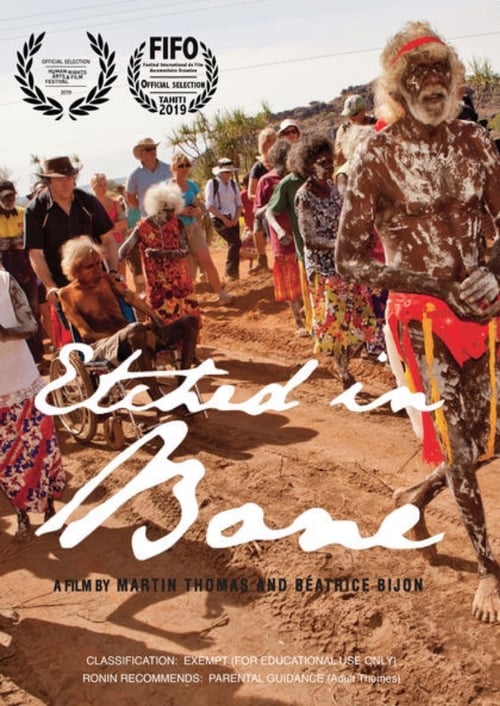
Drawing on original footage from National Geographic, Etched in Bone explores the impact of one notorious bone theft by a member of the 1948 American-Australian Scientific Expedition to Arnhem Land. Hundred of bones were stolen and deposited in the Smithsonian Institution in Washington DC, until it became known to Arnhem elders in the late 1990s. The return of the sacred artefacts was called for, resulting in a tense standoff between indigenous tribespeople and the Department of Anthropology at the Smithsonian.

An Aboriginal Australian and Native American documentary narrated by award-winning actor Jack Thompson, One Heart-One Spirit tells the story of Kenneth Little Hawk, an elder Micmac/Mohawk performing artist, meeting the oldest surviving culture on the planet: the 40,000 year old Yolngu nation located in northern Australia.
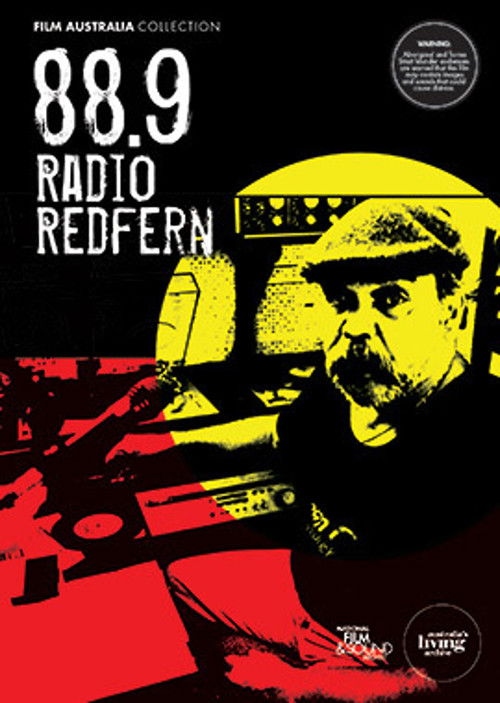
An observational documentary which looks at Sydney’s first community Aboriginal radio station, 88.9 Radio Redfern. Set against a backdrop of contemporary Aboriginal music, 88.9 Radio Redfern offers a special and rare exploration of the people, attitudes and philosophies behind the lead up to a different type of celebration of Australia’s Bicentennial Year. Throughout 1988, 88.9 Radio Redfern became an important focal point for communication and solidarity within the Aboriginal community. The film reveals how urban blacks are adapting social structures such as the mass media to serve their needs.
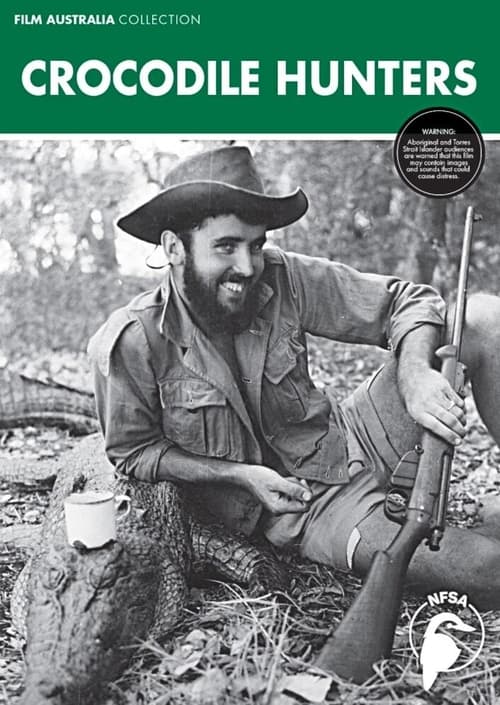
In the estuaries and lagoons of the Northern Territory, freshwater and saltwater crocodile are hunted for their hides by both Indigenous and non-Indigenous hunters. This film shows Aboriginal people using age-old hunting techniques to land crocs either for food or for skins. The methods employed by the professional hunters, who earn as much as 3000 pounds during the season, are also depicted, followed by a brief look at how the hides are skinned and prepared before being transported to the leather factories of Sydney and Melbourne.
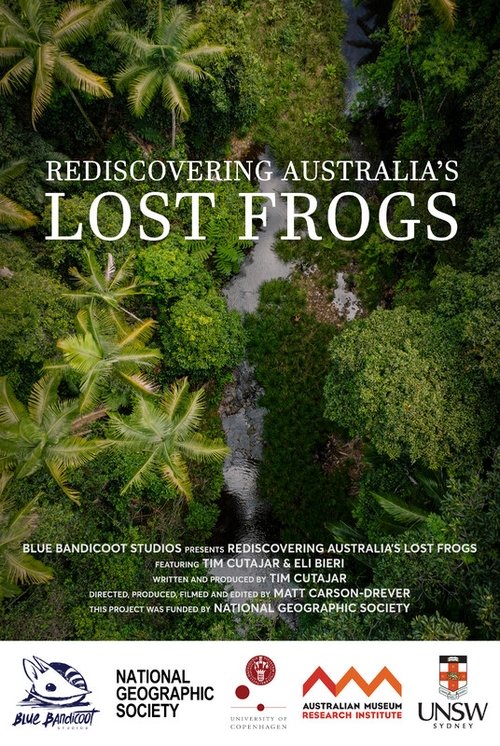
Join Australian Museum and UNSW Sydney PhD Candidate and Nat Geo Explorer Tim Cutajar as he searches for the feared-extinct Southern Gastric Brooding Frog (Rheobatrachus silus) in the Sunshine Coast hinterland. Using environmental DNA, Tim and the team are trying to detect any trace of this species, which has been missing since the early 1980s. Taking samples from water, air and frog-biting, blood-sucking flies, the team are trying to forensically detect this missing species.
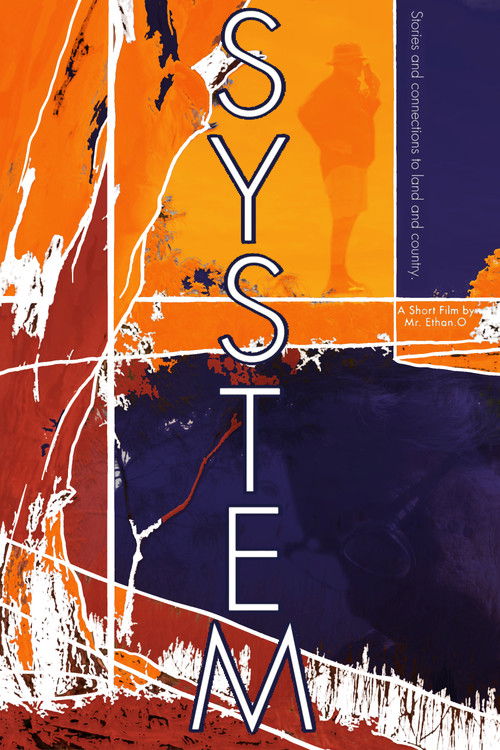
System (2025) is a short documentary film exploring intergenerational connections to land and country. Interviews with Aunty Denise Morgan Bulled, a Yorta Yorta Elder; John Toll and his family, fourth-generation farmers in Gunbower wetlands; and two Local 10 year olds, Harry and his friend Mac. The film reflects on how the river system shapes their daily lives, impacts their quality of life, and influences their passion for country.
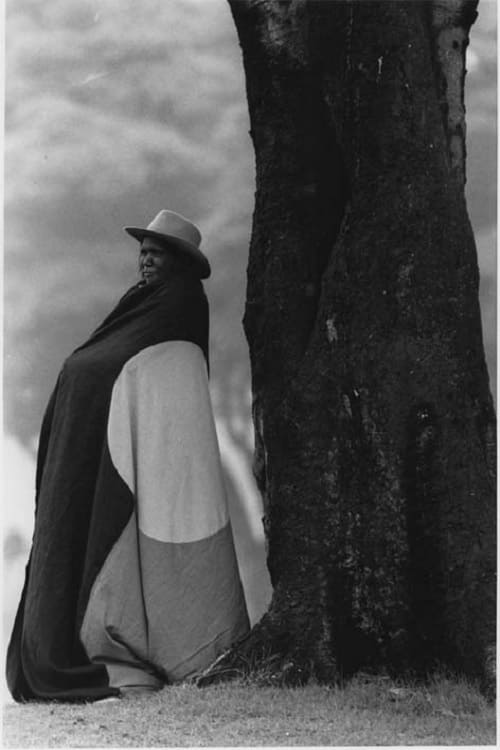
In her second film, MY LIFE AS I LIVE IT (1993), Essie Coffey returns to her home in Dodge City where she and the A-Team are running in the shire elections. Inter-cutting between 1993 and 1978, the film presents the fascinating contrasts of a society in transition. Some of the kids we met in the earlier film now have families of their own and are involved in education, art and sports. Others are drifting, trying to cope with alcohol and depression. Most significantly, community programs offer the possibility of dignity and self-determination. In this film, Essie shows us the Community Development Employment Program (CDEP) making a real difference. Although the CDEP has now come under attack from the Federal government, MY LIFE AS I LIVE IT portrays the CDEP as providing meaningful work and services to an impoverished remote community.