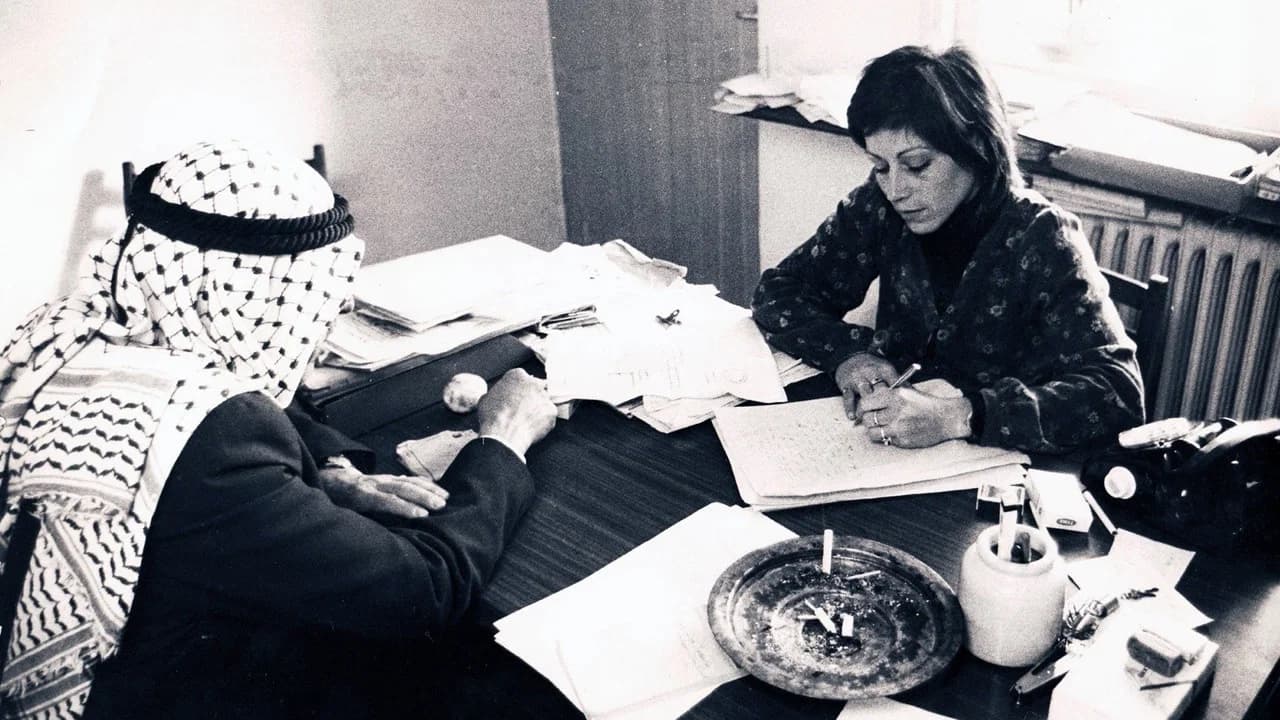

Lea Tsemel
Lea Tsemel
Herself
Lea Tsemel, a Jewish-Israeli lawyer, defends Palestinians: from feminists to fundamentalists, from nonviolent demonstrators to armed militants. As far as most Israelis are concerned, she defends the indefensible. As far as Palestinians are concerned, she’s more than an attorney,…
Herself


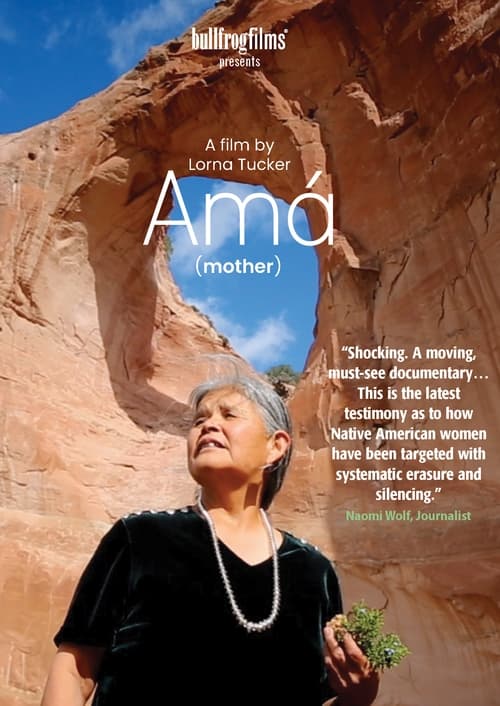
Amá is a feature length documentary which tells an important and untold story: the abuses committed against Native American women by the United States Government during the 1960’s and 70’s: removed from their families and sent to boarding schools, forced relocation away from their traditional lands and involuntary sterilization. The result of nine years painstaking and sensitive work by filmmaker Lorna Tucker, the film features the testimony of many Native Americans, including three remarkable women who tell their stories - Jean Whitehorse, Yvonne Swan and Charon Aseytoyer - as well as a revealing and rare interview with Dr. Reimart Ravenholt whose population control ideas were the framework for some of the government policies directed at Native American women.
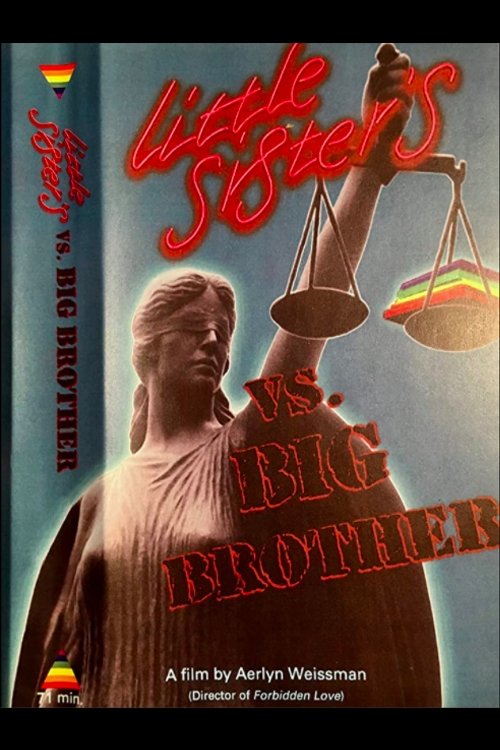
This documentary, filmed over a 10-year period, centers on the debate over censorship as it follows Vancouver's Little Sister's Bookstore and its 20-year struggle with Canada Customs over the seizure of books. In the face of bigotry, bombings and repeated book seizures, it wages the most important legal battle in history against Canada Customs.
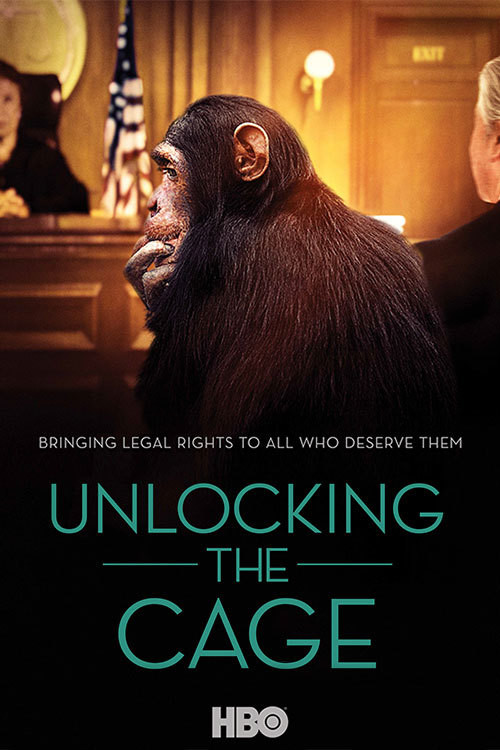
Renowned filmmakers D A Pennebaker and Chris Hegedus follow determined animal rights activist Steven Wise into the courtroom for an unprecedented battle that seeks to utilize the writ of habeas corpus to expand legal “personhood” to include certain animals. Wise’s unusual plaintiffs—chimpanzees Tommy and Kiko, once famed showbiz stars—are now living in filth, struggling to survive. Wise and his impassioned legal team take us into the field, revealing gripping evidence of such abuse and plunging us into the intricacies of their case as they probe preconceived notions of what it means to be a non-human animal.

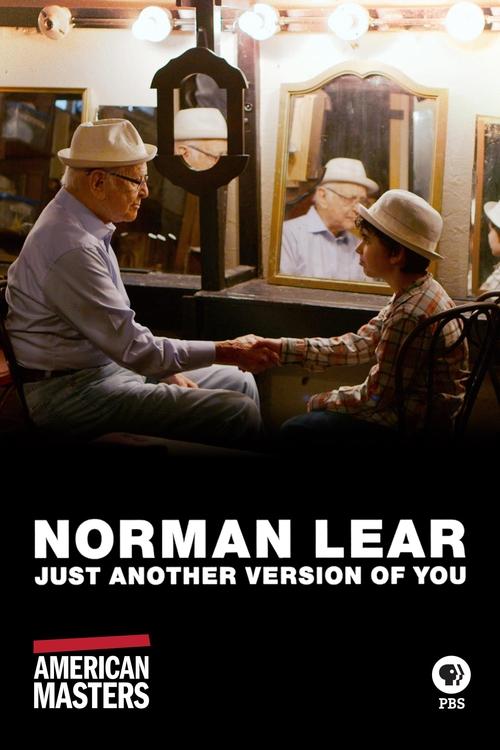
Arguably the most influential creator, writer, and producer in the history of television, Norman Lear brought primetime into step with the times. Using comedy and indelible characters, his legendary 1970s shows such as All In the Family, Maude, Good Times, and The Jeffersons, boldly cracked open dialogue and shifted the national consciousness, injecting enlightened humanism into sociopolitical debates on race, class, creed, and feminism.
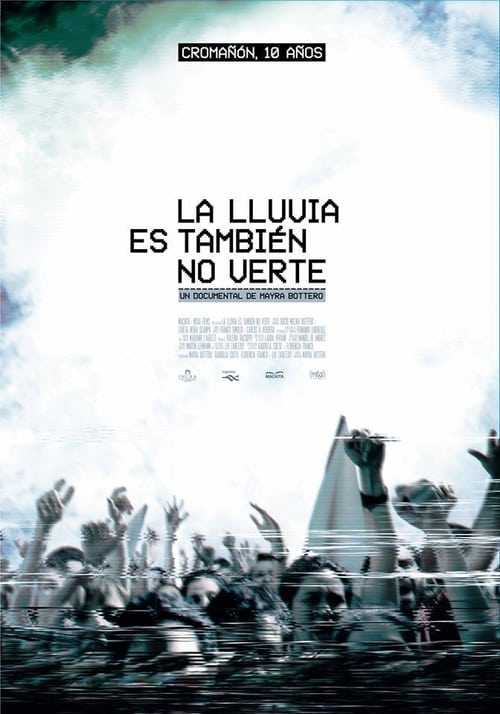
Ten years ago, horror came about in Buenos Aires. During a rock concert in a nightclub, 194 people died in what is known as the tragedy of Cromañón. Since then, survivors together with the victims' relatives and acquaintances began to go through a long and intricate journey looking for justice. But, what is justice? What does it mean to us?
In this tense and immersive tour de force, audiences are taken directly into the line of fire between powerful, opposing Peruvian leaders who will stop at nothing to keep their respective goals intact. On the one side is President Alan Garcia, who, eager to enter the world stage, begins aggressively extracting oil, minerals, and gas from untouched indigenous Amazonian land. He is quickly met with fierce opposition from indigenous leader Alberto Pizango, whose impassioned speeches against Garcia’s destructive actions prove a powerful rallying cry to throngs of his supporters. When Garcia continues to ignore their pleas, a tense war of words erupts into deadly violence.