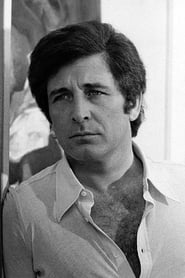
Ugo Pagliai
Alberto
Also known as The Sinner on UK VHS, this one could almost be mistaken for a D'Amato Black Emanuelle film (as well as Jess Franco who also had a film with the same video title). The Italian title translates as The Moon-Skinned Girl, a reference to the amazingly attractive Zeudi…
Alberto

Helen

Simone

Giacomo
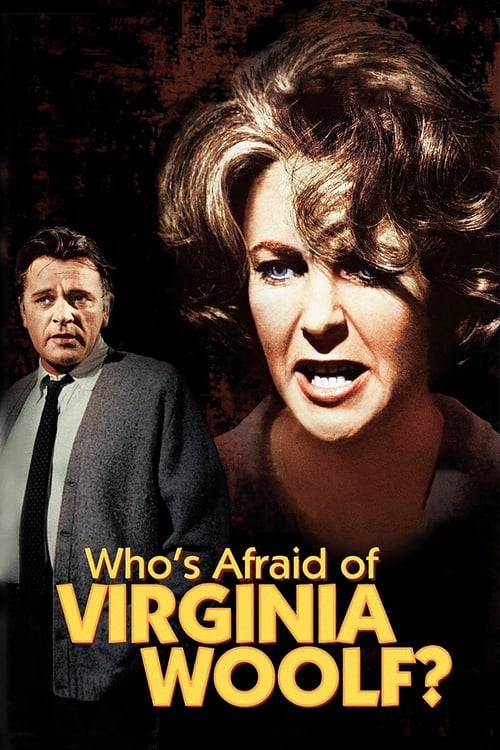

The Ysbreeker family -- mother Jolien, father Frank, daughter Roos and son Teun -- are enjoying their annual holiday on a camping site in France. Teun is at the beginning of his puberty and can't quite control his hormones. Roos, a teen girl in the middle of her puberty, is more interested in her first camping love than in her own family. Teun notices that his sister is becoming a woman, in all different ways. How does he react? Does it have any influence on the brother-sister relationship?

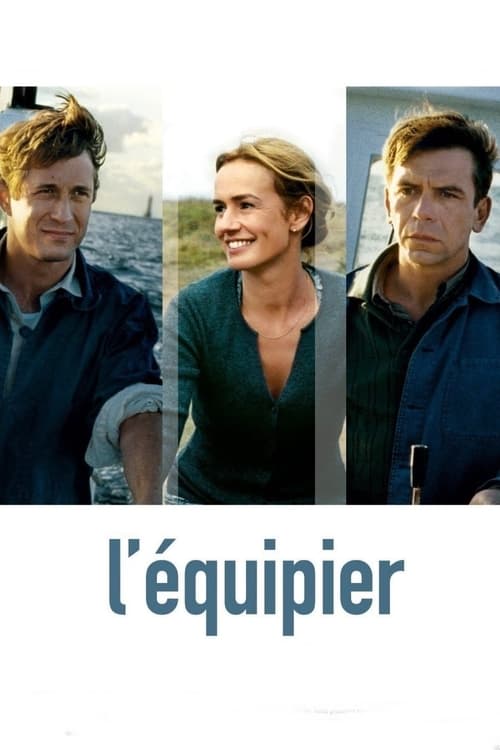
Camille arrives in Ouessant, the island of her birth off the Brittany coast, to sell the family home. She spends a last night in the house during which she discovers a secret. In 1963 a man came to work with her father, who was the Jument lighthouse operator. He only stayed two months, but his presence proved to be a disturbing catalyst.
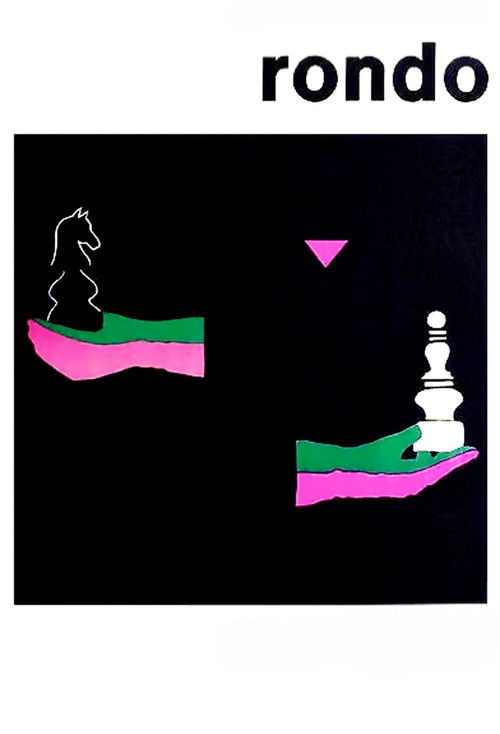
Every Sunday, lonely bachelor and refined judge Mladen goes to play chess with his friend, sculptor Fedji. Slowly, he engages in a love affair with Neda, Fedia's wife, and almost invisibly, a love triangle forms. Chess board is the central part of the film, as moves on the board reflect emotions of the characters.
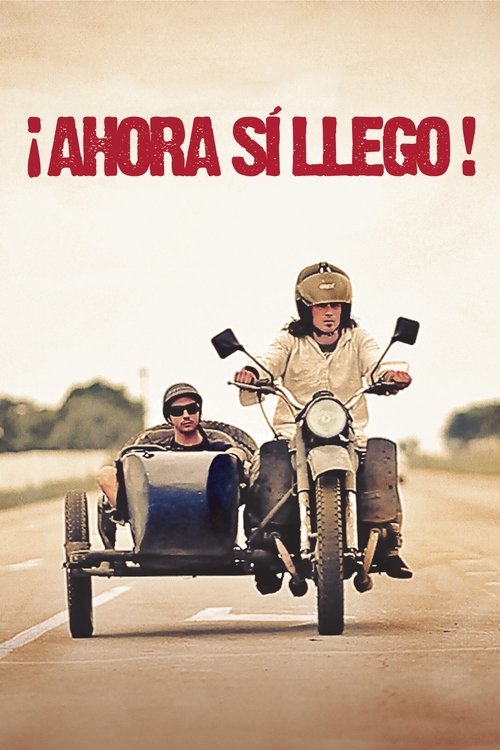



Parisian everyman Antoine Doinel has married his sweetheart Christine Darbon, and the newlyweds have set up a cozy domestic life of selling flowers and giving violin lessons while Antoine fitfully works on his long-gestating novel. As Christine becomes pregnant with the couple's first child, Antoine finds himself enraptured with a young Japanese beauty. The complications change the course of their relationship forever.
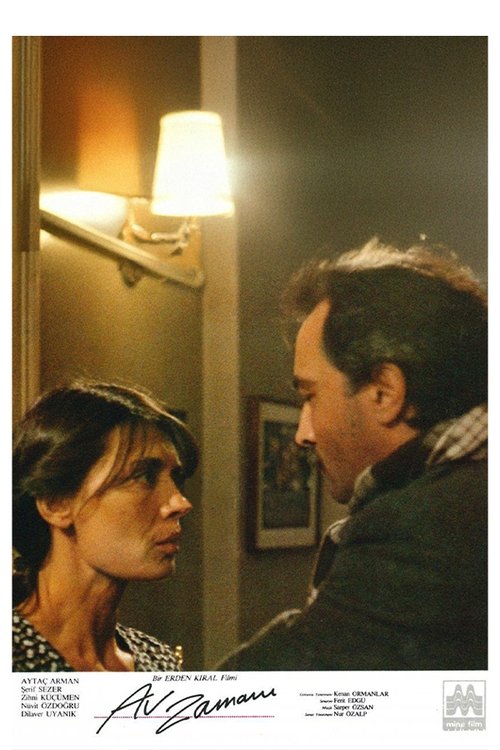
During the year of the repressive military regime, a Turkish writer gets disillusioned by the loss of a dear friend and retires to his hometown on a remote island where he feels safe from the political turmoil. There he escapes to the world of memories, having imaginary conversations with his dead friend. However, the news of a new murder alerts him to the dangers lying ahead. Shot in Turkey following the years of military regime, Av Zamani carries autobiographical elements as the director Erden Kiral also had to flee the repressive regime of his country to be an exile in Germany. The weakness of the film is that the director is not able to take enough distance from the events to give the story a more universal appeal. Av Zamani was screened at the Montreal World Film Festival 1988.