Loading titles…
No cast information available.

Director Junge was commissioned by the GDR in the country for the first time in the summer of 1970; his film In Syria auf Montage accompanies German engineers who train workers in the Homs textile factory. Shortly after filming ended, Hafez al-Assad put himself under the dictator. Twenty years later emerged ... the father stayed in the war over a youth club with Syrian orphans in Bad Saarow, whose fathers had died in the Lebanon war and accompanied them to Syria, where they were housed in separate, elite "schools of martyr children". Multi-faceted documents that oscillate between peaceful and tense, hopeful and unsettled.
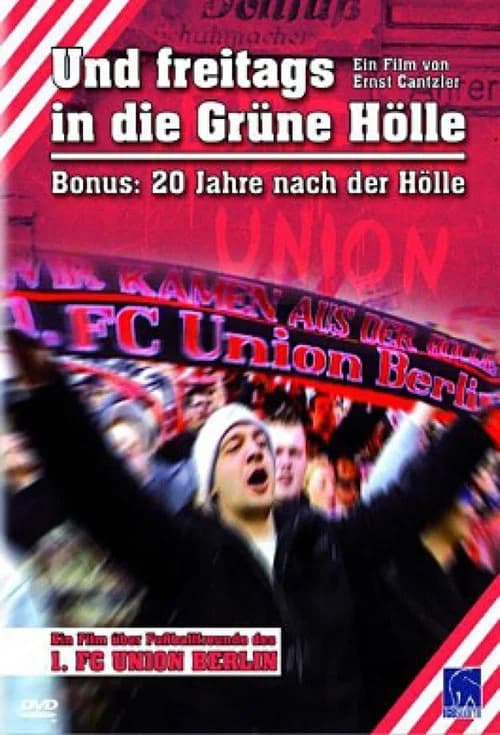
Ernst Cantzler’s documentary about the soccer fan club “Union”, the scenes in the stadium, in their club bar “Green Hell” and in the streets of Berlin was a sensation. The scenes shown by the director and his cameraman had never been seen before: young soccer fans full of violence in the “first German peaceful state”. They are Hooligans who live from one weekend to the other just to get it all out. They want to scream, kick, hit and drink.

In 1990, when Bischofferode entered the market economy, potash production in East Germany was in third place in the world's export ranking and in West Germany in fourth place. Bischofferöder Kalisalz is of a special quality and the plant therefore had loyal customers in Western Europe, especially in Scandinavia, even before the fall of the Wall. In the West, there is a major competitor - BASF subsidiary Kali und Salz AG from Kassel. The film reconstructs the mega-deal in one of the world's most important raw materials markets. The so-called potash merger was the biggest economic deal of German reunification, which has cost the taxpayer almost two billion euros to date. The Free State of Thuringia - the federal state with the best potash deposits in Germany - is still the big loser of the mega-deal today. Thuringia may be rich, but it loses almost all its potash mines, along with Bischofferode, and now has to spend millions of euros each year to rehabilitate and secure its mines.
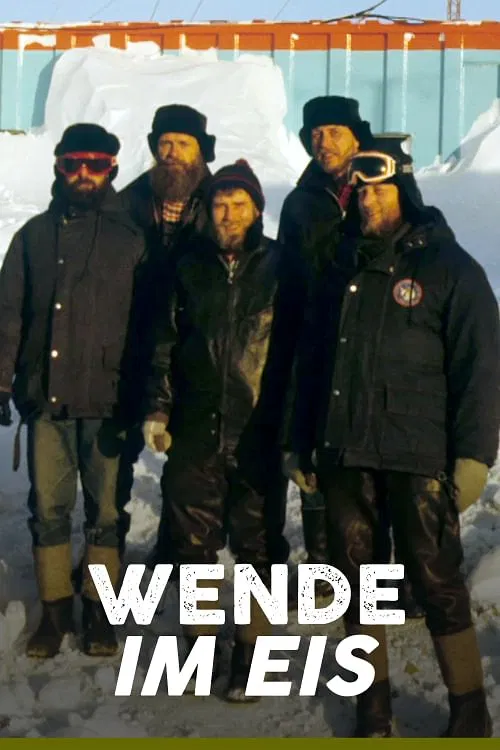
In 1989, thirteen GDR scientists and technicians set off from East Berlin to the Georg Forster research station in the Antarctic. During their expedition the Berlin Wall fell on November 9th. Cut off from the images that go around the world, the men can only experience the historical events passively. When they returned in the spring of 1991, their homeland was a foreign country. The documentary reconstructs the thoughts and feelings of the East German researchers on the basis of eyewitness accounts, diary excerpts, letters, film material, grandiose landscape shots from the location of the action and unique photos to make the consequences of the events tens of thousands of kilometers away on the small GDR expedition in the middle of the eternal ice tangible.

Heiko, 51, a sheet metal former trained in GDR times, unemployed since the fall of the wall, pisses on his bed and on the carpet. The film encounters Heiko's dysfunctional family history and his decision to be alone forever. Piss and GDR, a reflection of how deep the consequences of the fall of the Wall are still in the bodies of some people to this day.

Seven directors remember their childhood and youth; to the 50s and 60s in the GDR. They appear to be curious, vulnerable children and teenagers who also want to be cool (even though the word doesn't exist for them yet). They live in well-adjusted or resistant families. Some only in half because their father left for the West. Depending on their family background, they want or should help build the new, better Germany.