


Loading titles…

Narrator
The four adult heroes and heroines of the film, who were selected in a casting call posted on TV, speak candidly on camera from the very beginning of their memories. Through individual stories, they describe their childhoods, family backgrounds, life at school, and how they spent their free time. The stories complement each other and are intertwined; we see emotions and hear things that reveal the horrific DNA of domestic violence. The documentary addresses the issue of abuse with an emphasis on the entire social environment of the victims and the societal underpinnings. Typical of domestic violence is that victims often hide it within themselves; they do not talk about it, and sometimes they do not even admit it. But in the documentary, they were determined to speak out.

Mother-of-two Judy Malinowski, then 31, was doused in gasoline and set on fire by her crazed boyfriend – and one of the first ever to testify from beyond the grave, at the trial for her own murder. A story that lives at the intersection of true crime and #MeToo, THE FIRE THAT TOOK HER goes deep inside a landmark case to ask a timely question: How much must women suffer in order to be believed?

For over thirty years, three women have languished in Missouri State prison under unjust sentences for killing their abusive husbands. Denied the opportunity to enter the abuse into evidence, each of the women represents a system broken by outdated and media-sensationalized stereotypes. When a greater understanding of the "battered" syndrome change legal practices in 2000, Missouri's Governor crafts a new law demanding the parole board reevaluate each woman's case.


Their job is stealing, their lives a cruel dead end. Director Jon Alpert takes his cameras undercover for this hard-hitting look at men who live by theft and suffer addiction. Focusing on a year in the lives of three professional criminals, this gritty profile—which includes hidden-camera footage of actual thefts—exposes the "petty" crimes that are paralyzing America.


When Tehran hosts visiting foreign dignitaries, the local authorities clean up the city’s urban image through the controversial process of ‘urban beautification’. Those who are deemed unsavoury are rounded up – drug users, prostitutes and the homeless who sleep in cardboard boxes on sidewalks and who they would rather remain unseen. When these very important people leave, the men are released but the women are kept as wards of the state. An animated documentary made using hand-crafted cardboard miniatures and the voices of women to tell their story, one that has been five years in the making. A story that shows how the face of a city can change, but what is underneath often does not.

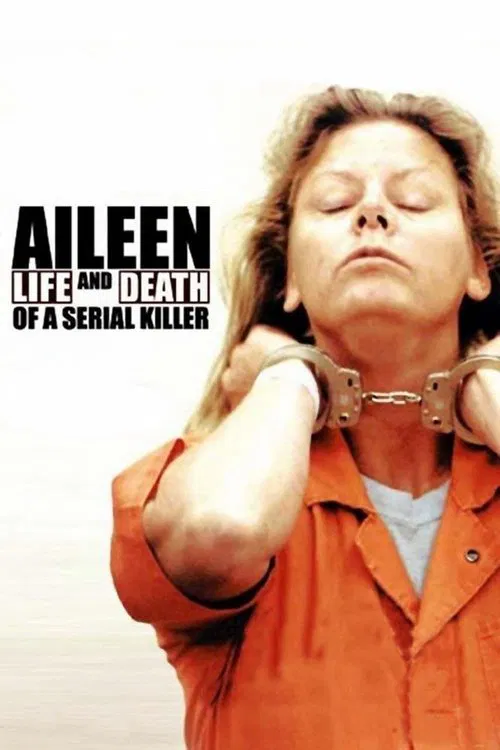
British documentarian Nick Broomfield creates a follow-up piece to his 1992 documentary of the serial killer Aileen Wuornos, a highway prostitute who was convicted of killing six men in Florida between 1989 and 1990. Interviewing an increasingly mentally unstable Wuornos, Broomfield captures the distorted mind of a murderer whom the state of Florida deems of sound mind -- and therefore fit to execute. Throughout the film, Broomfield includes footage of his testimony at Wuornos' trial.

