
Loading titles…

Caroline

François

Kevin

Lilah

Françoise
Pierre

Ali

Matteo

Neige
Anne
Son of Neige
Son of Neige
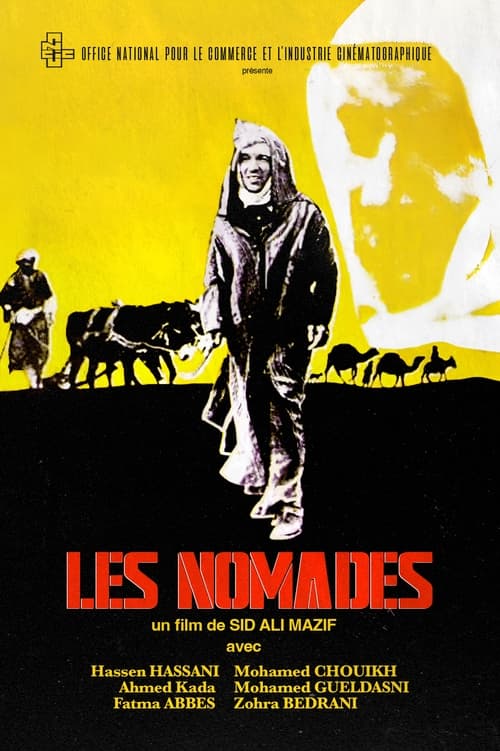
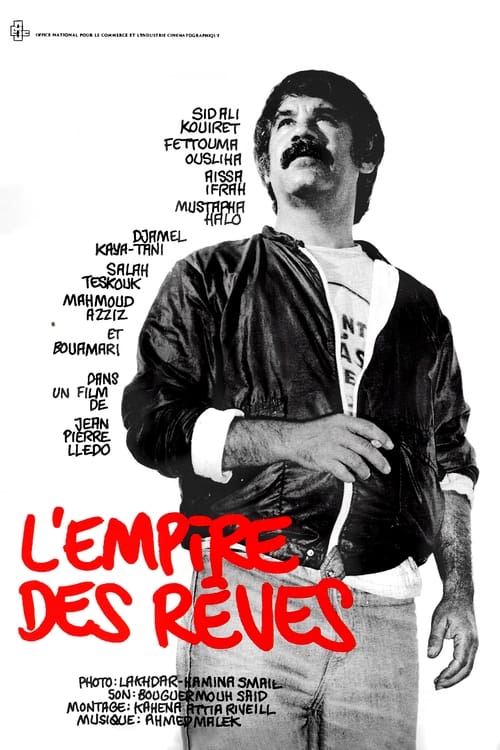
When their father dies, three nomadic sons choose different voices. The first part for the city, the second tries to live as its ancestors develop and the third integrates one of the new agricultural cooperations. "A pastoral society (1,500,000 inhabitants) on the threshold of decisive choices, destructured by the evolution of economic relations which lead to the concentration of herds in the hands of a few, to the support of rangelands and to the movement of impoverishment and proletarianization of the greatest number. The attitudes of the protagonists occur in relation to the economic and political involved in the process of agrarian revolution. The alternative lies only in the free adherence of small breeders to the forms of economic and social reorganization of the Agrarian Revolution and their insertion in the profound movements of social and political change that affect Algerian society." Sid Ali Mazif
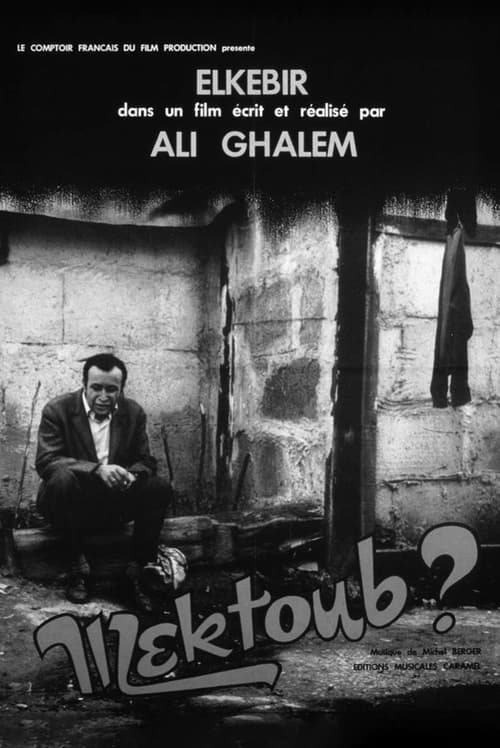
Ahmed, an Algerian laborer and young father, leaves his country and arrives in France, hoping to find a job through Salah, a friend who has been living in the Paris suburbs for several years. He is disappointed when he arrives in Nanterre, where Salah lives in a shantytown. Without any support, Ahmed has to make the daily rounds of the employment offices, like so many other immigrants who, like him, have been lulled into complacency.
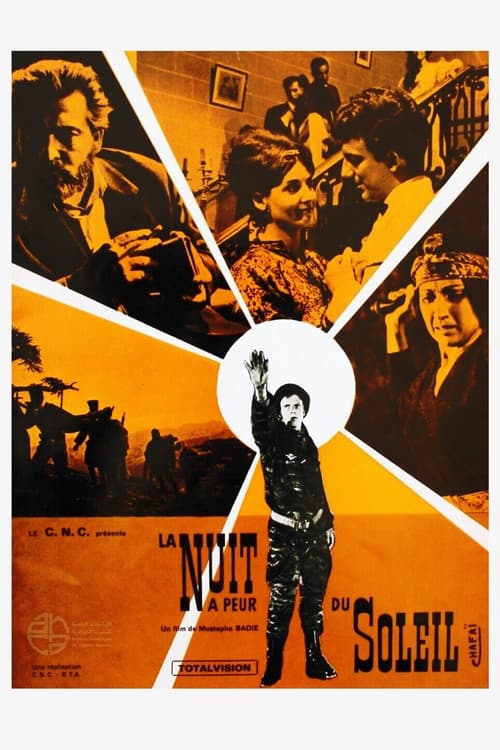
Historical film in four scenes which retrace the returns, the progress and the outcome of the war of liberation in Algeria. The first painting, “The land was thirsty” describes aspects of injustice and colonial oppression. The second “The Paths to the Prison” recounts the sufferings of the people engaged in combat. The last two are the stories of two lives.
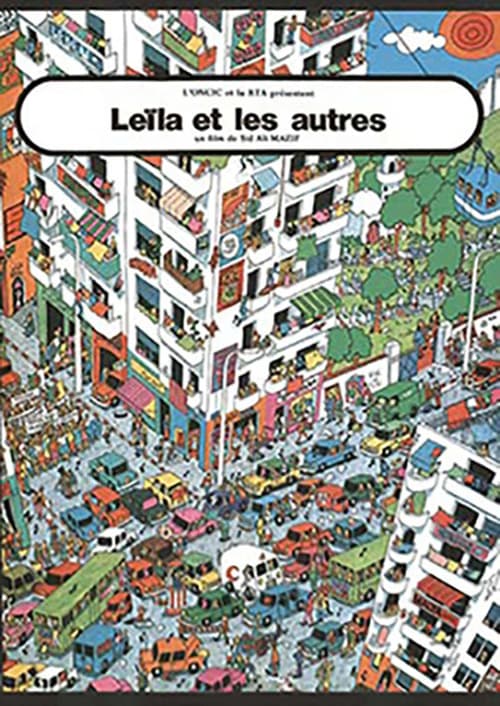
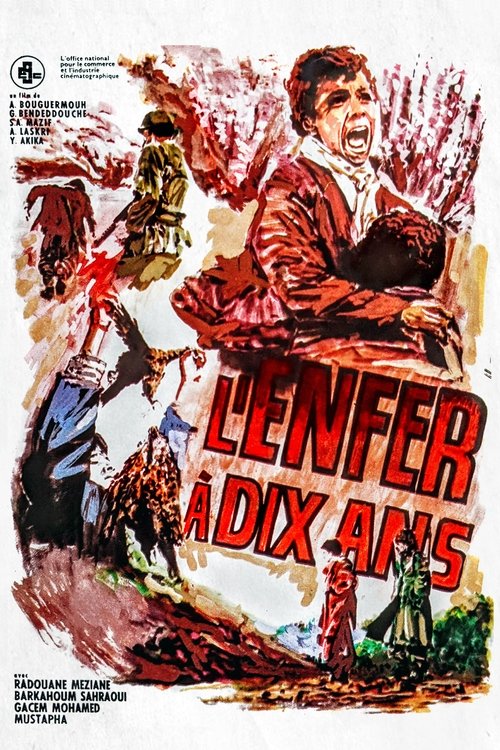
This film was considered a testing ground for young O.N.C.I.C. directors. Today there is no longer a copy and the negative was accidentally destroyed. The Algerian Cinematheque has a copy of the very beautiful part shot by Abderrahmane Bouguermouh "La Give": A young schoolgirl from Kabylia is tasked by the resistance fighters with transmitting a message which is hidden in a thrush...
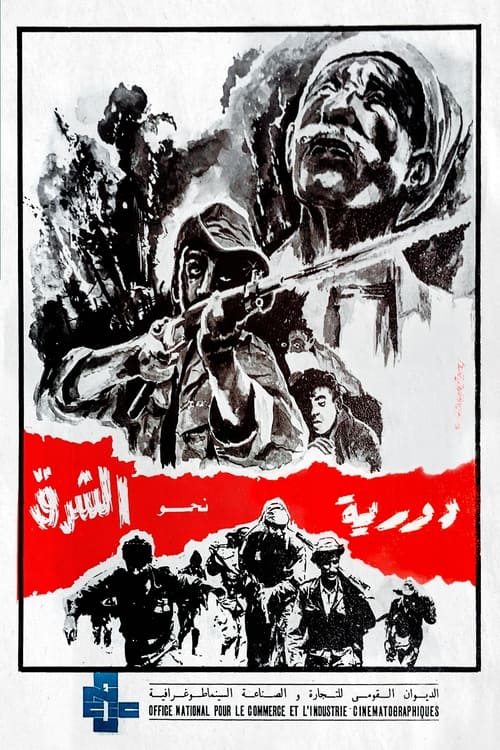
The film traces the story of a patrol of the Algerian National Liberation Army (ALN), whose mission is to transport a prisoner French soldier to the Tunisian border. Through the march of this group of guerrillas we witness the spirit of sacrifice and combativeness of these men from the people. The patrol will be decimated, but a young peasant will take over and complete the mission.

In Algiers, during the Algerian War of Independence, one of the leaders of the FLN was arrested by the French colonial army, which used the most violent methods to make the prisoners speak. The use of torture poses a conscience problem for a French officer. Playing shot-reverse-shot, between the tortured and his torturer, in a suffocating camera, Mohammed Lakhdar-Hamina approaches torture by drawing inspiration from the story of his father, who died of abuse.
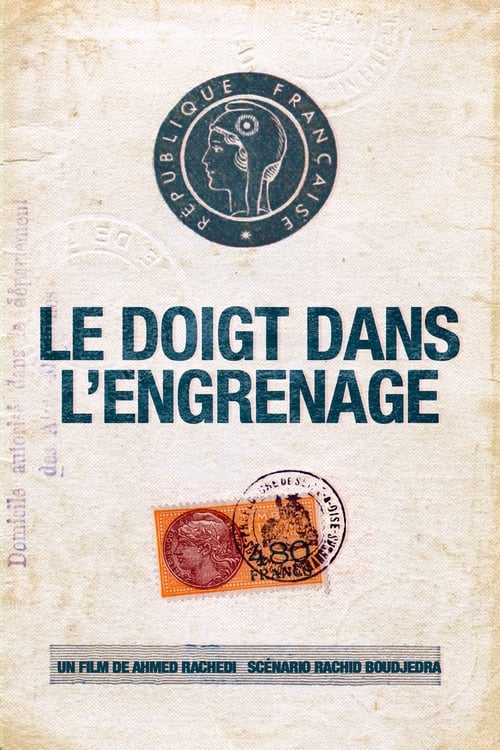
The film mixes fiction, filmed documents and interviews which recounts the arrival in Paris of an Algerian immigrant lost in the metro. On December 27, 1968, France and Algeria signed an agreement which admitted each year 35,000 Algerian workers to French territory in the France of the Trente Glorieuses where the annual growth rate reached 5% and where factories lacked workers. Candidates obtain a residence permit valid for 5 years for themselves and their families. Paris is committed to improving professional training and housing conditions for immigrants, too often confined to the most thankless jobs and often housed in slums. A testimony on the living conditions of emigrant workers "economic cannon fodder" of neocolonialism which simultaneously develops its alter ego, institutionalized racism, as a tool of social stagnation and division of the proletarian class.
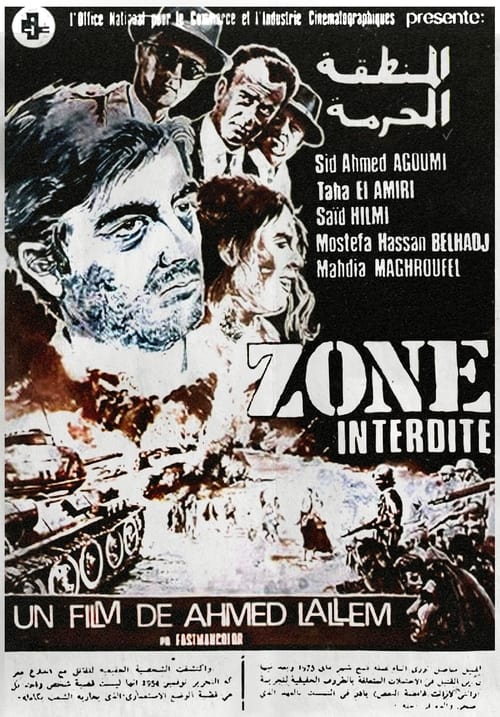
In an Algerian village, just before the war of independence, the inhabitants are under the thumb of a local strongman and a wealthy merchant. Among them is El Faïza, an old woman searching for her son who has escaped from prison. The gendarmes arrest El Faïza and seize the property of the villagers who haven't paid their taxes. The situation is ripe for a revolt…