Loading titles…
Documentary
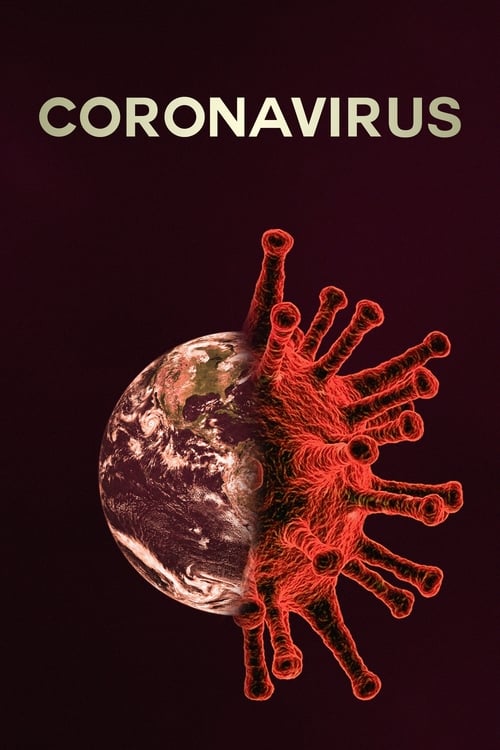
Epidemics are rare events but when they do occur, they can be devastating. Throughout human history, many viruses have claimed lives and caused panic throughout the world. How prepared are health officials for future outbreaks? And what does the latest viral research reveal…
No cast information available.
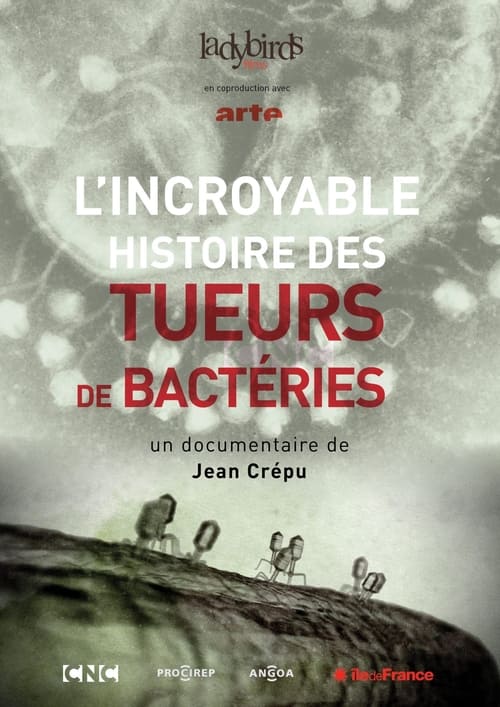
More and more bacteria are becoming insensitive to antibiotics, not least due to excessive drug consumption. According to the EU, this problem could soon become as explosive as the environmental issue - and antibiotic resistance threatens to become one of the main causes of death worldwide. Research must therefore find alternatives - not miracle cures, but permanently effective drugs. There has already been one in the past: One hundred years ago, the French biologist Félix d'Hérelle discovered mysterious "bacteria-eating" viruses, known as bacteriophages or phages for short. He used these to successfully treat bacterial infections before the development of antibiotics, but his method was forgotten again. Is bacteriophage therapy the miracle medicine of the future?

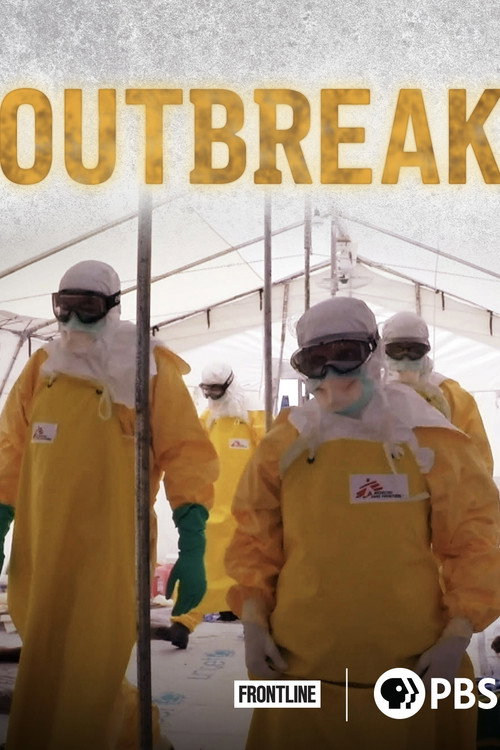
FRONTLINE spent months on the ground in West Africa, tracing the Ebola outbreak’s path through Guinea, Sierra Leone and Liberia in 2014 and 2015 and uncovering the hidden story of what happened before the world started paying attention. The documentary shared firsthand accounts from survivors and victims’ family members — from the forest region of Guinea to the bustling Liberian capital of Monrovia — including the father of a one-year-old Guinean child who was believed to be the first person to die in the outbreak.
From as far back as the black plague all the way to the latest Ebola scare we are always a step behind when it comes to our battle against pandemics. The common though of "it needs to break out before we come up with our defense" is being debated. Why not preventive? This documentary delves into the dark scenarios in which not only biological threats but also technological ones like computer viruses could spell the end of humanity as we know it.
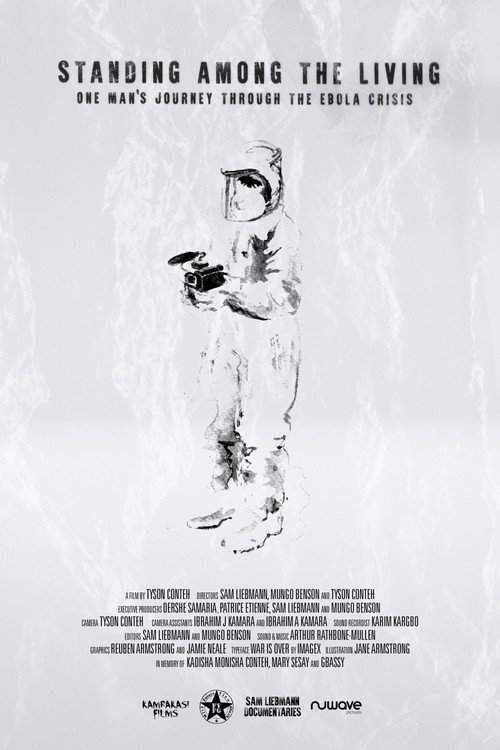
As the latest outbreak of the deadly Ebola virus continues to spread in the Democratic Republic of the Congo, this remarkable film reveals the full horror of a full-scale Ebola epidemic - that which hit Sierra Leone in 2014. By the time it was brought under control, eighteen months later, more than 3,500 were dead and thousands more infected. The film begins as Ebola arrives in one of Sierra Leone’s main towns, Makeni, home to a local film-maker Tyson Conteh. Tyson and his film crew risked their lives to record at close quarters the tragedy unfolding around them. Sadly, not all of the film-makers survived. But what they recorded over months of filming isn’t just recent history - “Standing Among the Living” provides a grim warning for the future.

Even today there is still a certain resistance to recognizing the aesthetic revolution caused by Virus in the early eighties. The audacity of Federico Moura at the head of the La Plata's band exceeded the limits of rock and is still a source of art-pop knowledge. Imágenes Paganas explores that tension and rejection in times of dictatorship, a scourge that the Moura family paid with the disappearance of Federico's older brother. The documentary by Costantino inaugurates a time of historical reparation with Federico Moura as a warrior of modernity.