Loading titles…
No cast information available.

Luis Barragán (1902- 1988) is considered to be one of the greatest contemporary architects and one of the principal figures of twentieth-century international architecture. Since 1980, when he was granted the Pritzker Prize - the "Nobel Prize" of architecture - the poetry of his architectural language garnered vast international attention. This genius of architecture and design has forged an original style that is unmistakably Mexican and yet universal at the same time.
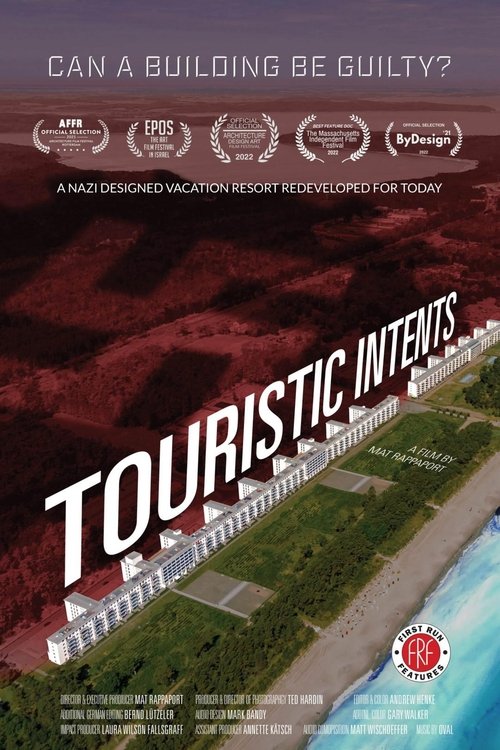
touristic intents is a feature documentary film that explores the connection between mass tourism and political ideology. The film is centered on a case study: the never-completed Nazi resort of Prora, on Germany’s Baltic Sea, which was built on a mammoth scale beginning in 1936 to house 20,000 vacationing working-class Germans. This 4-mile-long building was used in propaganda to forward a promise of leisure time for the masses and strengthen sympathies between the workers and the Nazi party. Although the Nazis left the site unfinished, the Socialist East German government continued construction in the 1950s, using it for military training as well as housing for conscientious objectors pressed into labor by the GDR regime. After decades of abandonment, the massive edifice is now being redeveloped into apartments, condominiums, hotels, and a youth hostel.

Fifteen naturally mummified bodies were found during the excavations of 2011 in the old church of El Piquete, —a building that suffered almost total devastation as a consequence for being a refuge for civilians during the Spanish Civil War—, this discovery allowed the creation of the Museum of the Mummies of Quinto where this collection with unique characteristics in Spain is exhibited thanks to the research of historians, scientists, bio anthropologists and archaeologists.

Gustave Folcher, a French farmer, wrote in his 1939 diary that the summer had been long and hot. He was not alone. Many other anonymous French men and women wrote of the beauty and warmth of those summer months and how threats of war were far from their minds. Through home movies, diaries and letters, One Last Summer describes the final weeks of peace in France and the mix of blindness, denial and prophetic clear-sightedness of those facing the war that was about to unfold.
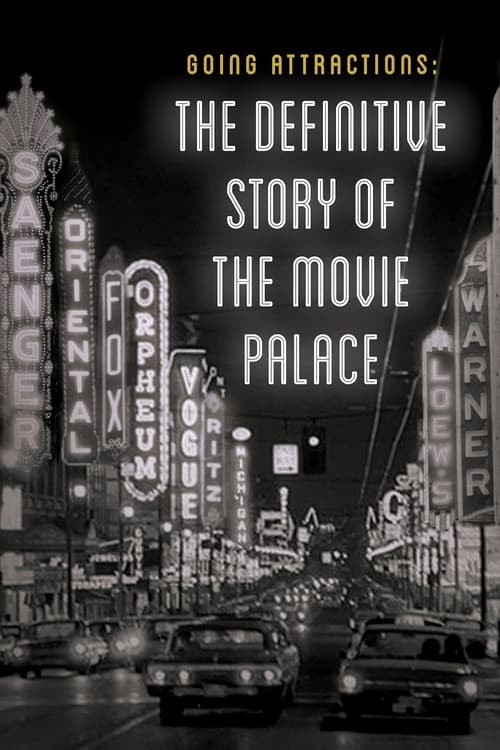
Celebrating the splendor and grandeur of the great cinemas of the United States, built when movies were the acme of entertainment and the stories were larger than life, as were the venues designed to show them. The film also tracks the eventual decline of the palaces, through to today’s current preservation efforts. A tribute to America’s great art form and the great monuments created for audiences to enjoy them in.
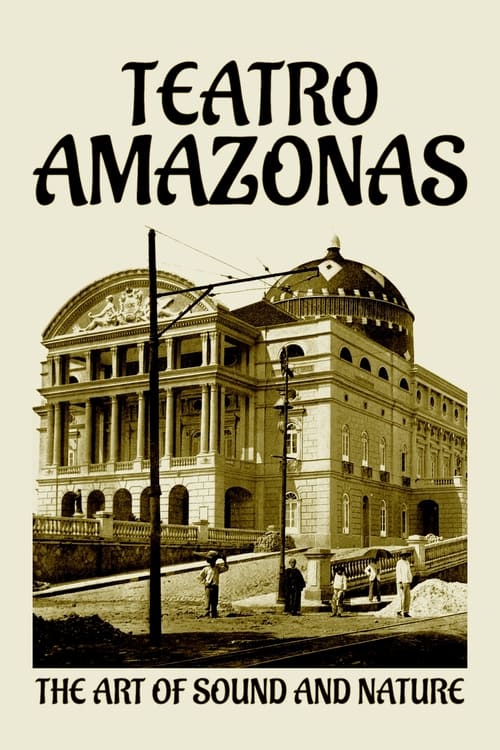
The history of the Teatro Amazonas in Manaus, an opera house located in the middle of the Amazon rainforest, whose construction, between 1884 and 1896, depended on the labor exploitation of the local indigenous populations, provides an insight into the cultural, social and political situation in Brazil.
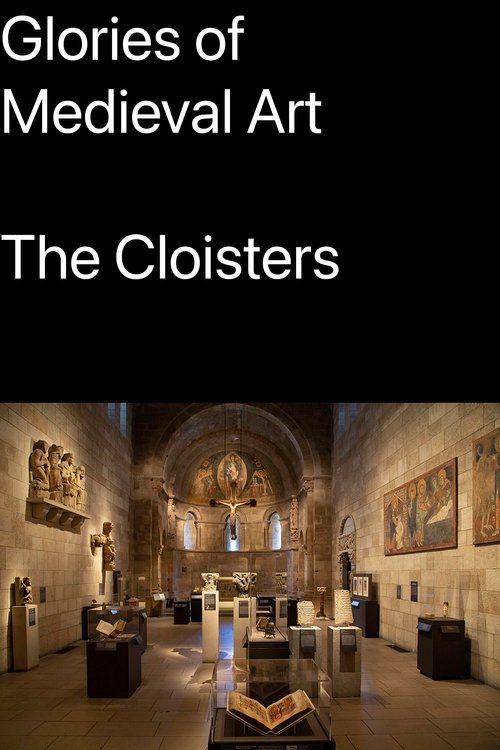
Philippe de Montebello, Director of The Metropolitan Museum of Art from 1977 to 2008, guides viewers through The Cloisters, pointing out Romanesque and Gothic architecture and artwork, beautiful tapestries, and the diverse species in the gardens. He outlines the history of the building and it's many influences and highlights significant works of art in the collection. It was produced in 1989 by The Metropolitan Museum of Art's Office of Film and Television.