Louise von Euler Bjurholm
Louise von Euler Bjurholm
Mime
Television Without Frontiers centers around a 1982 project titled "Eurikon", originally an attempt to establish a transnational public service network. The film brings together media personalities that engage in multilingual conversations in an atmosphere that shifts between the…
Mime
Self - Bandmaster
Self - Host
Self - Bass Guitar
Self - Interpreter
Self - Ice Cream Vendor

Mime

Self - Host
Self - Drums
In 1983, author Ta-Nehisi Coates learned that a 14-year-old boy was murdered in his Baltimore middle school. Upon revisiting the case, he uncovers the truth: Three innocent teenagers were wrongfully convicted and spent 36 years in prison — creating a lasting impact on the accused, the witnesses, and their community.
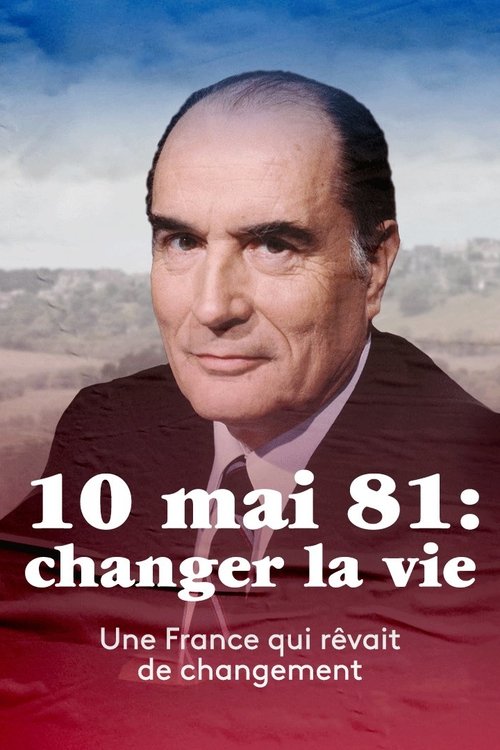
Fourty years ago, in May 1981, with François Mitterrand's election, some people were letting themselves dream about a better life while others were predicting the coming of soviet tanks upon the Champs-Élysées. If we gladly remember the turning point of austerity in 83, there were also the wage rises, the fifth week of paid leave, the abolition of death penalty, the decriminalisation of homosexuality, or the advent of independent radio stations. Rare archives and accounts by those who were at the heart of this story give an overview of it and shed light on lesser-known aspects.
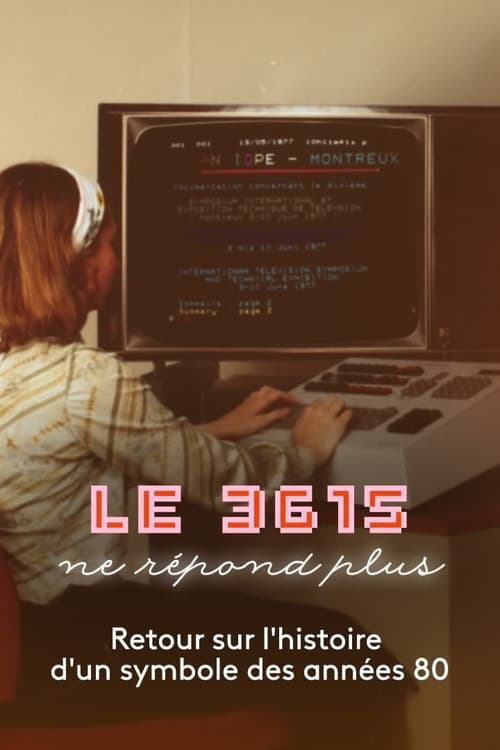
The adventure of the minitel, a small cubic terminal with a folding keyboard that began in the 1970s in the labs of France Telecom, is closely linked to Alsace. Alsatians had then in hand the future tools of interactive communication. What remains today of all those minitel years? Like a nocturnal and intimate road-movie, this documentary went to meet the last people who are still interested in the minitel, this strange beige box of access to telematic services, corny today, but pioneers at the end of the last century.
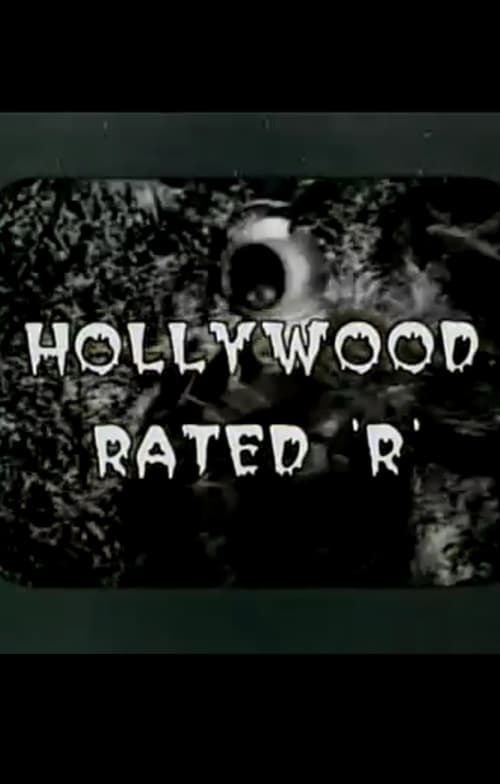
A roller-coaster ride through the history of American exploitation films, ranging from Roger Corman's sci-fi and horror monster movies, 1960s beach movies, H.G. Lewis' gore-fests, William Castle's schlocky theatrical gimmicks, to 1970s blaxploitation, pre-"Deep Throat" sex tease films, Russ Meyer's bosom-heavy masterpieces, etc, etc. Over 25 interviews of the greatest purveyors of weird films of all kind from 1940 to 1975. Illustrated with dozens of films clips, trailers, extra footage, etc. This documentary as a shorter companion piece focusing on exploitation king David F. Friedman.
An essay style film in the vein of Orson Welles' "F For Fake" and Jon Jost's "Speaking Directly". From 2011 to 2013, filmmaker Kristian Day randomly documented the art and actions of the award winning metal sculptor, James Bearden. Refusing to make another artist documentary, Day insisted on illustrating Bearden's creative process through surreal and id oriented story telling.
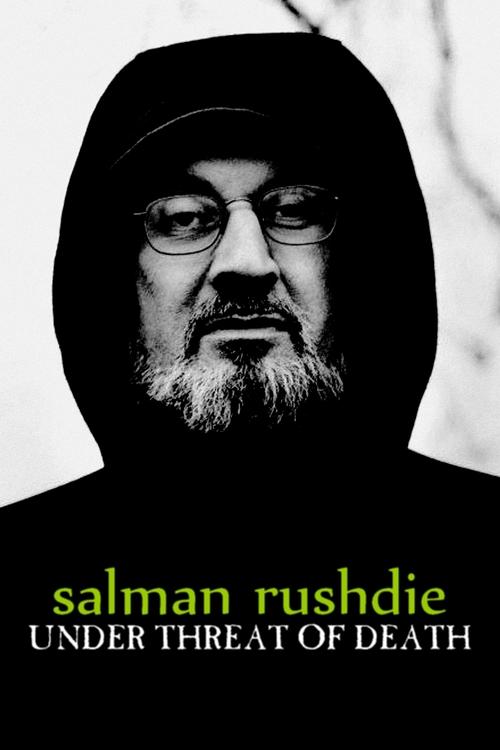
An intimate portrait, in his own words, of the Indian writer Salman Rushdie, author of The Satanic Verses (1988), thirty years after the fatwa uttered by the Iranian Ayatollah Khomeini: his youth in multicultural Bombay, his life in England, his many years of forced hiding, his thoughts on President Trump's United States of America.
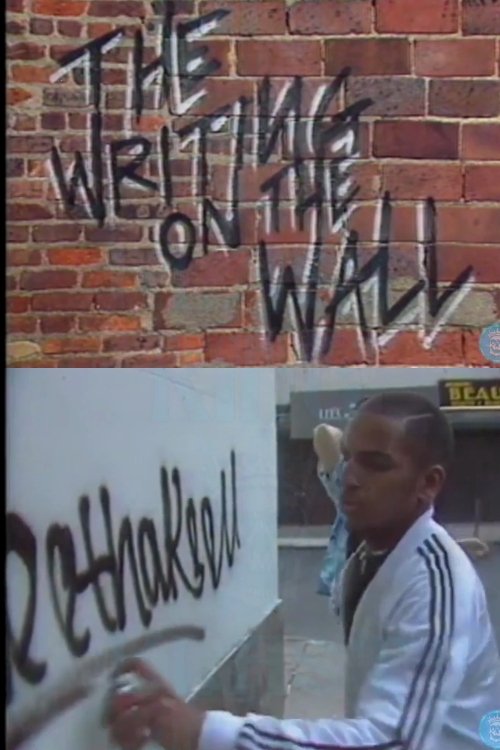
"In this half-hour documentary, Producer Sandra King provides an intimate portrait of a public phenomenon: Graffiti. Over an 18 month period, King and her crew followed the teenage members of a graffiti 'crew,' Vandals on the Street, as they painted and rapped and moved through the streets of downtown Newark. What emerges is a unique glimpse behind the 'tags' at the kind of inner city kids who write on walls, but who also make art; who create out of wedlock children, but who also form binding relationships; who drop out of school and never read a book, but who create their own brand of poetry through the medium of 'rap.'
Self - Hypnotist

Self - Host
Self - Interpreter