

Loading titles…
Documentary / History
Mad dictators, trigger-happy mobs, archaic blood feuds - this pretty much sums up what Western Europeans know about Albania. But reality in this long forgotten Balkan country is much more complex and multilayered. SHQIPERIA - NOTES FROM ALBANIA offers a flow of stories from and…

No cast information available.
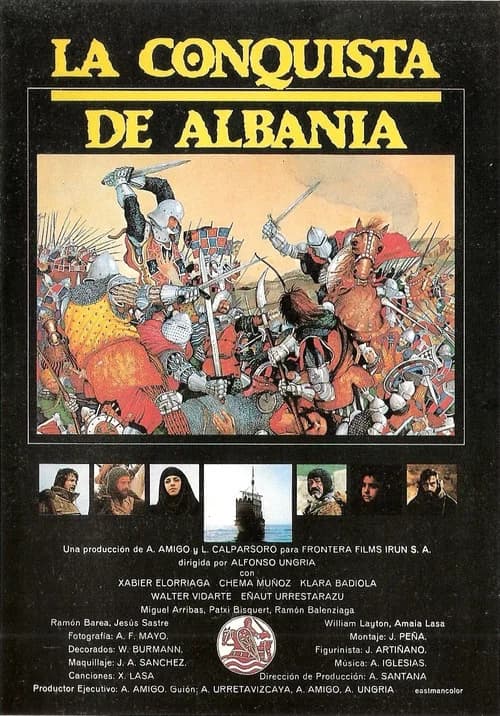
King Carlos II of Spain (r. 1665-1700) once sent his brother Luis to lead a military expedition into Albania and conquer that land for the Spaniards. Since Albania was a part of the dowry of Luis' wife, it seemed like a reasonable idea at the time. While that expedition and its final battle is the subject of this historical film, the scale involved can hardly do justice to the concept. The protagonists talk incessantly, and by the time they get down to the final grand battle, it turns out to be a skirmish between several dozen men.
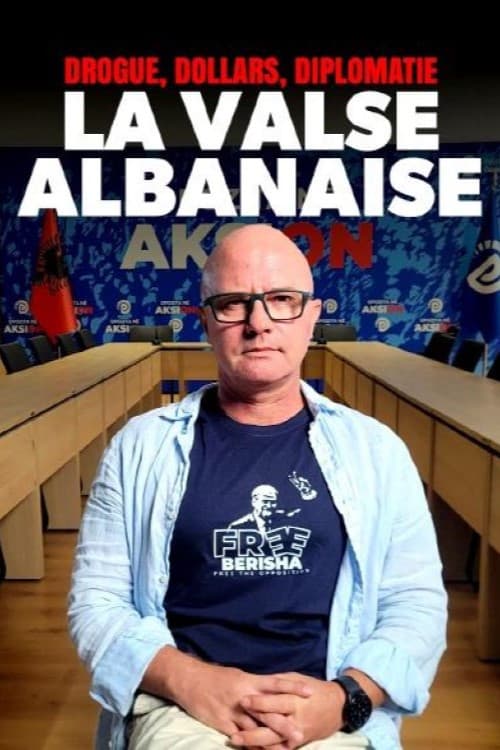
A dream destination for holidaymakers and a magnet for organised crime, is Albania ready to join the European Union? Strategically important in countering Russian and Chinese influence and managing the migration crisis, the EU seems prepared to overlook serious breaches of democratic norms and press freedoms.

In the Kosovo War, human dignity was shattered by the terrors of the Serbian government and the Albanian liberation army. Truths about the victims’ fates faded away, which is why a Finnish forensic research group led by Helena Ranta got a mission to act as an unbiased agent and investigate the real course of events.
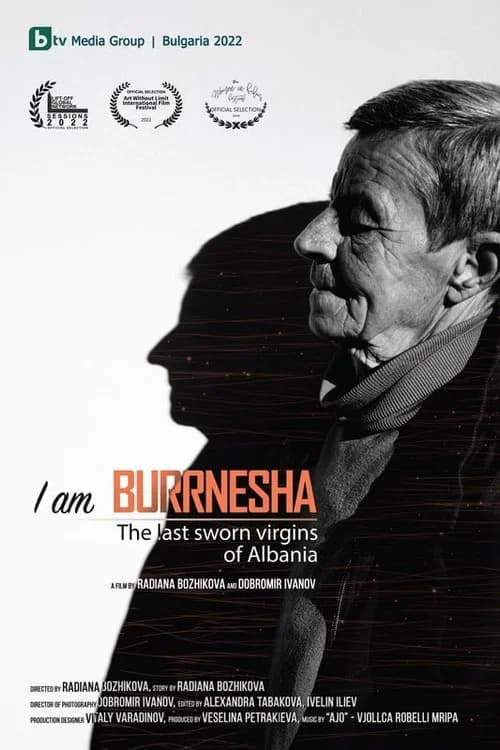
Patriarchal times in northern Albania gave birth to a phenomenon - the replacement of the man at the head of the household by a woman. These are masculine times, in which the woman is only tasked with taking care of the household and raising the children. But, locked in these social roles, girls emerge, ready to abandon their female identity and follow the path of honor. They want to be respected women with the power of a man, not for themselves, but for others. They give up marriage and sexual relations. They choose to live as men. The fall of the regime opened the country to the modern world, but neither communism nor the emerging democracy succeeded in changing the age-old traditions in the isolated mountainous regions of Albania. In the Cursed Mountains, to the north, the last sworn virgins in Europe today live a man`s life.
Made by the highly influential Russian cameraman Roman Karmen, this documentary vividly features Albanian life immediately after the communists came to power in 1944. The film is especially memorable since it’s missing much of the heavy socialist realism that marked Albanian doc making. Shortly after he completed the film, Karmen set off for Berlin to shoot the Soviet victory over Nazi Germany.
The story of Viktor Stratoberdha (1921-1991) mirrors many of Albania’s tragedies. Stradoberdha’s humorous, buoyant style led him to be one of the country’s most promising filmmakers. But after being denounced in 1956, he was expelled from the Kinostudio and sent into internal exile. In 1967, Stratoberdha directed a local theater play in which the economic five year plan was placed in a coffin. He was then jailed for the next two decades. Urime Shokë Studentë! is one of the surviving documentaries of Viktor Stratoberdha’s all too short career.
Within beauty lurks danger: at least that is what Albanian communist censors thought. Which is probably why this lavishly shot and seemingly innocuous tribute to the Albanian landscape – where we see pretty, fashionable young people marvel at historic towns over the Adagio for Strings, among other Western music – was shelved and never seen again until today.

The Balkans 1443 . After a long successful military experience in the Turkish army, the reputation of the young Kastriota reached Albania and people began to hope in his return to his homeland, from which he was taken away as a child. When the Sultan gives the hero the task of facing János Hunyadi, Kastriota will start a journey towards finding his true self and choosing his path.
