Loading titles…
Documentary
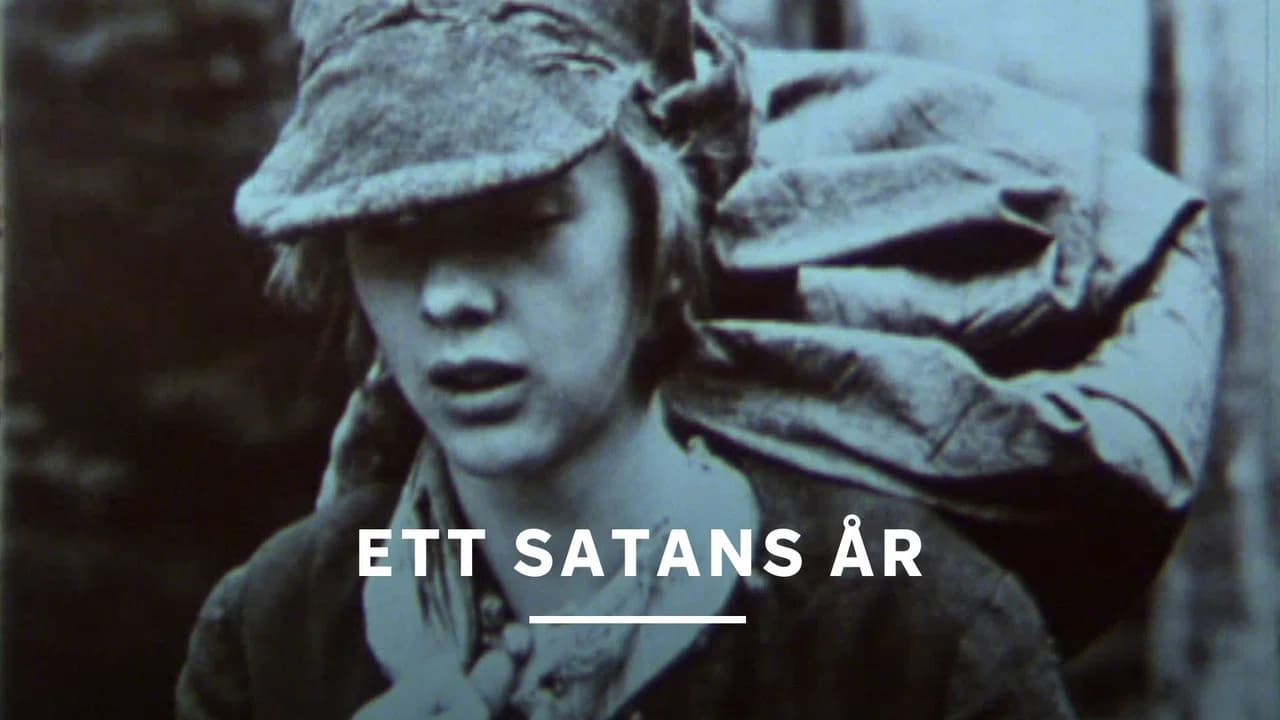
Swedish documentary from 1977. The film is about the last starvation year in Sweden, the emergency year 1867 in Ångermanland. It is a story about people who are hurting, but also about efforts from the outside world to help the developing country Sweden out of the crisis. SVT's…
Nils Petter Wallgren

Cast
Cast


In the shadow of the First World War, the genocide of the Christian Assyrians took place almost unnoticed by the world public. This first systematic genocide of the 20th century was committed by the Young Turks (Ottoman Empire) and would not have been possible without the support of some Kurdish local rulers and their family clans. The Assyrians are the indigenous people of Mesopotamia and have lived in Mesopotamia for thousands of years. The film includes testimony from several European, Turkish and Assyrian historians, as well as genocide researchers, including Professor Taner Akcam, Dr. Gabriele Yonan and Professor David Gaunt. The film includes testimony from survivors of the genocide. Various journalists and publicists also have their say with well-researched information in this documentary. The Assyrians refer to the Genocide as "Seyfo" (ܣܝܦܐ), which translates as "sword".


Swedish filmmaker Mikael Kristersson directs this austere yet beautiful experimental documentary about two European falcons. Shot over the course of two years, Kristersson manages to fashion a narrative without the use of voice-overs or music, showing the falcons as they forage for food and tend to their eggs. Much of this film, though, is spent viewing the world from the falcons' vantage point -- high up on a 13th century church steeple, watching the groundskeeper tending to the village cemetery and the choir boys growing tired of a long religious procession. ~ Jonathan Crow, Rovi

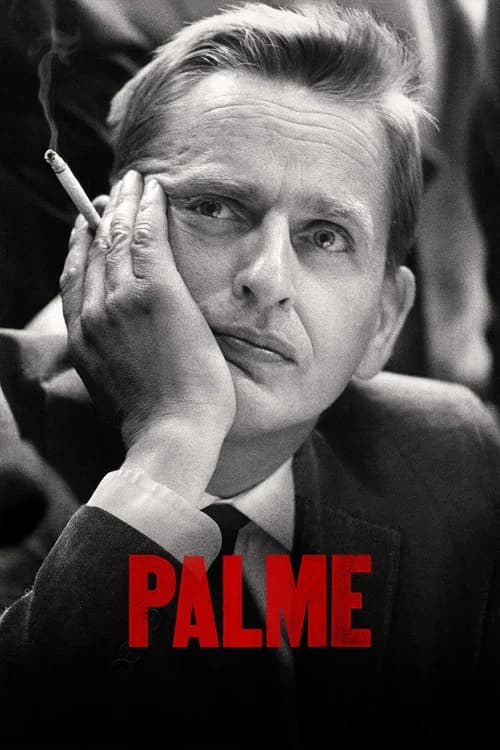

At the height of the cold war a struggle broke out between Governments from all over the world as to which position to take about the system of apartheid in South Africa. Leading the fight was Olof Palmes' Swedish Government, which covertly funneled over US$ 1 billion to the resistance movement. This money was given without the knowledge of either the Parliament or the Swedish populace. At the center of the net in South Africa was a Swedish diplomat called Birgitta Karlström Dorph. Meanwhile at the UN the Swedes with their Scandinavian counterparts attempted to win the argument for economic sanctions. This led to bitter arguments which saw Palme leading the fight against the Reagan and Thatcher administrations.