Loading titles…
Himself / Narrator (voice)
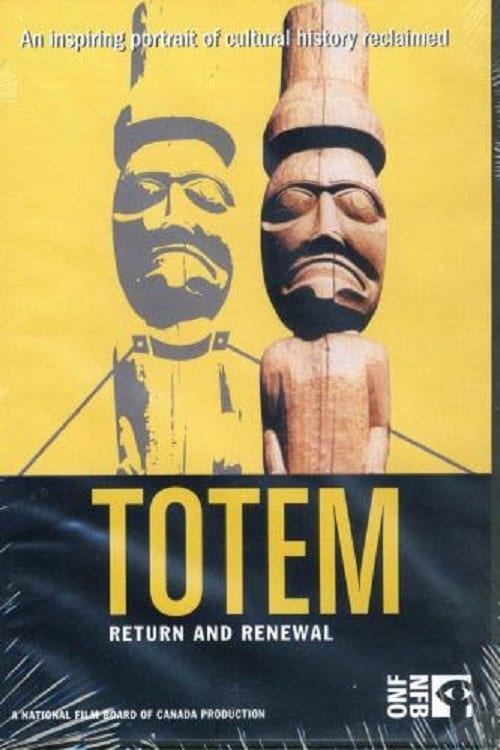
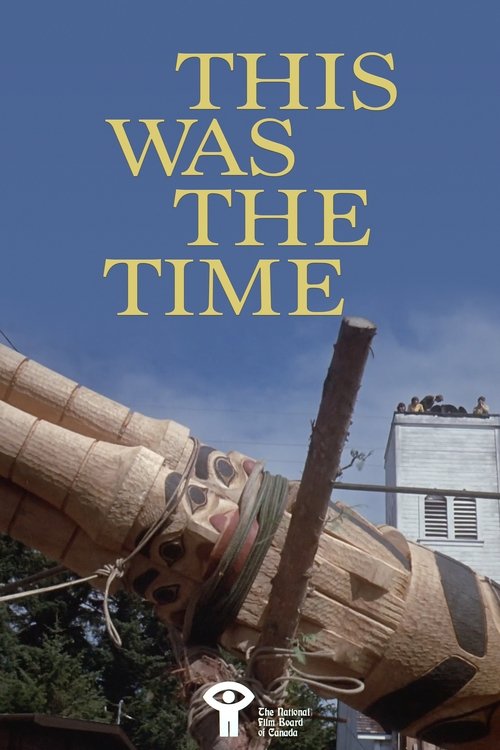
When Masset, a Haida village in Haida Gwaii (formerly known as the Queen Charlotte Islands), held a potlatch, it seemed as if the past grandeur of the people had returned. This is a colourful recreation of Indigenous life that faded more than two generations ago when the great totems were toppled by the missionaries and the costly potlatch was forbidden by law. The film shows how one village lived again the old glory, with singing, dancing, feasting, and the raising of a towering totem as a lasting reminder of what once was.

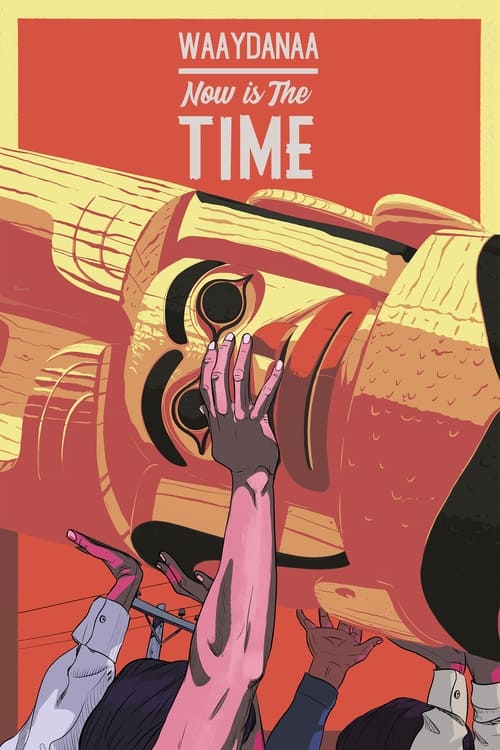
When internationally renowned Haida carver Robert Davidson was only 22 years old, he carved the first new totem pole on British Columbia’s Haida Gwaii in almost a century. On the 50th anniversary of the pole’s raising, Haida filmmaker Christopher Auchter steps easily through history to revisit that day in August 1969, when the entire village of Old Massett gathered to celebrate the event that would signal the rebirth of the Haida spirit.
To commemorate the Anniversary of the Unspunnen Fete of 1815, held at Unspunnen, near Interlaken. Order of the Procession : 1-Twenty-two girls in costume representing the Cantons, with Hevetia. 2-In the early days 3-- Kloster Procession 4-Unspunnen and Thun 5-The March of Time 6-Mountain and Winter Sports 7-Wood Carving and the Industry 8-Life on the Alp Land.

In the 50 years since he carved his first totem pole, Robert Davidson has come to be regarded as one of the world’s foremost modern artists. Charles Wilkinson (Haida Gwaii: On the Edge of the World) brings his trademark inquisitiveness and craftsmanship to this revealing portrait of an unassuming living legend. Weaving together engaging interviews with the artist, his offspring, and a host of admirers, Haida Modern extols the sweeping impact of both Davidson’s artwork and the legions it’s inspired.
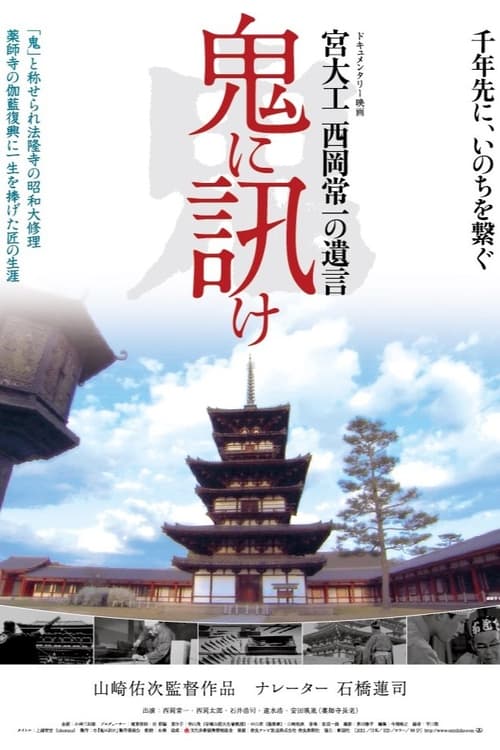
In-depth look at the twilight years, spent training apprentices, of temple builder Nishioka Tsunekazu, who was called the "devil" as he devoted his life to temple architecture. His insistence on the gargantuan timescale of linking life to the next millennium emerges from people who knew him. Remarkable as well for showing the unknown backstage of temple architecture. Nishioka, known as "the last temple carpenter," handled the major Showa-era repairs of Horyuji temple, and in 1990 was at the scene of the reconstruction work for Yakushi temple.