
Loading titles…
Drama
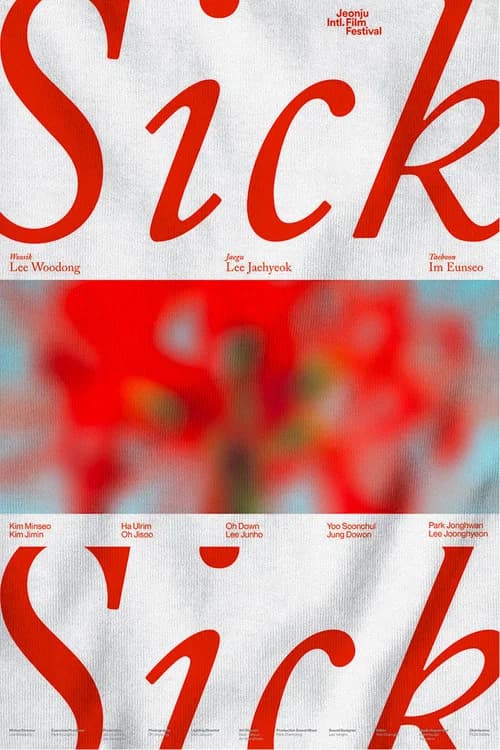
A general hospital in Gyeongsang-do in 1990. Woo-sik and Jae-gu are working at the hospital as a receptionist. One day, an AIDS patient enters the hospital. Woo-sik and Jae-gu are instructed to bring the bankbook and the young daughter, Tae-bun, from the home of the AIDS patient…

Woo-sik
Jae-gu
Tae-boon

Mi-young

Tae-boon's Father


Steven Russell leads a seemingly average life – an organ player in the local church, happily married to Debbie, and a member of the local police force. That is until he has a severe car accident that leads him to the ultimate epiphany: he’s gay and he’s going to live life to the fullest – even if he has to break the law to do it. Taking on an extravagant lifestyle, Steven turns to cons and fraud to make ends meet and is eventually sent to the State Penitentiary where he meets the love of his life, a sensitive, soft-spoken man named Phillip Morris. His devotion to freeing Phillip from jail and building the perfect life together prompts him to attempt (and often succeed at) one impossible con after another.


This early HIV/AIDS film uses the popular and compelling narrative format of the telenovela to illuminate the effects of AIDS on a cross-section ofthe Latino community in Northern California. Different families and individual characters address complex issues such as sexual practice, sexual identity, and drug use in the family. Touches upon safer sex, male homosexuality and bisexuality, and does well representing several Spanish-language idioms. Allows for the development of an elaborate story encouraging honesty and cultural survival as well as self-criticism within the Latino community.

Se Met Ko is a model fictional analysis of attitudes and misconceptions about AIDS within a Haitian-American neighbourhood. The video uses indigenous cultural references and socially-specific occasions to demonstrate how communities, with individuals acting in enlightened co-operation, can responsibly respond to the AIDS crisis.




Ananias, a San Francisco Bay Area artist and immigrant, performs the folkloric Danza de los Viejitos (the Dance of the Old Men). Originally from Michoacán, Mexico, where the dance originates, Ananias interprets its movements through the lens of his spirituality, his long-term HIV-related disabilities, and his search for a place in the world.


