


Loading titles…
Documentary
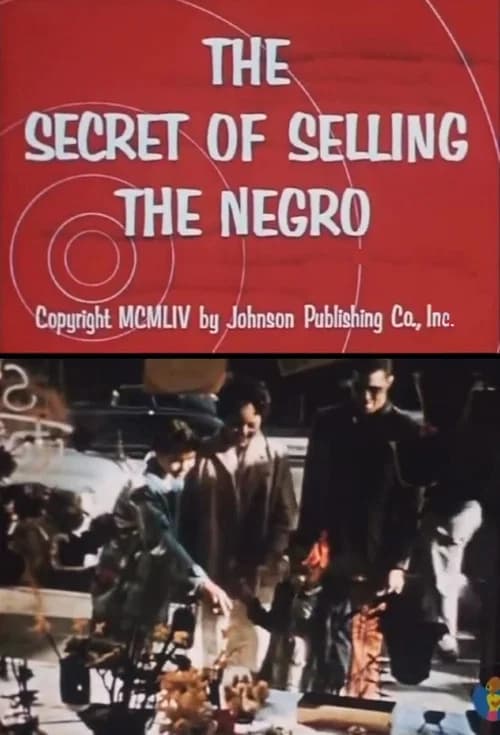
Film commissioned by the Chicago-based publisher of Negro Digest, Ebony, Tan, and Jet to encourage advertisers to reach out to African American consumers. The Secret of Selling the Negro depicts the lives, activities, and consumer behavior of African American professionals,…

Self - Host

Helvetica is a feature-length independent film about typography, graphic design and global visual culture. It looks at the proliferation of one typeface (which will celebrate its 50th birthday in 2007) as part of a larger conversation about the way type affects our lives. The film is an exploration of urban spaces in major cities and the type that inhabits them, and a fluid discussion with renowned designers about their work, the creative process, and the choices and aesthetics behind their use of type.


“This classic award-winning documentary is the first definitive treatment of the origins and rituals of the Black Mardi Gras Indians of New Orleans, It features two tribes: The Yellow Pocahontas led by Big Chief Allison “Tootie” Montana, and The White Eagles, led by Big Chief Gerald “Jake” Milon. The first part of the film reveals the sociocultural history of the Mardi Gras Indians, their costume prepartion, music, songs, dance and gatherings for a ritual practice. The second part is a sunrise to sunset visual account of the processions and street culture of the Black Indians on Mardi Gras Day. The film was screened for a full week in the New York Whitney Museum’s New Filmmakers Series. also was a finalist in the Cine Golden Eagle Awards and was screened at the Margaret Mead Film Festival. International festivals/screenings include: The Pompedeau Centre in Paris; London; Berlin; West Africa.”


A documentary exploring the birth, death and resurrection of illustrated movie poster art. Through interviews with a number of key art personalities from the 70s and 80s, as well as many modern, alternative poster artists, “Twenty-Four by Thirty-Six” aims to answer the question: What happened to the illustrated movie poster? Where did it disappear to, and why? In the mid 2000s, filling the void left behind by Hollywood’s abandonment of illustrated movie posters, independent artists and galleries began selling limited edition, screenprinted posters — a movement that has quickly exploded into a booming industry with prints selling out online in seconds, inspiring Hollywood studios to take notice of illustration in movie posters once more.

Funk legend Sly Stone disappeared from the limelight for more than 20 years. Musicians and the media tried to find the recluse but failed. In 2005 Willem Alkema started searching for Sly. Sly didn't want to be found or filmed, but Willem didn't give up and finally followed Sly in his first steps on stage in decades.
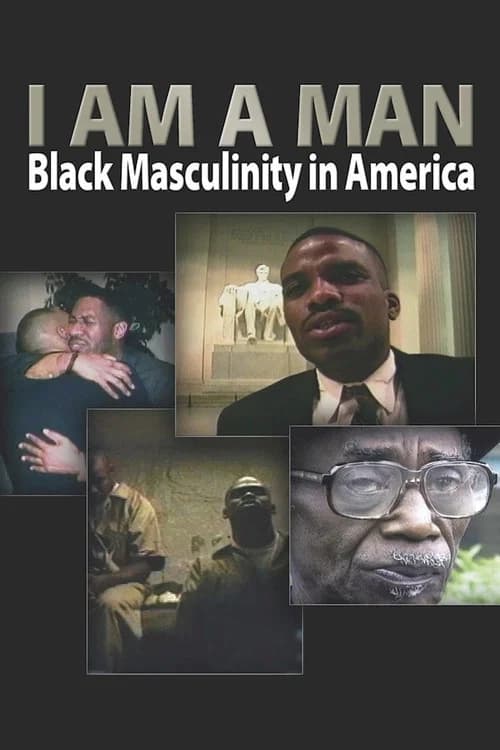
Award-winning filmmaker Byron Hurt explores what it means to be a Black man in America. Traveling to more than fifteen cities and towns across the country, Hurt gathers reflections on Black masculinity from men and women of a variety of socioeconomic backgrounds and a host of leading scholars and cultural critics. What results is an engaging and honest dialogue about race, gender, and identity in America. Features bell hooks, Michael Eric Dyson, John Henrick Clarke, Kevin Powell, Andrew Young, Dr. Alvin Poussaint, MC Hammer, Jackson Katz, and many others.

In his provocative 2021 book, The Devil You Know: A Black Power Manifesto, New York Times opinion columnist Charles M. Blow calls for a “reverse Great Migration” of African Americans from the North back to the South to upend today’s political power structures while reclaiming the land and culture they left behind. South to Black Power does more than illustrate Blow’s enlightening ideas; we journey through Blow’s personal story, from his childhood in Louisiana to his role as father to young adult children in New York City, showing us the hard-won truths behind his vision for the future.
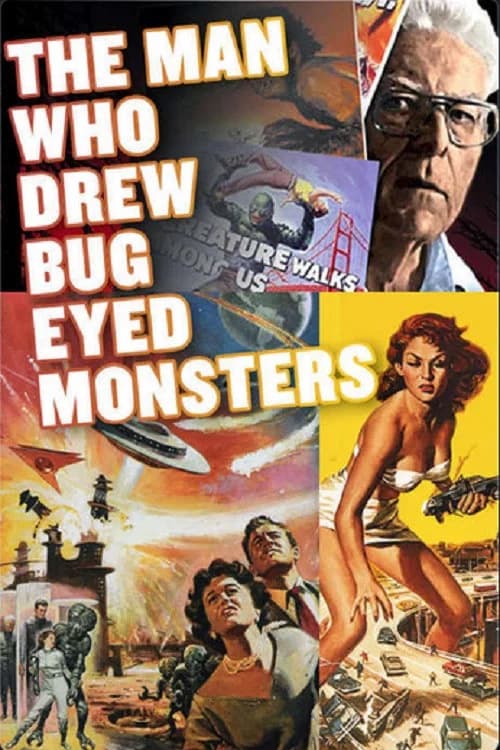
This documentary celebrates the work of illustrator Reynold Brown, whose colorful and compelling art graced over 300 movie posters during the 1950s and '60s, ranging from star-studded westerns and studio epics to sensational creature features and low-budget B-movies. Art historians, writers, and movie producers discuss Brown's art within the context of the post-war social climate and an ever-changing movie industry.