

Loading titles…
Self - Narrator
Self
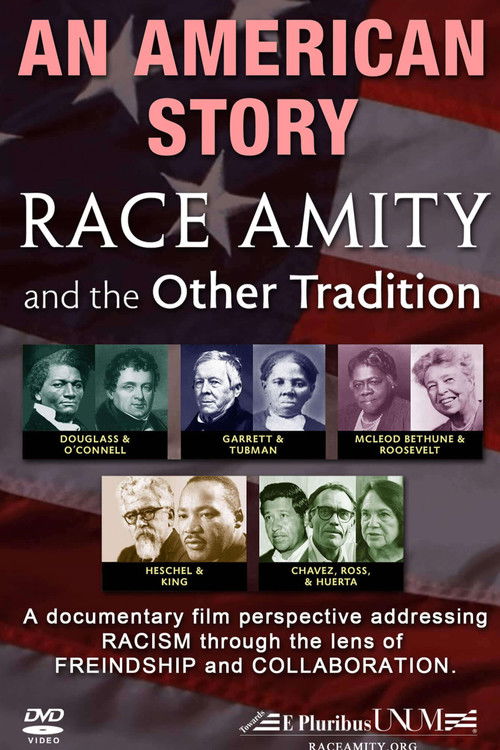
In contrast to the lens that focuses exclusively on the racist traditions that are rooted in America’s social history, the moral counterweight of close, loving, friendship and collaboration, which have always been present in our history, represents “the other tradition.” This “other tradition” is a source of inspiration and presents models of behavior that are instructional and include unknown and uncelebrated legacies to be absorbed and emulated across generations of present day Americans. The documentary discusses the “better in us” a needed collective perspective in the current climate of national disunity across racial, religious, and political lines. This has significant implications for addressing public issues from immigration to health care and the myriad of governmental, educational, business, and religious challenges that we must successfully meet to weave the fabric of unity which is indispensable to survival as a nation.
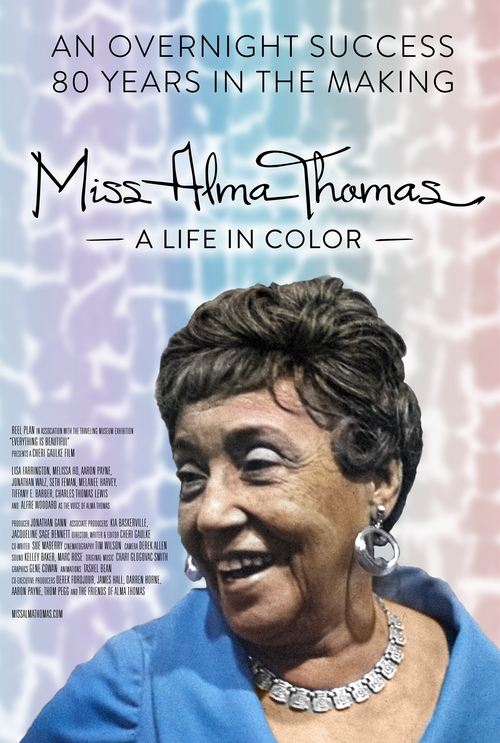
Alma W. Thomas lived a life of firsts: the first Fine Arts graduate of Howard University (1924), the first Black woman to mount a retrospective at the Whitney Museum of American Art (1972), and the first Black woman to have her paintings exhibited in the White House (2009). Yet she did not receive national attention until she was 80.
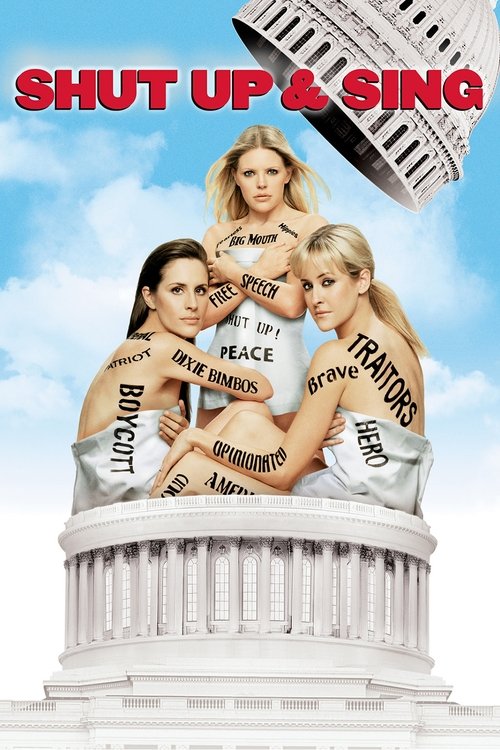
Shut Up and Sing is a documentary about the country band from Texas called the Dixie Chicks and how one tiny comment against President Bush dropped their number one hit off the charts and caused fans to hate them, destroy their CD’s, and protest at their concerts. A film about freedom of speech gone out of control and the three girls lives that were forever changed by a small anti-Bush comment

Based on A Few Days Full of Trouble by Reverend Wheeler Parker, Jr. and Christopher Benson, the feature doc will explore two parallel tracks of the Till story. One set in motion by the last four years of an FBI investigation with details never before revealed, including significant new revelations of the case and its discoveries. The traumatic memory of Parker Jr., last surviving witness to the crime and Till’s cousin, drives that investigation. The second track is a deep immersion into the latest, proprietary findings, as high schoolers prepare for a reenactment of the murder trial of two of Till’s killers, Roy Bryant and J.W. Milam.
"Last year in the summer, I was speaking to Kings-Lee Rose in my living room in Crown Heights, Brooklyn, about my transition. The drastic shift in social perception is quite destabilizing and ultimately isolating, because there aren't many people I can turn to who might have some understanding of what this shift could feel like. I'm 41, so the shift is drastic. Everything has changed, but everything is the same all at once. Kings-Lee then shared candidly his truth in his transition, and with his permission, I recorded the conversation. I took the recording and felt inspired to compose music around it. Over the course of a month, I used my iPhone to shoot slow-motion footage of my life on tour, as well as intimate moments with loved ones in my Queer and Trans community in Brooklyn..." - TYGAPAW
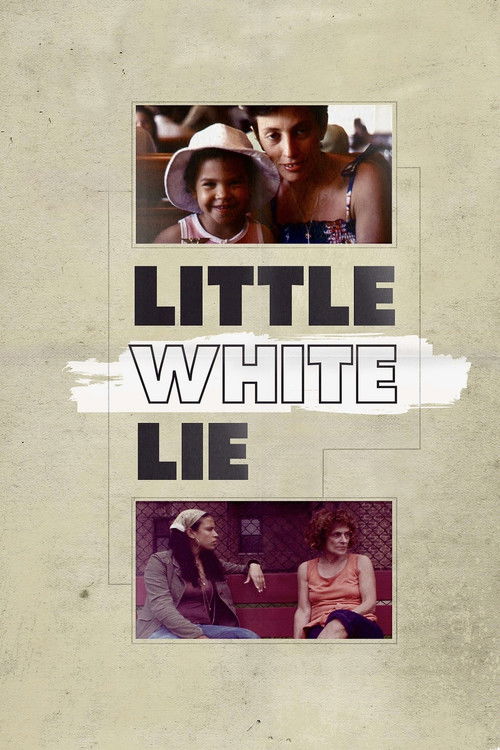
Lacey Schwartz grew up in a typical upper-middle-class Jewish household in Woodstock, NY, with loving parents and a strong sense of her Jewish identity - despite the open questions from those around her about how a white girl could have such dark skin. She believes her family's explanation that her looks were inherited from her dark-skinned Sicilian grandfather. But when her parents abruptly split, her gut starts to tell her something different. At age of 18, she finally confronts her mother and learns the truth: her biological father was not the man who raised her, but a black man named Rodney with whom her mother had had an affair.
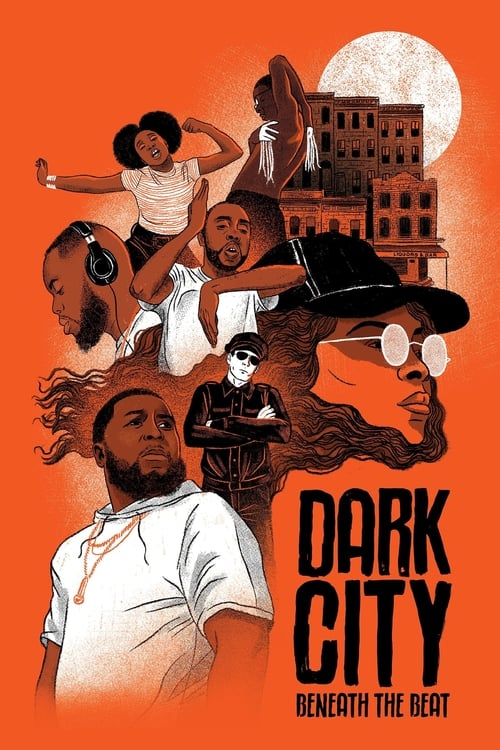
Rhythmic and raw, Dark City Beneath The Beat is a Baltimore club musical experience highlighting local Baltimore club artists, djs, dancers and producers pioneering the sound while rising above social and economic turmoil. Inspired by an original Baltimore club music soundtrack, Dark City Beneath The Beat showcases Baltimore club music as a positive subculture in a city overshadowed by trauma, drugs and violence.