Loading titles…
No cast information available.
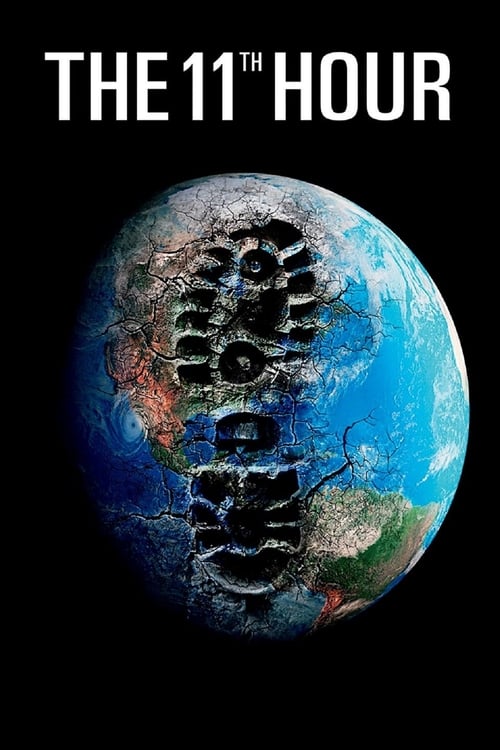
A look at the state of the global environment including visionary and practical solutions for restoring the planet's ecosystems. Featuring ongoing dialogues of experts from all over the world, including former Soviet Prime Minister Mikhail Gorbachev, renowned scientist Stephen Hawking, former head of the CIA R. James Woolse

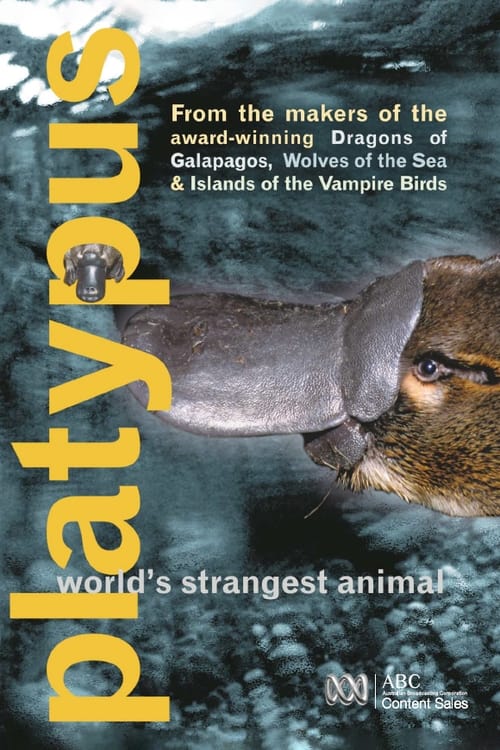
One of only two living mammals to lay eggs, the platypus has baffled and inspired the scientific community for hundreds of years. Three years in the making, this stunning natural history film takes us down the East Coast of Australia to the many serenely beautiful habitats of the platypus. Technology specially created for this film captures images from inside the nesting chamber of a wild platypus, and records the extraordinary sounds of the mother suckling her offspring. We watch as they grow from newborns to adulthood. Join renowned documentary makers David Parer and Elizabeth Parer-Cook (Dragons of Galapagos, Wolves of the Sea) on this fascinating journey from the rainforests of Queensland to the frozen mountains of Tasmania, as they reveal new insights into this mysterious creature.
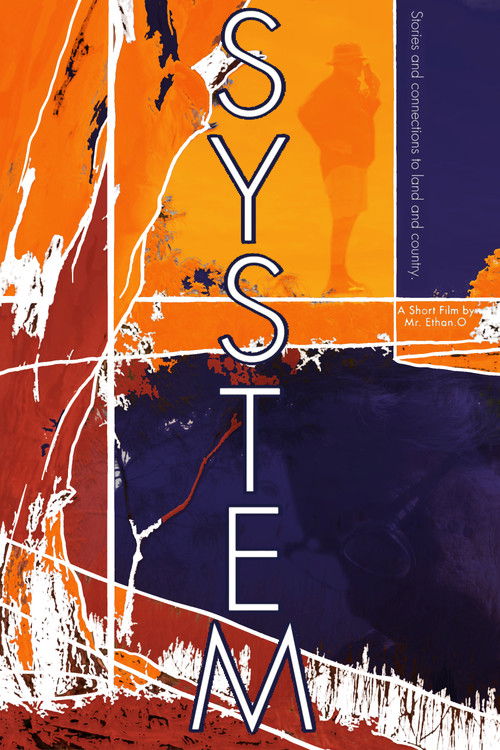
System (2025) is a short documentary film exploring intergenerational connections to land and country. Interviews with Aunty Denise Morgan Bulled, a Yorta Yorta Elder; John Toll and his family, fourth-generation farmers in Gunbower wetlands; and two Local 10 year olds, Harry and his friend Mac. The film reflects on how the river system shapes their daily lives, impacts their quality of life, and influences their passion for country.
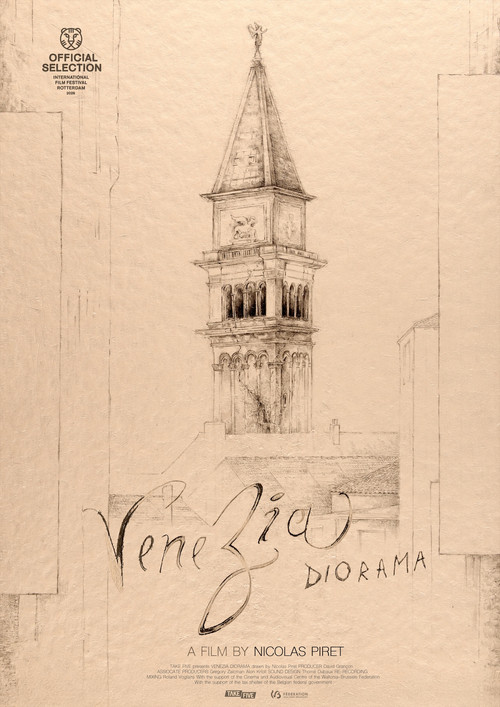
Through a series of animated art boards depicting a decaying Venice, the film unfolds like a set of postcards, capturing the mythical city's final moments of fragility. Blending archival footage with contemporary observations, and anchored by the story of the 1902 collapse of St Mark's Campanile, Venezia Diorama invites us to reflect on a city slowly eroding, yet suspended in time.
This astounding documentary delves into the mysteries of the Tunguska event – one of the largest cosmic disasters in the history of civilisation. At 7.15 am, on 30th June 1908, a giant fireball, as bright the sun, exploded in the sky over Tunguska in central Siberia. Its force was equivalent to twenty million tonnes of TNT, and a thousand times greater than that of the atomic bomb dropped on Hiroshima in 1945. An estimated sixty million trees were felled over an area of over two thousand square kilometres - an area over half the size of Rhode Island. If the explosion had occurred over London or Paris, hundreds of thousands of people would have been killed.