
Loading titles…
Se stesso
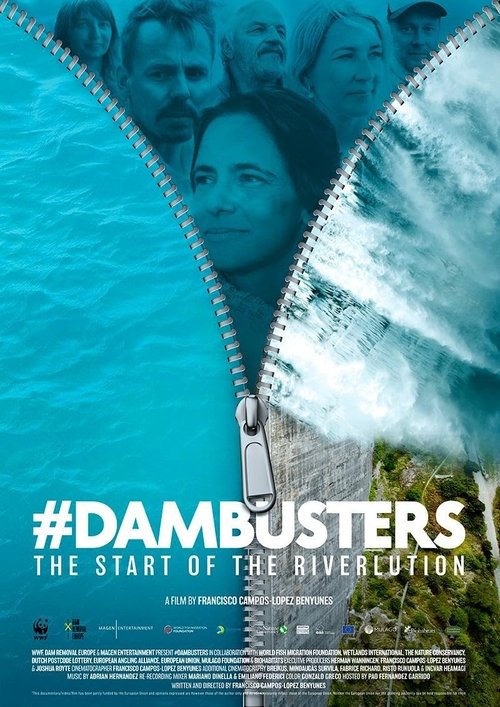
Who are the most inspiring individuals working tirelessly to restore rivers in Europe? We call them the “DamBusters”. Pao Fernández Garrido from the Dam Removal Europe coalition is on a mission: to see their work at their local rivers and share these exciting stories to inspire more river restorations. The film #DamBusters follows Pao’s journey through native Spain, France -the European cradle of river barrier removals-, Lithuania, Estonia and Finland. The most iconic river freeing cases so far, ready to impress you.
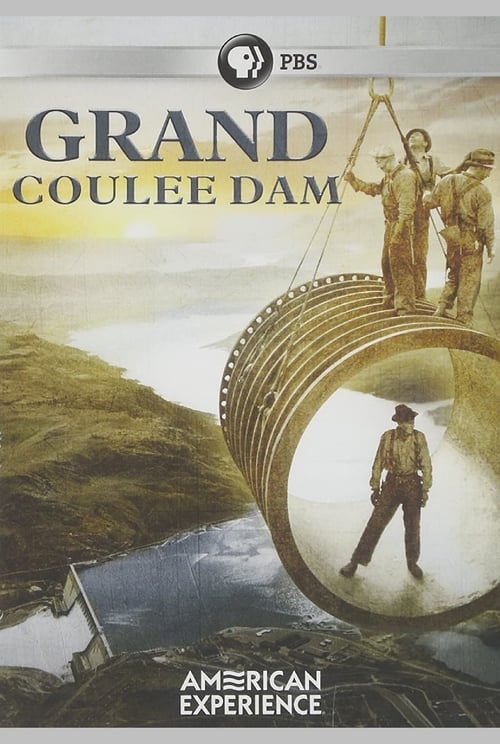
During the darkest days of the Depression when construction was started on Grand Coulee Dam, everything about it was described in superlatives. It would be the "Biggest Thing on Earth," the salvation of the common man, a dam and irrigation project that would make the desert bloom, a source of cheap power that would boost an entire region of the country. Of the many public works projects of the New Deal, Grand Coulee Dam loomed largest in America's imagination, promising to fulfill President Franklin Roosevelt's vision for a "planned promised land" where hard-working farm families would finally be free from the drought and dislocation caused by the elements.
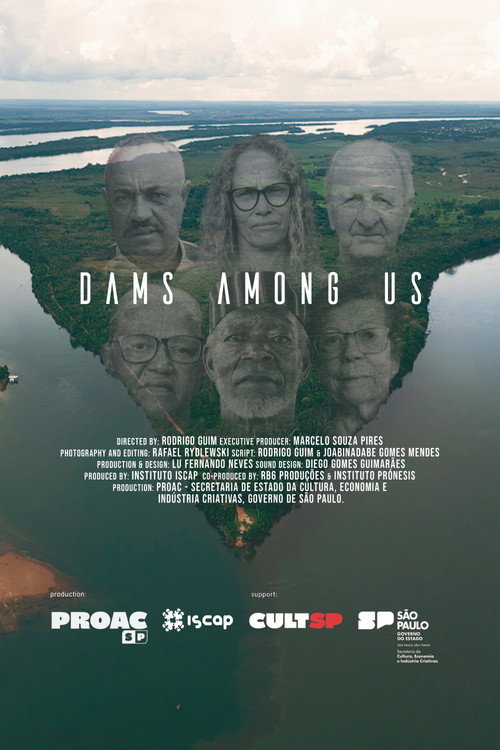
A village built where there once was a vast forest, a dam built over a mighty river, and the narrative of progress with its sociocultural and environmental contradictions. A story of a Brazil known as a "barrageiro (dam worker)", narrated by those who raised dams, cities and settlements, as well as by those who still protest for being ignored.
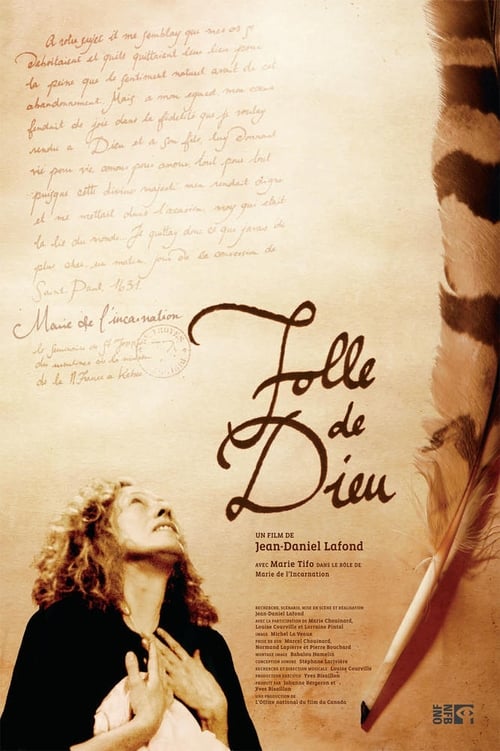
This feature-length film tells the story of the passion between Marie de l’Incarnation, a mid-seventeenth-century nun and God, her "divine spouse." Fusing documentary and acting by Marie Tifo, whom we follow as she rehearses for this demanding role, the film paints an astonishing portrait of this mystic who abandoned her son and left France to build a convent in Canada, where she became the first female writer in New France.
The life, the problems, the hopes of the ragazzi of the suburbs of Rome. Ignored by the city, these young men spontaneously express their vitality, their violence, their willingness to put themselves at risk. They are at the center of "Ragazzi di vita", the first novel by Pier Paolo Pasolini, author of the text of this documentary.
“The Corps: Keepers of the Spirit” is a feature-length documentary that tells the story of The Corps, from its rich history to its bright future. The Corps documentary captures an entire year on “The Quad” with unprecedented access to student life. From F.O.W. to Final Review, “The Corps: Keepers of the Spirit” dramatically reveals the cadet training process and the leaders it builds.
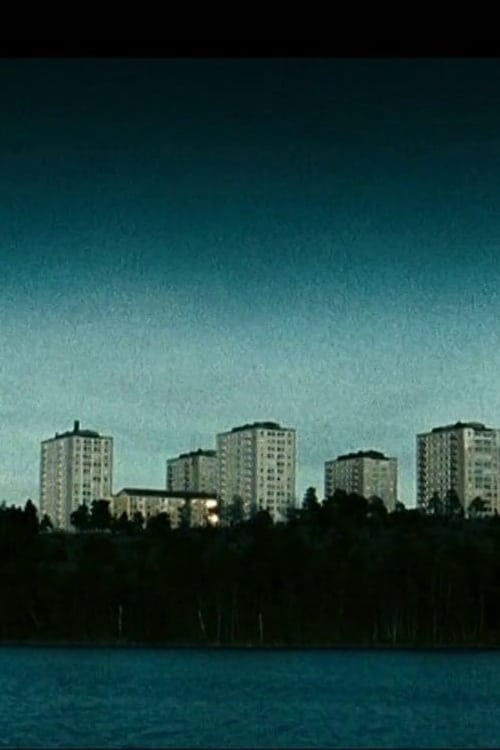
The film was made as a tribute to Latvia's centenary thanks to financial support from the Ministry of Culture. The story was created in the summer of 2017, following three young people of Latvian descent born in the US as they attempted to work and live in Latvia while participating in a summer internship program created by the American Latvian Association (ALA). The short documentary film offers a glimpse behind the scenes of a personal story - what is it like to move to Latvia when you have lived abroad until now? Imanta herself tells the story of her return to her grandparents' homeland through video and photo documentation in the short film. She has been living in Riga for seven years, where, after working as a teacher at "Iespējamā misija" (Mission Possible), she now works at a growing Latvian start-up and sings in the music group "Imanta Dimanta un draugi" (Imanta Dimanta and Friends).
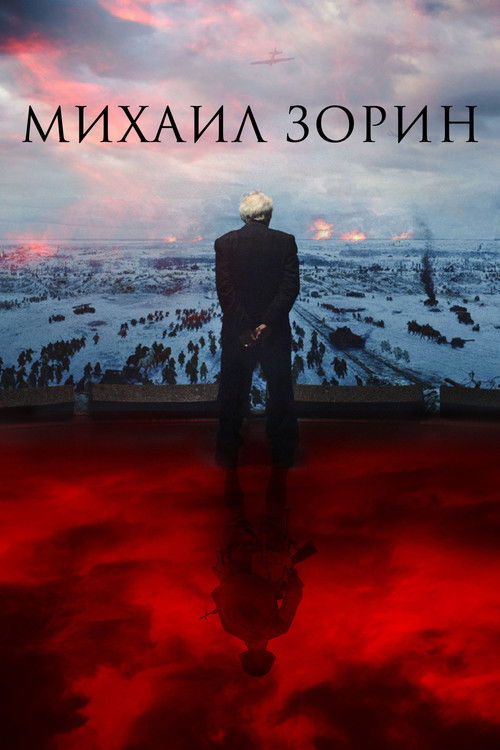
Mikhail Petrovich Zorin is the last surviving signalman of the first composition of the legendary 330th Infantry Regiment (86th Infantry Division), who heroically fought on the Nevsky Piglet during the defense of Leningrad during the Great Patriotic War. In April 1942, in the course of a powerful onslaught of the German group, almost all the soldiers who were at that time in the regiment's location were killed, and the wounded were taken prisoner. Mikhail Zorin survived thanks to a unique combination of circumstances.
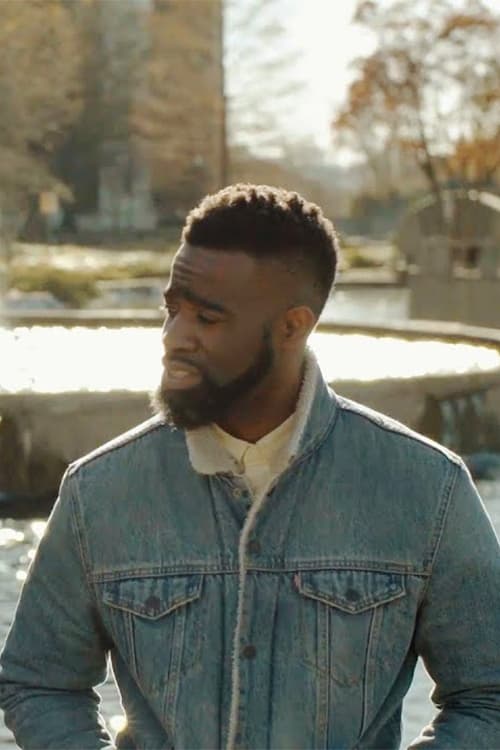
After massive protests followed the police shooting of a black man in 2016, the city of Charlotte took the unprecedented move of electing a majority-minority leadership. As they go into their second term, the new leadership's attempt at making their community more equitable for its black and brown community is coming up against 150 years of deep segregation and continued police shootings.