Loading titles…
Documentary
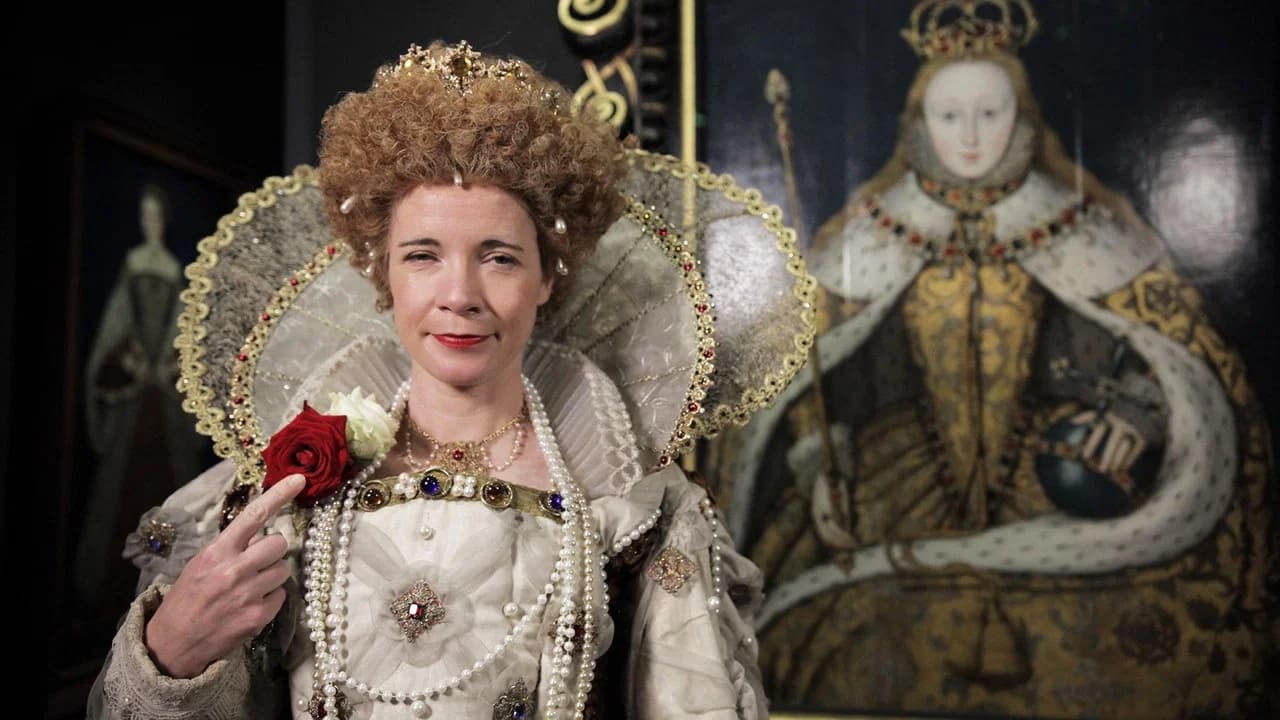
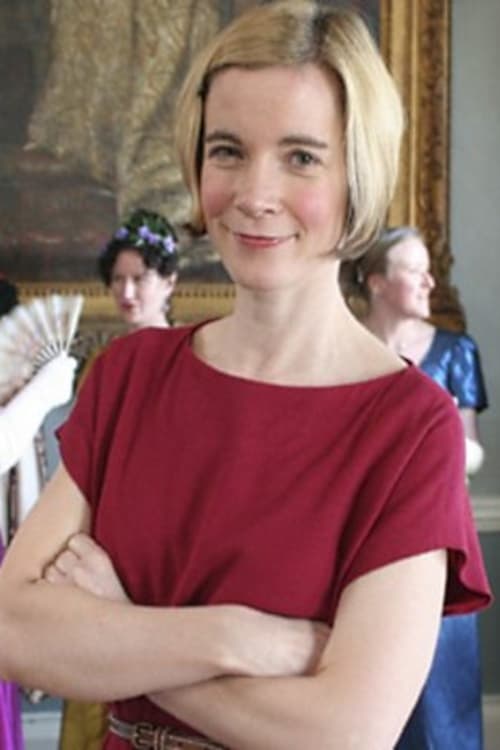
Lucy Worsley explores how British history is a concoction of fibs and stories manipulated by whoever was in power at the time.
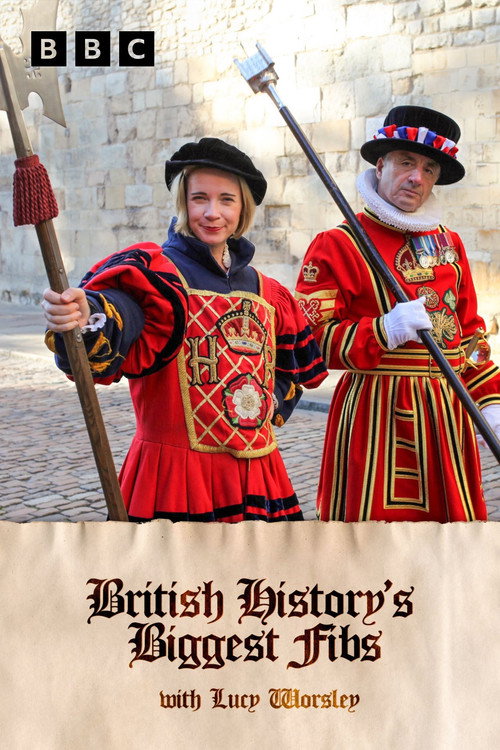
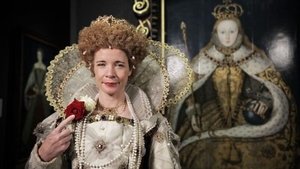
According to the history books, after 30 years of bloody battles between the white-rosed Yorkists and the red-rosed Lancastrians, Henry Tudor rid us of civil war and the evil king Richard III. But Lucy reveals how the Tudors invented the story of the 'Wars of the Roses' after they came to power to justify their rule. She shows how Henry and his historians fabricated the scale of the conflict, forged Richard's monstrous persona and even conjured up the image of competing roses. When our greatest storyteller William Shakespeare got in on the act and added his own spin, Tudor fiction was cemented as historical fact. Taking the story right up to date, with the discovery of Richard III's bones in a Leicester car park, Lucy discovers how 15th-century fibs remain as compelling as they were over 500 years ago. As one colleague tells Lucy: 'Never believe an historian!
In 1688, the British Isles were invaded by a huge army led by Dutch prince, William of Orange. With his English wife Mary he stole the throne from Mary's father, the Catholic King James II. This was the death knell for absolute royal power and laid the foundations of our constitutional monarchy. It was spun as a 'glorious and bloodless revolution'. But how 'glorious' was it really? It led to huge slaughter in Ireland and Scotland. Lucy reveals how the facts and fictions surrounding 1688 have shaped our national story ever since.
In the final episode, Lucy debunks the fibs that surround the 'jewel in the crown' of the British Empire - India. Travelling to Kolkata, she investigates how the Raj was created following a British government coup in 1858. After snatching control from the discredited East India Company, the new regime presented itself as a new kind of caring, sharing imperialism with Queen Victoria as its maternal Empress. Tyranny, greed and exploitation were to be things of the past. From the 'black hole of Calcutta' to the Indian 'mutiny', from East India Company governance to crown rule, and from Queen Victoria to Empress of India, Lucy reveals how this chapter of British history is another carefully edited narrative that's full of fibs.

Self - Presenter
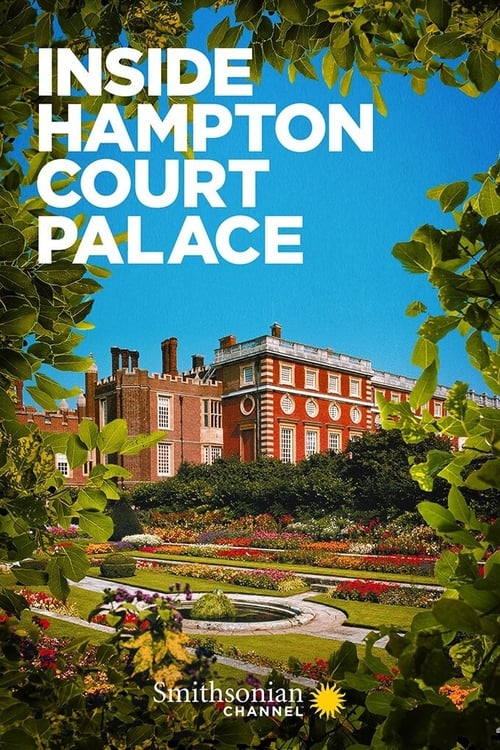
On the edge of London stands Hampton Court, one of Britain's biggest palaces and most popular tourist spots, attracting almost a million visitors every year. Spanning 750 acres of grounds, it boasts 1,300 rooms and 23 courtyards...along with a host of secrets and historic stories. This two-part special provides an exclusive and intimate look at life inside the court today for the people keeping Henry VIII's world alive in the modern age, and also explores what life was like in the palace where the private world of the Tudors began.
In four chapters, largely based on and illustrated with archaeological finds and sites, Neil Oliver explains how, as far as is known, the Iron Age Celtic tribes known as the Ancient Britains evolved and entered European civilization. Their internecine tribal phase was warlike and partitioned. Overseas contacts, especially metal trade, brought wealth and progress. Ultimately, it attracted the superior Roman empire, which would conquer and pacify Britain into a province, like Gaul shortly before, but Caesar's invasion wasn't the definitive annexation yet, that was left to emperor Claudius; even afterward some Celtic traits and even rebellions remained.

In this four-part documentary series, leading Hollywood actors undertake a fascinating journey into their family's past by re-tracing the footsteps of their grandparents during World War Two. We follow the moving, personal stories of Helena Bonham Carter, Mark Rylance, Kristin Scott Thomas, and Carey Mulligan as they travel to historic locations, from the beaches of Dunkirk to prisoner of war camps in Asia, to learn about the war their grandparents experienced. All of the actors have unanswered questions about the scars war left on their grandparents, and in each episode one of the actors explore how six years changed the lives of their family and the world forever while learning about the life and death decisions that their grandparents faced.
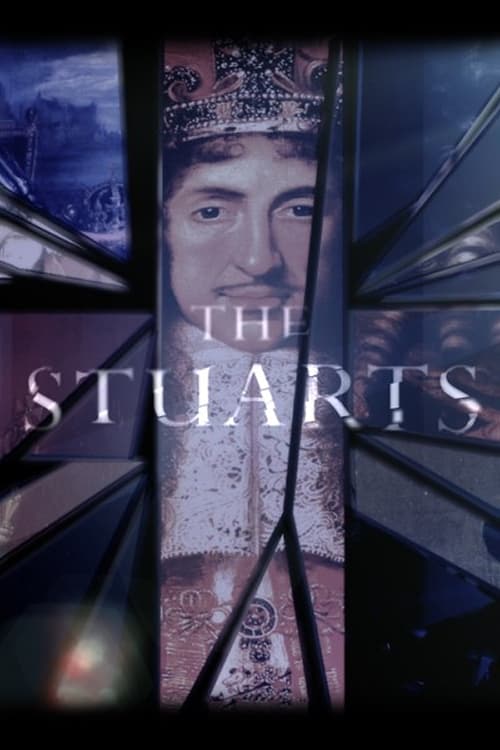
Dr Clare Jackson tells the story of The Stuarts in Exile and sheds new light on the political, military and cultural threat the Jacobite's posed to the embryonic British state. Although the '15' ultimately failed, it crystallised the stark choice facing those living in early 18th-century Britain. Are you for the Stuarts or are you for Hanoverian's?
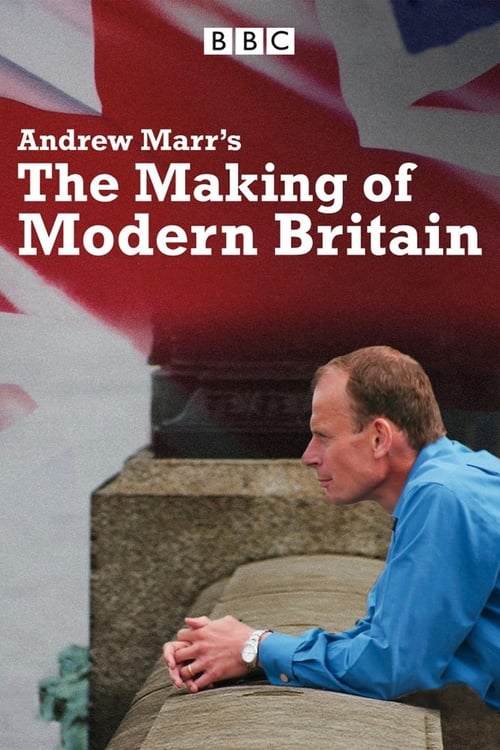
Andrew Marr's The Making of Modern Britain is a 2009 BBC documentary television series presented by Andrew Marr that covers the period of British history from the death of Queen Victoria to the end of the Second World War. It was a follow-up to his 2007 series Andrew Marr's History of Modern Britain.