Loading titles…
Documentary / War & Politics
Explores the Third Reich from a contemporary perspective to investigate how the Nazis managed to conquer Germany and then half of Europe in the wake of World War I.


At the beginning there is the promise of old greatness and new order, at the end there is the murder of millions. What lies in between is a warning from history.

In 1923, the NSDAP had grown to 55,000 members, and its party leader, Adolf Hitler, was portraying himself as the strong man of the right-wing extremist scene. But what was he up to?
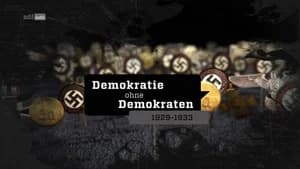
At the end of the 1920s, the "rural people's movement" protested against social decline. The protest became a radical movement, whose anger was exploited by Hitler and the NSDAP.

As soon as he took office, Chancellor Adolf Hitler dropped his mask and nipped any opposition in the bud. In less than two years, he turned Germany into a dictatorship.

Hitler's aggressively anti-Semitic policy is supported by millions of Germans. Jews are discriminated against, deprived of their rights and persecuted in plain sight.

On September 1, 1939, German troops invade Poland. SS men follow behind them with orders to murder the Polish intelligentsia. Thousands fall victim to them.
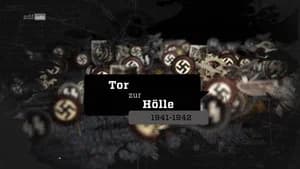
On June 22, 1941, Hitler's army attacks the Soviet Union. In the shadow of the war, Germans commit mass murder against the Jewish population.
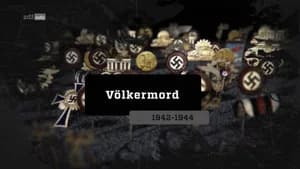
In occupied Poland, "Operation Reinhardt" begins in 1942. Within a few months, the Germans murder more than two million Jews in camps that serve only one purpose: mass murder.

The defeat at Stalingrad in 1943 was the turning point in the war. While the Gestapo nipped any resistance in the bud, the death marches back to the Reich began in 1944.
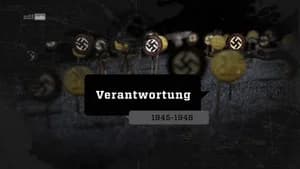
The Second World War ended in 1945, but the violence continued. Survivors and victors wanted to hold the Germans accountable. But who is to blame?

Narrator (German version)


Based on real characters and events, this haunting drama focuses on the personal sacrifice of a Prague history student, Jan Palach, who set himself on fire in protest against the Soviet occupation of Czechoslovakia in 1969. Dagmar Burešová, a young female lawyer, became part of his legacy by defending Jan's family in a trial against the communist government, a regime which tried to dishonour Palach’s sacrifice, a heroic action for the freedom of Czechoslovakia.

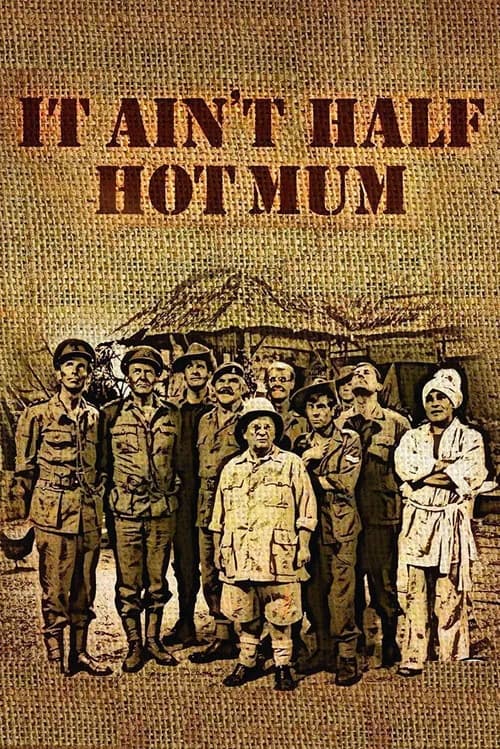
In 1945, during the final months of the Second World War, a group of soldiers perform for the Royal Artillery concert party, with comic acts and musical numbers for others prior to their departure for the frontlines. The party avoids partaking in combat duty; thus, the soldiers love being part of the outfit. Some even daydream of becoming world-famous actors when they leave the army.