Loading titles…
War & Politics / Documentary
Stories about the impact of World War I around the regions.
Shocking stories of the World War One Hampshire hospital doctors who faked footage on cures for shell shock. Author Philip Hoare examines the evidence and reveals some other real life human tragedies at the Royal Victoria Hospital in Netley. (Version 1 of the Episode with BBC PID b045gjhm )
Brothers Laurence and Egbert Cadbury saw plenty of action during the First World War, but only one of them was a fighter. Former world champion boxer Richie Woodhall investigates the untold story of the chocolate king's sons, a tale full of conflict and conscience.
Chris Jackson follows a community project creating a unique picture of the impact of conflict on those living and working on Tyneside with rarely seen footage. Chris hears that Tyneside bore not just physical but deep emotional scars from World War I.
Shocking stories of the World War I Hampshire hospital doctors who faked footage on cures for shellshock. Author Philip Hoare examines the evidence and reveals some other real-life human tragedies at the Royal Victoria Hospital in Netley. (Version 2 of the Episode with BBC PID b04gkn55 )
Saul David follows the story of hundreds of thousands of animals prepared in the West Country for the frontline. From cavalry horses to mules, he rediscovers the lost camps set up to train the animals, what life in them was like and the changes they made to society as a whole.
How the war was won at home. Kate Adie tells the story of the women and men who produced the millions of shells needed for trench warfare. They worked at factories susceptible to explosions from a single spark, with catastrophic consequences. Included is unique film footage found in a garden shed and unseen for a century.
A century after the start of the First World War, Louise Minchin reveals the story of Dunham Massey stately home in Cheshire which was turned into a military hospital for injured Tommies.
Writer Anthony Horowitz learns how Folkestone became a hotbed of espionage and discovers the men, women and children who risked their lives operating as spooks during the First World War.
Miranda Krestovnikoff examines the role of east coast fishermen in World War I and in particular finds out about the Grimsby trawler captain who left a zeppelin crew to die and was accused by the Germans of being a war criminal.
Historian and aerial specialist Ben Robinson takes to the skies to trace the first air attacks on Britain by the Zeppelin. For the first time civilians were the targets. From Norfolk to London, Ben investigates how the Germany's aim, to intimidate the population and bring swift victory, failed. The story is brought to life by Ben's aerial perspective, archive film, expert analysis, specially-commissioned 3D graphics, and first person accounts, including that of a 102-year-old lady who still remembers the attacks. In his helicopter, Ben flies the route the Zeppelin took for one of its most devastating raids, giving a fresh view of the events of 100 years ago.
Rugby world cup winner Josh Lewsey tells the story of the ultimate sacrifice made by rugby and football players during the First World War, and how they shaped the game as we know it today. To commemorate those who lost their lives, he dons his boots one more time to play a centenary rugby match.
Historian Professor Jean Seaton uncovers the story of industrial conflict in Devon during World War One.
No cast information available.

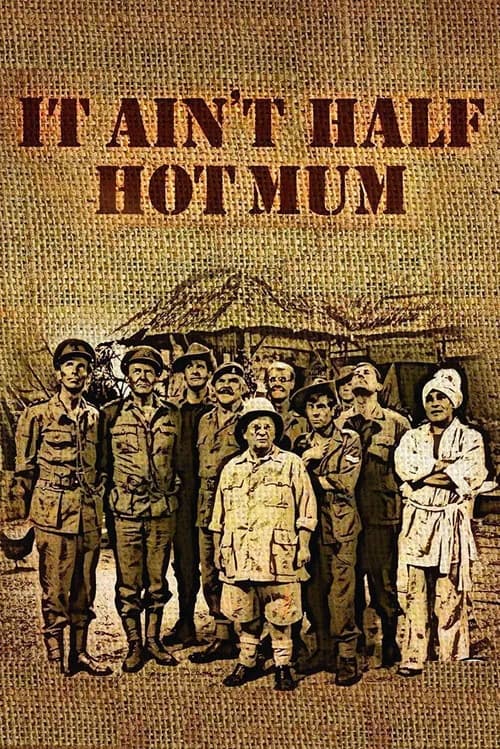
In 1945, during the final months of the Second World War, a group of soldiers perform for the Royal Artillery concert party, with comic acts and musical numbers for others prior to their departure for the frontlines. The party avoids partaking in combat duty; thus, the soldiers love being part of the outfit. Some even daydream of becoming world-famous actors when they leave the army.
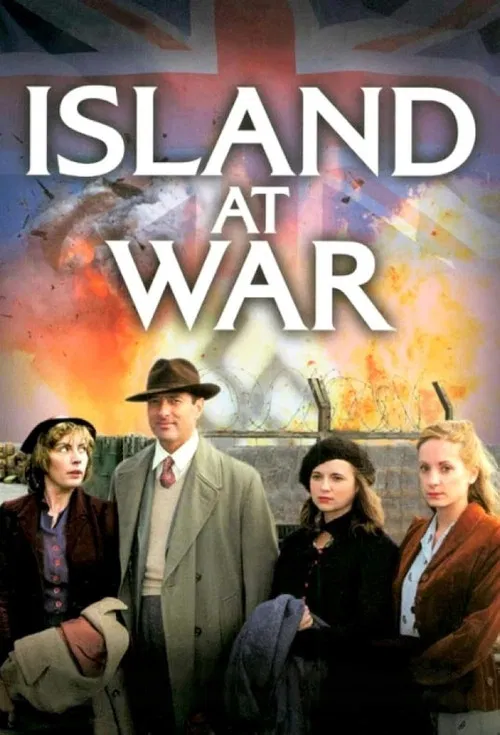
Island at War is a British television series that tells the story of the German Occupation of the Channel Islands. It primarily focuses on three local families: the upper class Dorrs, the middle class Mahys and the working class Jonases, and four German officers. The fictional island of St. Gregory serves as a stand-in for the real-life islands Jersey and Guernsey, and the story is compiled from the events on both islands. Produced by Granada Television in Manchester, Island at War had an estimated budget of £9,000,000 and was filmed on location in the Isle of Man from August 2003 to October 2003. When the series was shown in the UK, it appeared in six 70-minute episodes.


Over the past 60 years Britain's Special Air Service regiment has carried out a wide variety of clandestine missions - from deep-penetration raiding to hostage release operations - which have made it respected and feared for its professionalism and daring. The SAS prides itself on doing its work in the shadows, never allowing any publicity and never claiming credit for any of its extraordinary achievements. But, over the years, sufficient information has emerged for a picture of the regiment's exploits to be clear. This series uses interviews with former members of the SAS; detailed and painstaking reconstructions; and cutting edge 3-D graphics to recreate seven great missions which show why the SAS is today regarded as the world's leading special forces unit.
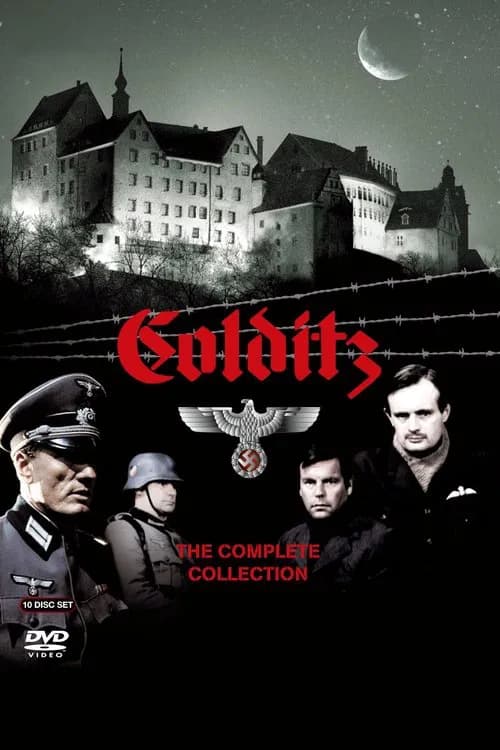
Colditz is a British television series co-produced by the BBC and Universal Studios and screened between 1972 and 1974. The series deals with Allied prisoners of war imprisoned at the supposedly escape-proof Colditz Castle when designated Oflag IV-C during World War II, and their many attempts to escape captivity, as well as the relationships formed between the various nationalities and their German captors.


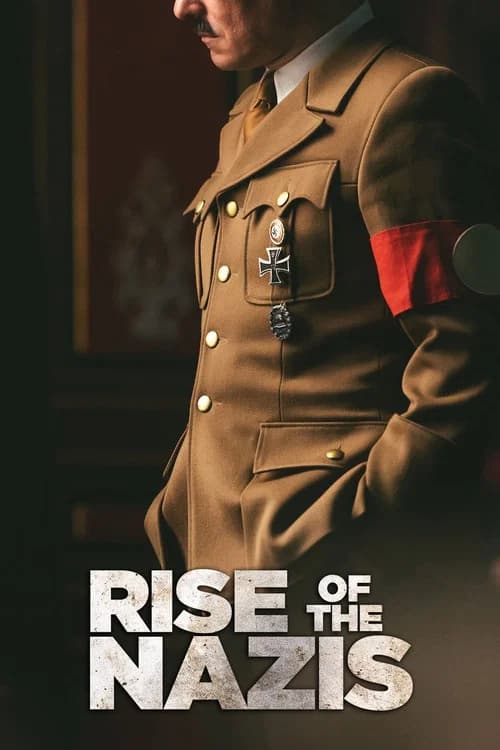
How did 20th Century Europe's most liberal democracy fall into the hands of fascists? From Hitler's political scheming that turned Germany's parliament into a House of Cards, his War on Truth leading to book burning, and his scapegoating of minorities, this series explores in extraordinary detail the events leading up to the outbreak of World War II.